
10-Day Ceasefire Takes Effect in Lebanon as Trump Says Iran Deal Is Close
Zero Signal Staff
Published April 16, 2026 at 8:38 PM ET · 183 days ago
AP News
A 10-day ceasefire between Israel and Hezbollah in Lebanon went into effect on April 17, 2026, providing a temporary halt to hostilities.
A 10-day ceasefire between Israel and Hezbollah in Lebanon went into effect on April 17, 2026, providing a temporary halt to hostilities. US President Donald Trump expressed confidence that a broader deal with Tehran is imminent, with additional talks potentially occurring this weekend. The truce comes after weeks of escalating violence that has left thousands dead in Lebanon.
The Details
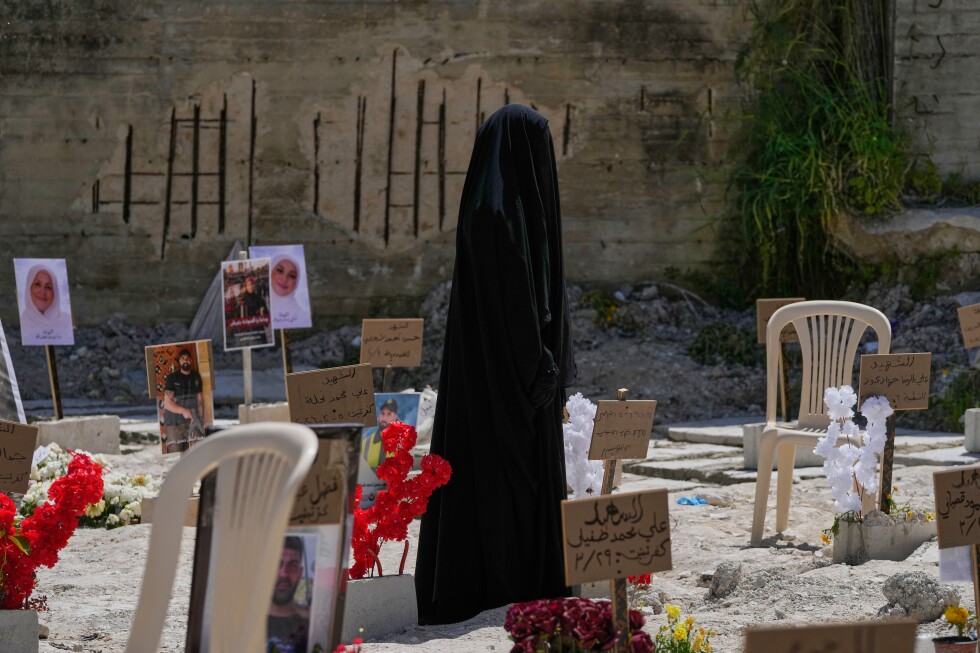
The agreement establishes a fragile window of peace, though both primary combatants maintain strict conditions. Israeli Prime Minister Benjamin Netanyahu confirmed the ceasefire but stated that Israeli forces will not withdraw from their positions in southern Lebanon. This posture is supported by a US State Department memorandum of understanding, which preserves Israel's right to take all necessary measures in self-defense during the truce period.\n\nHezbollah has indicated it will abide by the agreement provided Israel ceases its attacks, while reserving the right to respond to any further aggression. To enforce the current boundaries, the Israeli military has warned residents of southern Lebanon against moving south of the Litani River, where Israeli forces remain deployed.\n\nPresident Trump has taken an active role in the diplomatic push, urging Hezbollah via a Truth Social post to 'act nicely' to ensure a peaceful period. He suggested that a high-level meeting between representatives from Israel and Lebanon could take place at the White House within the next two weeks.\n\nThe human cost of the conflict remains severe. According to Lebanon's National News Agency, the death toll from Israeli attacks reached 2,196 as of April 16. The International Rescue Committee described the truce as a 'long-overdue reprieve' that offers a critical, albeit narrow, opportunity for humanitarian aid to reach affected civilians.\n\nWhile the ceasefire is in effect, US military readiness remains high. US officials stated that troops in the Middle East are currently 'rearming' and are prepared to resume combat operations if negotiations with Iran fail. The United States continues to maintain a naval blockade in the region as a strategic lever.
Context
The Lebanon ceasefire is the latest development in a volatile diplomatic cycle that began on April 7, 2026, when the US and Iran agreed to a two-week ceasefire. That initial agreement, brokered by Pakistan in Islamabad, narrowly averted a deadline set by President Trump to launch massive strikes on Iranian infrastructure. However, that peace was immediately strained when Israel launched airstrikes on Lebanon on the same day, leading Iran to claim the terms had been violated.\n\nDisputes over whether Lebanon was included in the original April 7 agreement created a diplomatic rift. While Iranian and Pakistani mediators claimed Lebanon was part of the deal, the US and Israel maintained it was excluded because of Hezbollah's involvement. This current 10-day truce appears to be a separate agreement designed to address the specific conflict in Lebanon.\n\nBroader regional tensions have been exacerbated by Iran's blockade of the Strait of Hormuz, which caused global oil prices to spike above $100 per barrel before the initial US-Iran truce. China and Pakistan have both emerged as key mediators in the effort to stabilize the region and prevent a full-scale continental war.
What's Next
The immediate focus shifts to the viability of the 10-day window. If the truce holds, the promised White House meeting between Israeli and Lebanese representatives could provide a pathway toward a more permanent resolution. However, Vice President JD Vance has cautioned that the current arrangement remains a 'fragile truce,' suggesting that any perceived breach could lead to a rapid return to combat.\n\nAttention is also centered on the upcoming weekend, where President Trump believes another round of talks with Tehran could occur. These negotiations are expected to address the core issues of the US-Iran relationship, including sanctions relief and nuclear terms.\n\nWhether these talks occur in Islamabad or elsewhere remains undecided. The outcome of these negotiations will likely determine if the US maintains its naval blockade or if a comprehensive regional deal is reached, potentially stabilizing global energy markets and permanently ending the hostilities in Lebanon.
Never Miss a Signal
Get the latest breaking news and daily briefings from Zero Signal News directly to your inbox.