2020 Memo Details Venezuela's $400 Million Bid for Iranian Ballistic Missiles
Zero Signal Staff
Published April 10, 2026 at 2:38 AM ET · 1 day ago
Politico
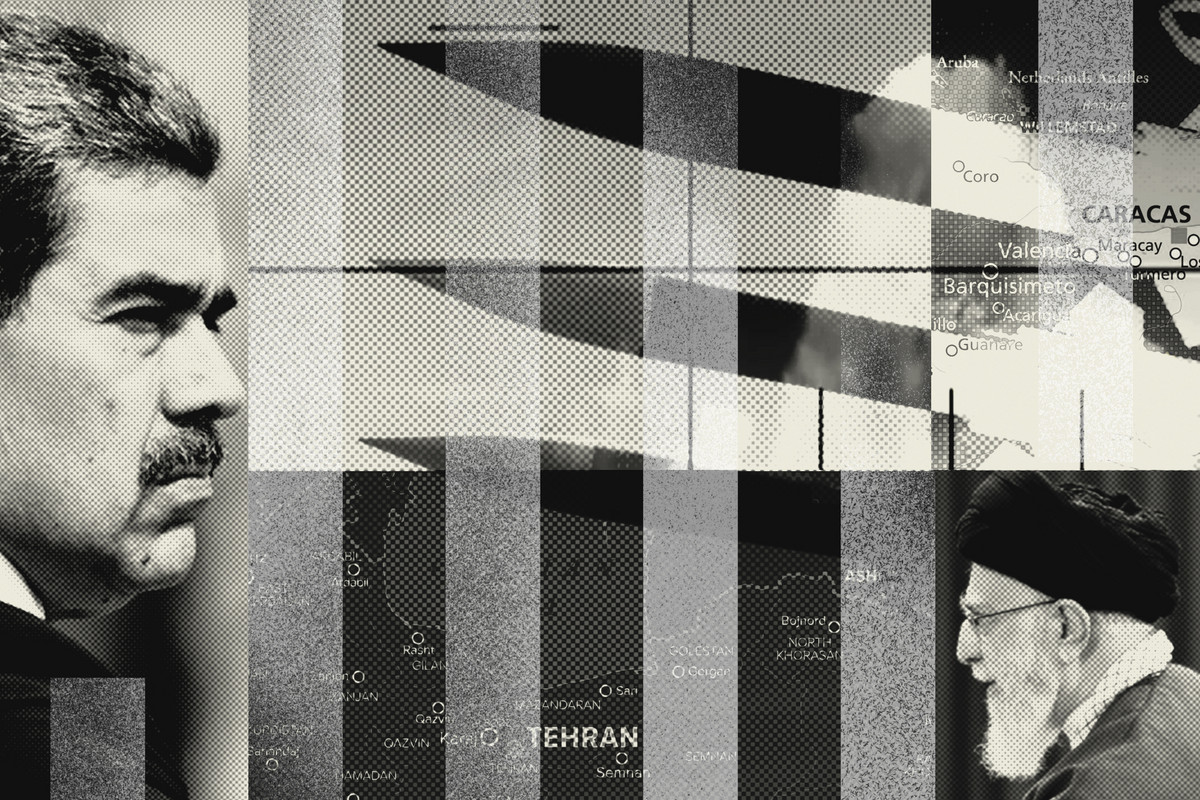
A declassified Venezuelan Defense Ministry memo from January 17, 2020, reveals that the Nicolás Maduro government allocated funds to purchase a ballistic missile system from Iran valued at more than $400 million, according to two people familiar...
A declassified Venezuelan Defense Ministry memo from January 17, 2020, reveals that the Nicolás Maduro government allocated funds to purchase a ballistic missile system from Iran valued at more than $400 million, according to two people familiar with internal administrative documents. The memo, which outlined financing mechanisms and operational deployment plans, provides the first documentary evidence that Venezuela's pursuit of Iranian weapons systems progressed further than previously acknowledged.
The memo specified how Venezuela's government planned to funnel money through state-owned companies to complete the purchase and detailed that the missile system would be operated from platforms on Venezuelan naval vessels. Two sources granted anonymity to discuss sensitive Venezuelan government information provided the document's contents to Politico; the memo was approved by Venezuela's then-defense minister.
Elliott Abrams, who served as President Donald Trump's special representative for Iran and Venezuela during the first Trump administration, confirmed that the U.S. was aware of discussions between Caracas and Tehran about acquiring ballistic missiles. "We conveyed that that was not acceptable," Abrams said, adding that Venezuela's efforts eventually stopped under American pressure. Abrams stated he was not aware of the January 2020 memo detailing a specific purchase plan.
The transaction never materialized. In August 2020, seven months after the memo's date, Maduro stated in a televised broadcast that buying missiles from Iran "had not occurred to us," though he called it "a good idea." Analysts cited Venezuela's economic deterioration and the high diplomatic cost of antagonizing the U.S. as factors that likely prevented the purchase from proceeding.
The White House and State Department declined to comment on whether the first Trump administration was aware of the January 2020 document. Venezuela's government missions to the United Nations and its Washington embassy did not respond to requests for comment.
Context
Venezuela and Iran have maintained diplomatic and military ties for over two decades. The relationship intensified under Hugo Chávez, who deliberately strengthened Venezuela's connections to U.S. adversaries as part of his foreign policy strategy. Iran has previously supplied Venezuela with weaponry, including drone systems, according to U.S. officials.
The Venezuela-Iran relationship has taken on heightened significance following the Trump administration's military action to remove Maduro from power in January 2026. Secretary of State Marco Rubio stated in January that Maduro's removal would prevent Venezuela from "cozying up to Hezbollah and Iran in our own hemisphere." Interior Secretary Doug Burgum argued in March that Venezuela posed a direct threat to the U.S. specifically because of its military ties with Iran, suggesting the administration cited these connections as part of its justification for military intervention.
What's Next
The emergence of this memo complicates the historical record of U.S.-Venezuela relations during the first Trump administration and raises questions about what other classified documents may detail the scope of Iran-Venezuela military cooperation. The current Trump administration has signaled that preventing Iranian influence in the Western Hemisphere remains a central policy objective, with officials invoking Venezuela's former ties to Tehran as ongoing justification for the military action that removed Maduro.
Never Miss a Signal
Get the latest breaking news and daily briefings from Zero Signal News directly to your inbox.