
AI Enthusiasm Is Keeping Markets Afloat Even as Iran War Rattles Energy Prices
Zero Signal Staff
Published May 12, 2026 at 9:15 AM ET · 153 days ago
Bloomberg Tech
Global equity indexes have climbed to record levels in recent weeks, driven by artificial-intelligence investment enthusiasm that is overshadowing volatility in energy markets caused by the war in Iran, according to market observers at Bloomberg and
Global equity indexes have climbed to record levels in recent weeks, driven by artificial-intelligence investment enthusiasm that is overshadowing volatility in energy markets caused by the war in Iran, according to market observers at Bloomberg and CNN.
The Details
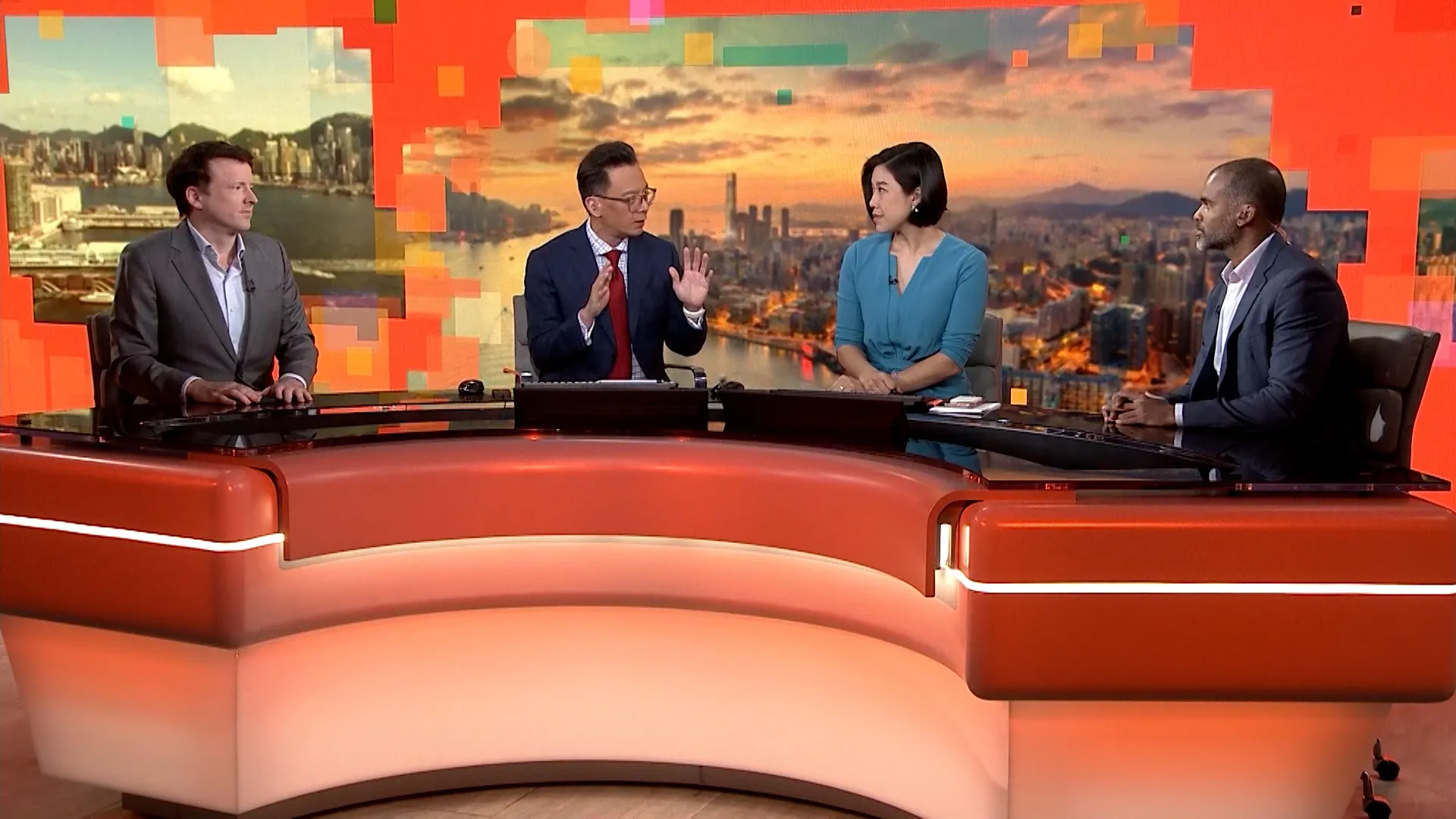
Bloomberg Markets Live Executive Editor Mark Cudmore and Bloomberg TV Markets Producer Anthony Stephens said global equities have rallied to record levels, fueled by artificial-intelligence enthusiasm even as the Iran war keeps energy markets volatile, according to a Yahoo Finance mirror of the Bloomberg Tech segment published on May 12. Yahoo Finance's description of the mirrored video said investors' risk appetite has held up despite volatility in energy markets caused by the war in Iran, while the segment examined why AI-driven demand is commanding more investor attention than geopolitical risks in the Middle East.
CNN reported on May 7 that stock indexes in Taiwan, South Korea, Japan, the S&P 500, and the Nasdaq have all hit fresh records. The enthusiasm in Asian and U.S. markets is largely thanks to the global AI boom, which has overshadowed some risks from the war with Iran, according to CNN's reporting. The record-breaking performance across multiple regions points to a broad international appetite for AI-linked assets.
Daniel Skelly, Morgan Stanley wealth management market research commentator, told CNN that different regions have different potential tailwinds. He added that like the U.S., much of Asia is poised to benefit from the AI capital-expenditure cycle. His comments were part of Morgan Stanley's broader market research distributed to clients.
Business Insider reported on April 28 that Bank of America economist Aditya Bhave said long-term inflation expectations have remained remarkably benign through tariffs and the Iran war. In a research note cited by Business Insider, Bhave explained: "We think this is because markets are anticipating a disinflationary AI productivity boom in coming years." His analysis suggests that investors are looking past near-term price pressures and focusing on the potential for AI-driven efficiency gains to lower costs over time.
Business Insider also reported that West Texas Intermediate crude was trading around $100 per barrel and Brent crude climbed to $111.40, even while investors increasingly acted as if the Iran conflict was behind them. The publication noted that near-term inflation concerns from the Iran conflict could still complicate the Federal Reserve outlook.
Context
The Bloomberg segment is part of a broader pattern of market commentary that has emerged in recent weeks as major indexes across Asia and the United States have set new highs. CNN's May 7 reporting framed the same broad market theme around Asian and U.S. indexes hitting records because AI and semiconductor demand are overwhelming war-related oil concerns.
Business Insider tied the market reaction to AI-driven disinflation expectations and warned that near-term inflation concerns from the Iran conflict could still complicate the Federal Reserve outlook. The publication noted that while markets may be pricing in long-term productivity gains from AI, the immediate geopolitical risk remains present.
The Yahoo Finance description of the Bloomberg segment corroborates the central theme: investors' risk appetite has held up despite volatility in energy markets caused by the war in Iran. Bloomberg Tech published the original video segment on May 12.
What's Next
The Bloomberg Markets Live segment focused on why AI matters more than the Iran war in current market pricing. The discussion examined whether AI-driven capital flows can continue to offset energy-market disruptions if the conflict extends or escalates.
Business Insider's reporting on Bhave's analysis indicates that near-term inflation concerns from the Iran conflict could still complicate the Federal Reserve's policy outlook, even as markets anticipate longer-term disinflationary effects from AI. The publication did not specify any upcoming Fed decisions tied specifically to this dynamic.
CNN's reporting on May 7 highlighted that the AI boom continues to drive capital expenditure in both the United States and Asia, with multiple regional indexes hitting record highs. Whether that momentum continues will likely depend on sustained AI investment flows and the evolution of energy-market volatility tied to the conflict in Iran.
Never Miss a Signal
Get the latest breaking news and daily briefings from Zero Signal News directly to your inbox.