
Alan Osmond, Eldest Performing Brother of The Osmonds, Dies at 76
Zero Signal Staff
Published April 22, 2026 at 12:50 AM ET · 158 days ago
Billboard
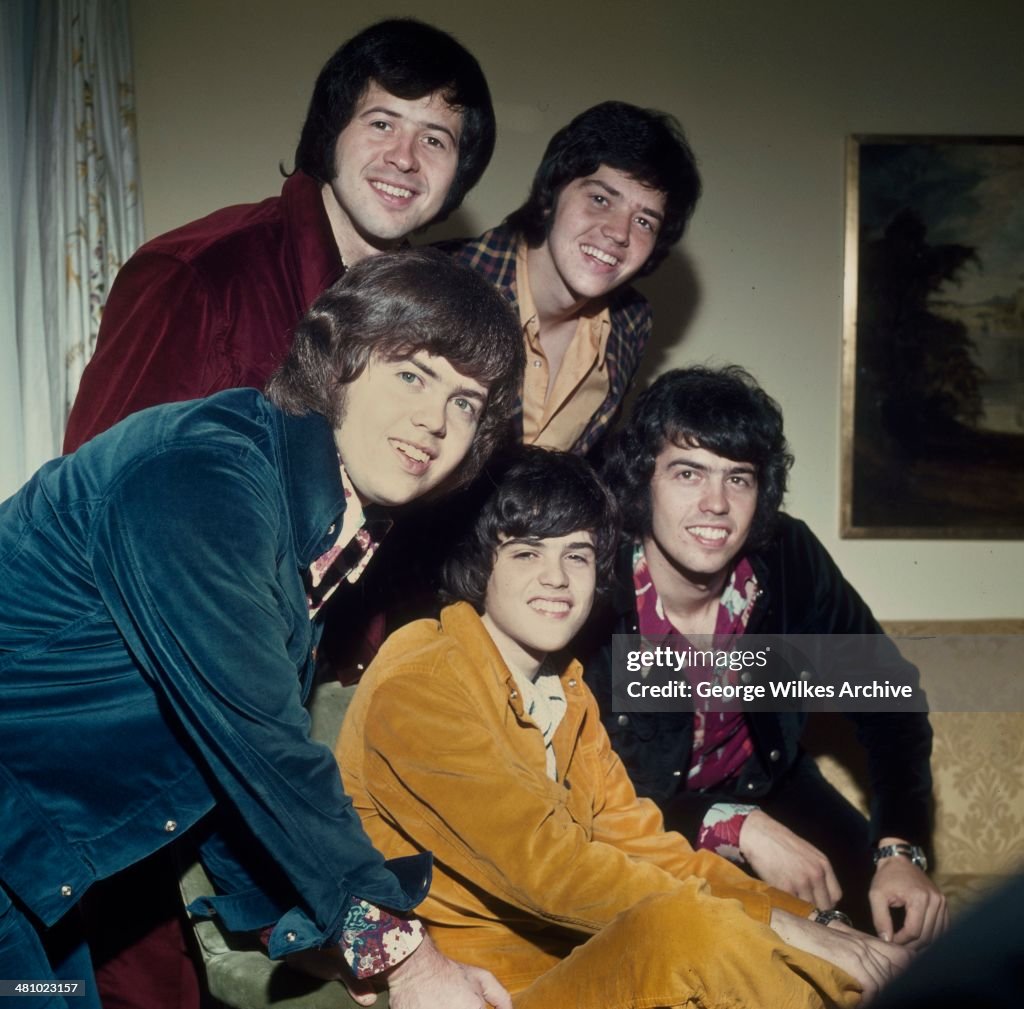
Alan Osmond, the eldest performing member of the legendary musical group The Osmonds, died Monday evening at the age of 76. He passed away at approximately 8:30 p.m.
Alan Osmond, the eldest performing member of the legendary musical group The Osmonds, died Monday evening at the age of 76. He passed away at approximately 8:30 p.m. MDT on April 20, 2026, surrounded by his wife, Suzanne Pinegar Osmond, and their eight sons. While the family has not disclosed a cause of death, Osmond had long navigated a public battle with multiple sclerosis.
The Details
Alan Ralph Osmond, born in Ogden, Utah, in 1949, was the architectural force behind the early success of The Osmonds. He began his performing career at age nine in 1958, forming a barbershop quartet with brothers Wayne, Merrill, and Jay. This early group frequently appeared on NBC's The Andy Williams Show between 1962 and 1967, establishing the family's presence in the American consciousness.
The group's initial formation was rooted in altruism, as the brothers originally began performing to raise money for hearing aids for their eldest brothers, Virl and Tom, who were hearing impaired. Under Alan's leadership—his younger brothers often referred to him as 'No. 1'—the group evolved from vocal harmony to pop and rock stardom. By 1971, they achieved a No. 1 hit on the Billboard Hot 100 with 'One Bad Apple,' recorded at the famous Muscle Shoals studio in Alabama.
Osmond's influence extended beyond the stage. He served as a primary songwriter and producer for the family band and played a pivotal role as a producer for the ABC variety program 'Donny & Marie Show' from 1976 to 1979. The group's discipline earned them the nickname 'one-take Osmonds' due to their rigorous rehearsal schedules and precision, a necessity born from strict child labor laws that limited their recording hours.
His transition away from the spotlight occurred in 1987 following a diagnosis of multiple sclerosis. Though he retired from professional performing that year, he remained a cornerstone of the family's professional and philanthropic ventures. His final public appearance took place in 2019 on 'The Talk' in celebration of his sister Marie's 60th birthday.
Outside of music, Alan co-founded the Stadium of Fire in Provo, Utah, in 1980 alongside brother Merrill, creating what has become one of the largest Fourth of July celebrations in the United States. His commitment to service was further evidenced by his work with the Children's Miracle Network Telethon, which has raised over $2 billion for pediatric hospitals, and his role in founding the One Heart Foundation to support orphans.
Context
The Osmonds' rise to fame was characterized by a blend of meticulous musicianship and a strong public embrace of their faith as members of the Church of Jesus Christ of Latter-day Saints. The group successfully navigated the shift from the clean-cut vocal style of the early 60s to the pop-rock sounds of the 70s, placing 13 songs on the Hot 100 and securing four Billboard 200 top-20 albums, including 'Phase III' and 'Crazy Horses.'
Alan's personal life was deeply intertwined with his roots in Utah. He married Suzanne Pinegar, a former BYU cheerleader, on July 16, 1974, at the Provo LDS Temple. The couple's commitment to their community was recognized in 2021 when they were honored as Pillars of Utah Valley. The family's relationship with MS has been a public journey, as Alan's son, David, who appeared on 'American Idol,' was also diagnosed with the condition in 2005.
In the wake of his passing, his brothers have remembered him as the family's protector. Donny Osmond described Alan as the guide who 'quietly carried so much responsibility so the rest of us could shine,' noting that Alan's tireless work built the foundation for the group's enduring legacy.
What's Next
The Osmond family is expected to announce arrangements for a public memorial service, likely in their home state of Utah. Family members have indicated that Alan's final wishes involved ensuring the group's creative legacy and the message behind their work continue to reach the public.
Meanwhile, the Stadium of Fire and various philanthropic organizations associated with the One Heart Foundation and Children's Miracle Network are expected to release tributes honoring his foundational role in these institutions.
As the family grieves, the public's attention remains on the enduring impact of the 'one-take Osmonds' and the specific leadership Alan provided during the group's most influential era of pop stardom.
Never Miss a Signal
Get the latest breaking news and daily briefings from Zero Signal News directly to your inbox.