
Analysis: Trump's Use of Unenforced Deadlines in Iran Conflict
Zero Signal Staff
Published April 22, 2026 at 3:21 PM ET · 157 days ago
ABC News
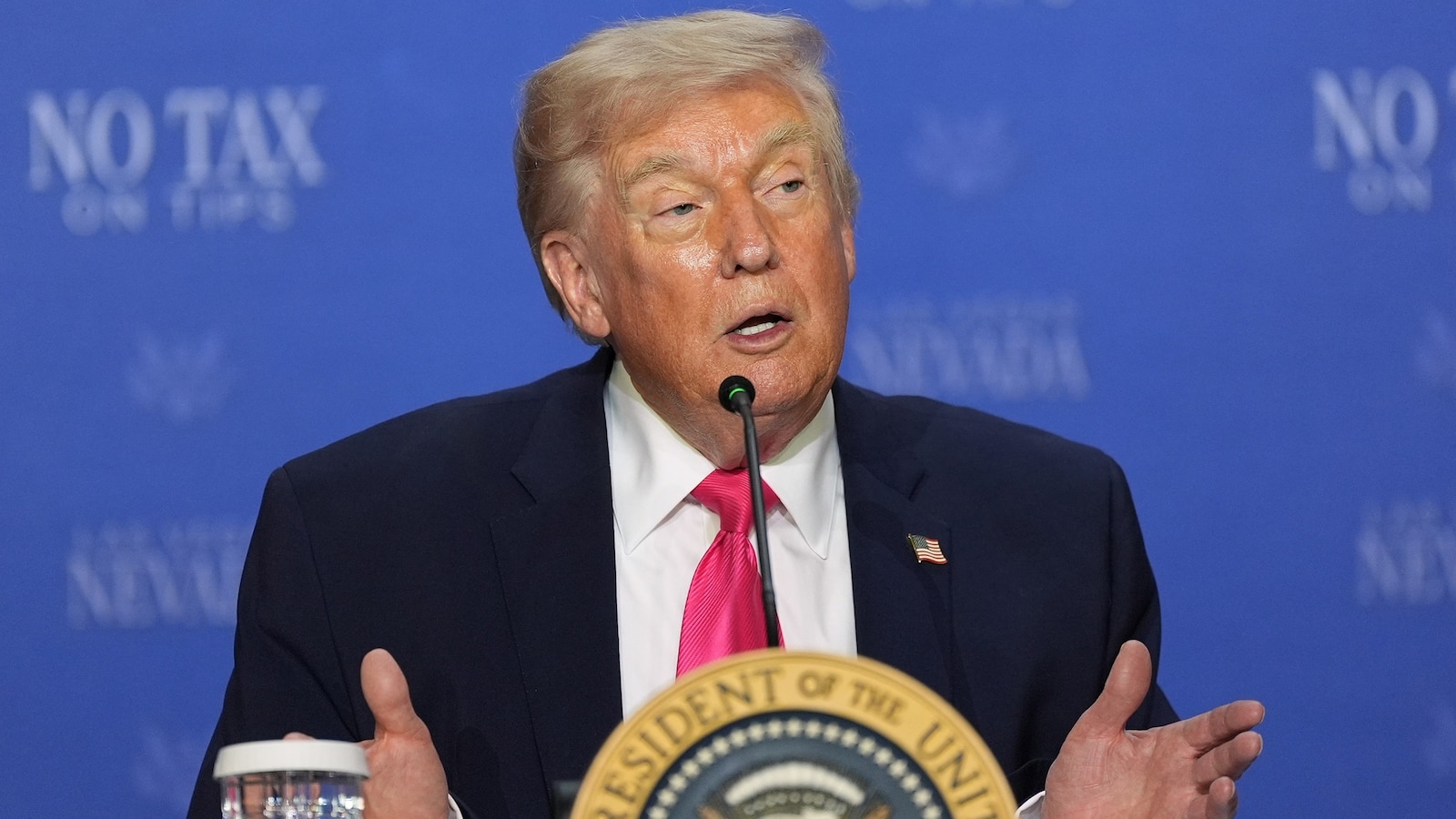
President Donald Trump's approach to the ongoing conflict with Iran has been characterized by a repeating pattern of setting strict deadlines that often go unenforced.
President Donald Trump's approach to the ongoing conflict with Iran has been characterized by a repeating pattern of setting strict deadlines that often go unenforced. These tactical ultimatums are designed to create pressure on the Iranian leadership while providing the U.S. administration with flexible operational options. Critics argue this pattern undermines American credibility, while supporters view it as an effective psychological tool in maximum-pressure diplomacy.
The Details
The strategy involves the public announcement of a specific window for Iran to cease certain actions—such as missile launches or regional destabilization efforts—followed by a silent extension of that window. This cycle has played out across multiple escalations, where the expiration of a deadline does not immediately trigger the promised military or economic retaliation.
Analysts suggest that these 'soft' deadlines serve as a signaling mechanism. By declaring a deadline, the administration alerts adversaries to its perceived boundaries without committing the U.S. to a specific course of action that might restrict future diplomatic maneuvers.
However, the repeated lack of follow-through has led to concerns among international allies. Diplomatic sources indicate that the unpredictability of these deadlines makes it difficult for allies to coordinate a unified response to Iranian provocations.
Inside the White House, the approach is framed as 'strategic ambiguity.' The administration maintains that the ability to change a decision at the last moment keeps opponents off balance, preventing them from accurately predicting U.S. reactions.
Historically, this mirrors aspects of Trump's business negotiation style, where high-stakes demands are used as a starting point to carve out a favorable final agreement. In a geopolitical context, this translate into a high-risk game of brinkmanship.
Recent evidence suggests that the Iranian government has begun to account for this pattern, often ignoring the deadlines with a level of confidence that suggests they no longer perceive them as immediate threats.
Context
The tension between the U.S. and Iran has escalated since the 2018 U.S. withdrawal from the Joint Comprehensive Plan of Action (JCPOA), which Trump termed a 'bad deal.' The subsequent implementation of 'maximum pressure' policies, including severe sanctions, was intended to force Iran back to the negotiating table under more stringent terms.
This geopolitical friction is set against a backdrop of Iranian efforts to expand its influence in Syria and Iraq, and its ongoing program to develop nuclear capabilities. The U.S. has consistently viewed these activities as threats to regional stability and national security.
Trump's approach is a departure from the more predictable, treaty-based diplomacy of his predecessors. By prioritizing personal rapport and unpredictable pressure over long-term systemic agreements, the administration has fundamentally reshaped the U.S.-Iran diplomatic framework.
What's Next
The administration is expected to continue using these deadlines as a tool for short-term tactical gains, though the diminishing returns of this strategy are becoming evident. Future deadlines are likely to be paired with more specific, incremental sanctions to maintain a semblance of consequence.
Observers will be watching for whether this pattern holds during more critical escalations, such as potential direct strikes. If a critical deadline is ignored without response, it may signal a definitive shift in the power dynamic between Washington and Tehran.
Expect further volatility as the U.S. attempts to balance its desire for a deal with the necessity of appearing strong to both domestic and international audiences.
Never Miss a Signal
Get the latest breaking news and daily briefings from Zero Signal News directly to your inbox.