
BAFTA Acknowledges Duty of Care Failure in February Awards Ceremony Incident
Zero Signal Staff
Published April 10, 2026 at 6:19 AM ET · 1 day ago
Variety
BAFTA released findings from its internal review into a racial slur incident that occurred during its February 22 film awards ceremony, concluding that while there was no malicious intent, the organization failed in its duty of care to attendees and...
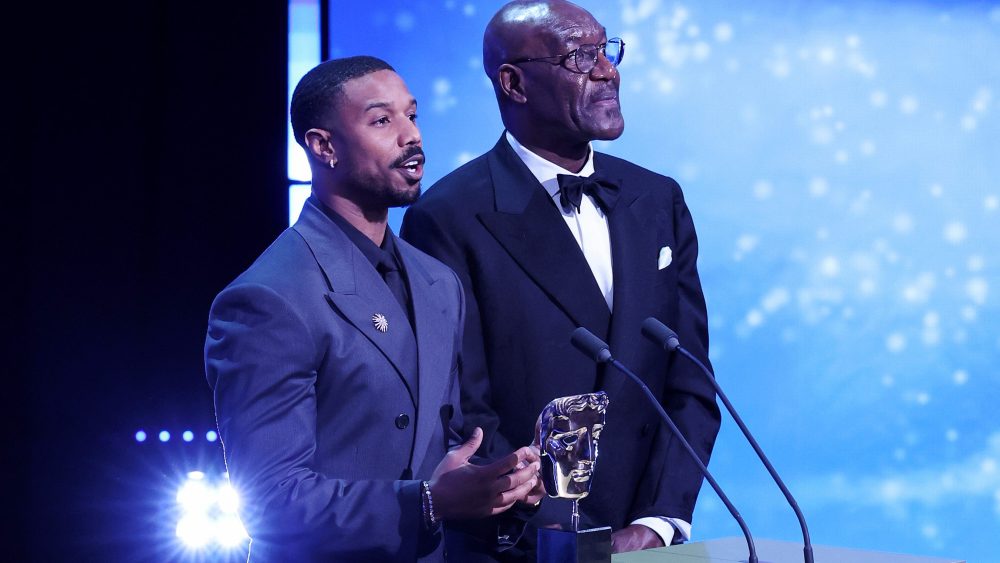
BAFTA released findings from its internal review into a racial slur incident that occurred during its February 22 film awards ceremony, concluding that while there was no malicious intent, the organization failed in its duty of care to attendees and viewers. The incident involved John Davidson, a Tourette syndrome activist and inspiration for the film "I Swear," involuntarily shouting the slur while Michael B. Jordan and Delroy Lindo presented the opening award. BAFTA's board said the organization did not adequately prepare for the impact of such an incident in a live event environment.
The review identified "structural weaknesses in BAFTA's planning, escalation procedures and crisis coordination arrangements," according to a statement from BAFTA's board of trustees released April 10. The organization apologized unreservedly to the Black community, saying the racist language "carries real pain, brutality, and trauma," and to the disability community, including people with Tourette Syndrome, who experienced "unfair judgement, stigma, and distress" following the incident.
The immediate response drew criticism from attendees and viewers. Host Alan Cumming asked the audience for "understanding" regarding Tourette's symptoms, a reaction that many felt prioritized context over the needs of Black guests present at the ceremony. Critics argued BAFTA should have first addressed the impact on Jordan, Lindo, and other Black attendees rather than immediately explaining the medical context of the outburst.
The BBC, which broadcast the ceremony with a two-hour delay, also faced backlash for airing an edited version that failed to remove the slur despite having time to do so. The BBC completed its own investigation in March, which determined the broadcast constituted a "clear breach" of editorial standards, though not intentional.
BAFTA said it has already begun implementing three categories of changes: improving escalation processes and information sharing around awards ceremonies; strengthening planning for access, inclusion and support at events through an intersectional approach; and addressing internal cultural gaps related to diversity, equity and inclusion commitments.
Context
The February 22 incident overshadowed what was meant to be a celebration of British film. BAFTA's initial response on February 23 stated the organization took "full responsibility" for putting guests in a " difficult situation." In a February 24 letter to members, BAFTA Chair Sara Putt and CEO Jane Millichip acknowledged the harm caused and committed to addressing what happened.
The incident highlighted broader questions about event preparedness at major live broadcasts. Unlike previous awards ceremonies that have faced technical or logistical challenges, this situation involved the intersection of disability rights and racial trauma, requiring coordinated responses across multiple stakeholder groups. The BBC's separate investigation, completed more than a month before BAFTA's review, had already established that the broadcaster's editorial processes failed to catch the slur despite the built-in delay.
What's Next
BAFTA's stated reforms will be tested at its next major event. The organization's focus on "intersectional approach" planning suggests future ceremonies will include advance coordination between disability access teams and diversity and inclusion staff—a structural change that addresses the gap exposed in February. The implementation of these three categories of changes will be monitored closely by both the disability and Black British communities, as the credibility of BAFTA's commitment depends on whether these procedural changes prevent similar failures at future events.
Never Miss a Signal
Get the latest breaking news and daily briefings from Zero Signal News directly to your inbox.