
BBC Verify: 184 Sanctioned Russian Shadow-Fleet Vessels Crossed UK Waters After Starmer Boarding Threat
Zero Signal Staff
Published May 12, 2026 at 10:30 AM ET · 153 days ago
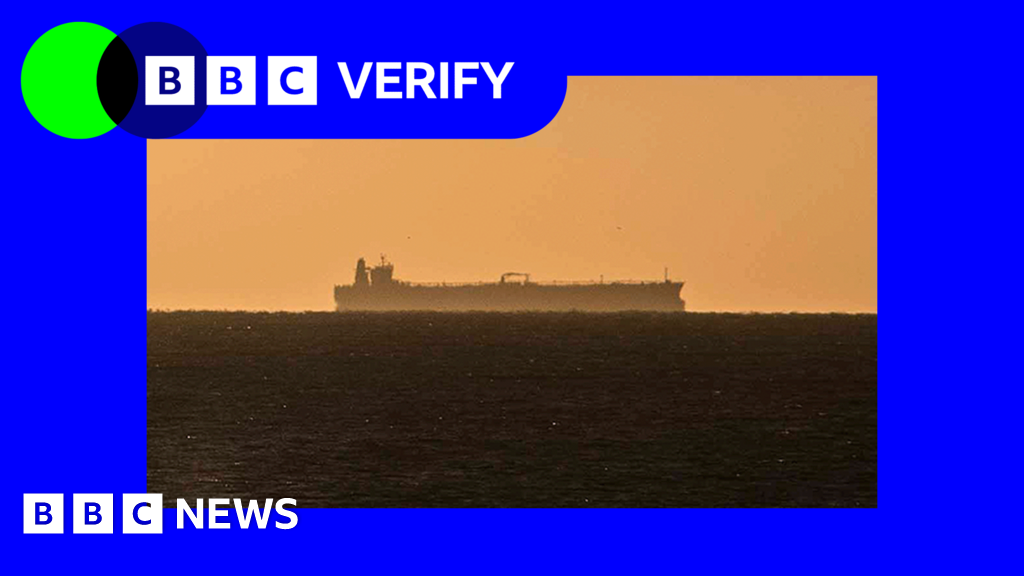
BBC Verify
Nearly 200 UK-sanctioned vessels linked to Russia’s “shadow fleet” made 238 recorded journeys through UK waters between 25 March and 11 May 2026, according to an analysis by BBC Verify — a period covering Prime Minister Keir Starmer’s 25 March warnin
Nearly 200 UK-sanctioned vessels linked to Russia’s “shadow fleet” made 238 recorded journeys through UK waters between 25 March and 11 May 2026, according to an analysis by BBC Verify — a period covering Prime Minister Keir Starmer’s 25 March warning that British forces were ready to board such ships. The tracking data show that sanctioned tankers continued to transit the area after the threat, and the Ministry of Defence has not publicly confirmed any boardings during that window.
The Details
BBC Verify identified 184 UK-sanctioned vessels making 238 journeys through UK waters in the roughly seven weeks between 25 March and 11 May 2026. That period begins almost immediately after Starmer said British forces could board sanctioned ships passing through UK waters. Of the 238 journeys, at least 94 briefly crossed into UK territorial waters, while the rest were tracked within the UK Exclusive Economic Zone, mostly through the English Channel.
On 25 March 2026, the UK government announced that British forces were ready to board and detain sanctioned shadow-fleet ships in UK waters. Ministers said they had identified a legal basis for doing so. The announcement came amid a broader push to restrict Russian-linked shipping.
Two days later, on 27 March 2026, BBC Verify documented the sanctioned tanker VAYU 1 entering UK waters. The vessel’s transit occurred just one day after the government’s crackdown threat. In response, the Ministry of Defence stated that “any enforcement action is considered on a case-by-case basis, in accordance with international law and domestic legislation.”
In a later statement to BBC Verify, the Ministry of Defence said it was “disrupting and deterring” the shadow fleet and had challenged more than 700 suspected vessels since October 2024. Despite that figure, the ministry did not say any sanctioned ships had been boarded. It also cited operational secrecy as a reason it could not disclose details of specific enforcement actions.
Former Royal Navy warship commander Tom Sharpe criticized the lack of visible action, telling BBC Verify, “We have the military capability, whether that's warships, boarding teams, Customs and Excise. We've got no maritime spine in us.”
Shipping lawyer James M Turner KC argued that legal constraints may limit the UK’s ability to seize foreign-flagged vessels, stating, “This is a case where rhetoric and reality do not coincide.”
Context
Russia’s “shadow fleet” refers to tankers with obscure ownership and compliance practices used to move oil despite Western sanctions imposed after the invasion of Ukraine. These vessels typically operate with limited transparency, making it difficult to trace ownership or verify compliance with maritime regulations. The sanctions on these vessels bar entry to UK ports and prohibit British firms and individuals from providing financial, insurance, or brokerage services to ships supplying or delivering Russian oil.
The UK Sanctions List page shows the Russia sanctions regime was updated repeatedly through 11 May 2026, including 85 new Russia designations on 11 May. Those updates support the broader crackdown context around Russian shipping and assets, and they form part of the legal framework the government says underpins its authority to target shadow-fleet operators.
BBC Verify noted that AIS ship-tracking can miss parts of a vessel’s route because transponders can be switched off. That limitation means the documented count of 238 journeys may understate some shadow-fleet activity, adding uncertainty to any assessment of how many sanctioned vessels are actually operating near the UK.
What's Next
Legal experts have questioned whether the UK can legally seize most foreign-flagged shadow-fleet vessels, with Turner KC noting that “this is a case where rhetoric and reality do not coincide.” The Ministry of Defence has cited operational secrecy as a reason it has not confirmed any boardings, while continuing to say it challenges suspected vessels on a case-by-case basis in accordance with international law and domestic legislation. Without public confirmation of boardings, the difference between announced policy and demonstrated enforcement remains visible.
The UK sanctions regime continued to receive updates through 11 May 2026, including 85 new Russia designations on that date, supporting the broader effort to restrict Russian-linked shipping. Because shadow-fleet operators can switch off AIS transponders, the documented count of transits may understate actual activity, leaving the full extent of the fleet’s presence near UK waters uncertain. The discrepancy between the government’s stated readiness to detain ships and the absence of publicly confirmed boardings has already drawn criticism from former naval officials and legal analysts.
Never Miss a Signal
Get the latest breaking news and daily briefings from Zero Signal News directly to your inbox.