
British Households Rush to Solar and Heat Pumps as Energy Bills Set to Jump 18%
Zero Signal Staff
Published April 11, 2026 at 7:21 AM ET · 2 hours ago
Guardian World
British households are installing solar panels, heat pumps, and electric vehicles at record rates following the Iran conflict that began February 28, which has driven global energy prices higher.
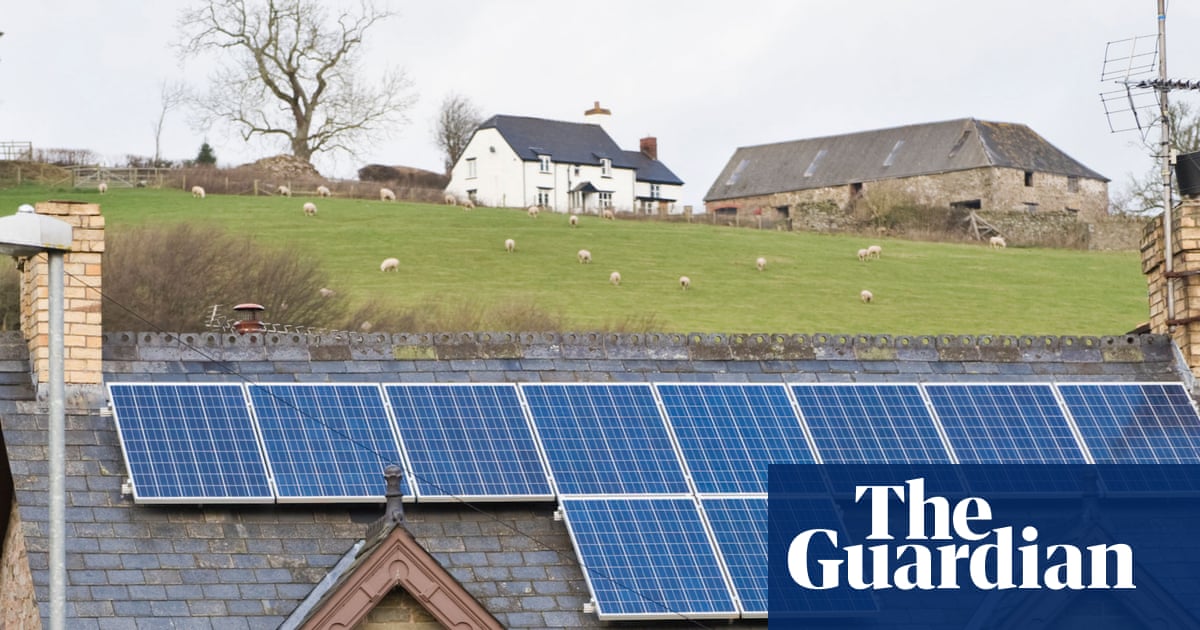
British households are installing solar panels, heat pumps, and electric vehicles at record rates following the Iran conflict that began February 28, which has driven global energy prices higher. Energy suppliers report demand surges of 80% to 250% since late February, as households prepare for an 18% increase in energy bills taking effect in July.
Octopus Energy, Britain's largest energy supplier, reported that heat pump orders more than doubled in March compared to February, while solar panel sales rose nearly 80% and electric vehicle leases increased more than 85%. British Gas, the sector's second-largest player, recorded a 250% rise in solar panel installation inquiries since February 28. The anticipated energy bill increase will raise typical annual dual-fuel costs to £1,929 starting in July, driven by a 50% rise in Europe's benchmark gas price linked to the Iran crisis.
Heating oil prices have become particularly volatile for the roughly 1 million UK households that rely on it, especially in rural areas without gas connections. Allan Burgess, a customer in Great Yarmouth, saw his heating oil costs jump from £250 to £700 for 500 litres in less than a week after the conflict began. He installed a heat pump on March 17 for £1,500 after receiving a £7,500 government grant, combined with existing solar panels and a battery to reduce grid dependence.
Furbnow, a home energy upgrades provider, recorded a 42% increase in inquiries since late February. Nearly three-quarters of prospective customers requested solar panels, more than half inquired about replacing gas or oil boilers with heat pumps, and about 40% sought insulation upgrades. Becky Lane, Furbnow's chief executive, stated: "These aren't panicked reactions, they're considered decisions. Families have realised the most resilient thing they can do is reduce how much energy their home needs in the first place."
Context
The Iran conflict has disrupted global energy markets by effectively closing the Strait of Hormuz, a critical shipping route for oil and gas. Europe relies on Gulf refineries for approximately 60% of its jet fuel imports, and the UK faces particular vulnerability to supply shortages. Heating oil, which is not covered by Ofgem's price cap unlike standard gas and electricity, has experienced sharp price volatility without regulatory protection. The shift toward renewable home energy represents a broader response to decades of exposure to global fossil fuel price fluctuations, with households seeking to reduce their vulnerability to future geopolitical disruptions.
What's Next
The July energy price cap adjustment will be a critical test of whether these green energy installations can meaningfully offset rising bills for British households. Octopus and other suppliers will likely continue tracking installation demand through the summer months to assess whether the surge reflects sustained commitment to renewable upgrades or temporary crisis-driven purchasing. Government grant programs, particularly the £7,500 heat pump subsidy, may face increased pressure if demand continues at current rates, potentially affecting eligibility or funding availability in coming months.
Never Miss a Signal
Get the latest breaking news and daily briefings from Zero Signal News directly to your inbox.