
Cuba Says Diesel and Fuel Oil Reserves Are Exhausted as Blackouts Deepen
Zero Signal Staff
Published May 14, 2026 at 1:51 AM ET · 151 days ago
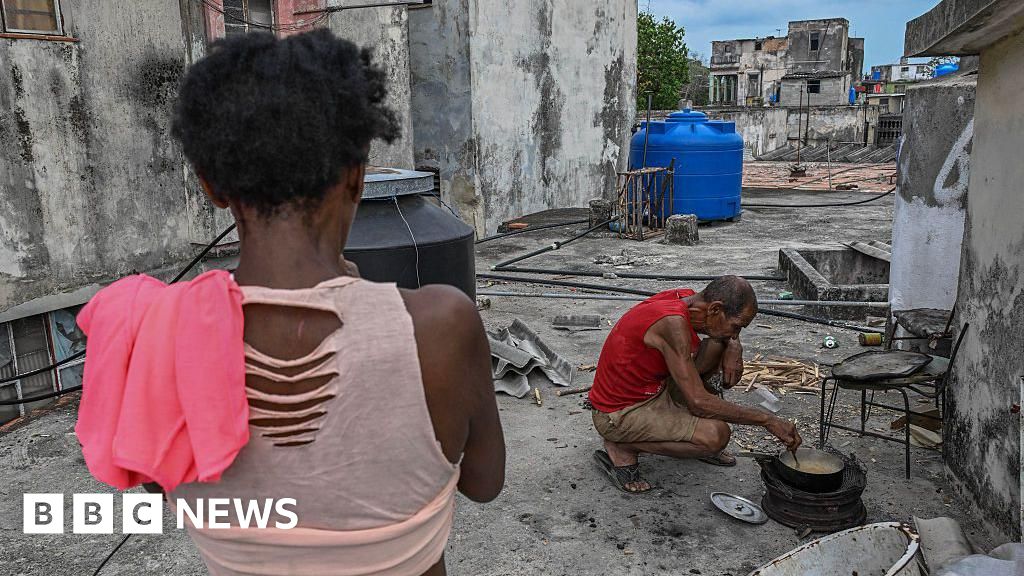
BBC News
Cuba has completely run out of diesel and fuel oil, Energy Minister Vicente de la O Levy said in an interview with state-run media, leaving the island's energy system in a critical state and parts of Havana without electricity for 20 to 22 hours a da
Cuba has completely run out of diesel and fuel oil, Energy Minister Vicente de la O Levy said in an interview with state-run media, leaving the island's energy system in a critical state and parts of Havana without electricity for 20 to 22 hours a day. The acknowledgment from a senior government official marks a sharp escalation in a fuel crisis that has already triggered scattered protests and disrupted essential services across the Caribbean nation.
The Details
In an interview with state-run media, Levy provided a stark and detailed inventory of the island's remaining fuel supplies. 'The sum of the different types of fuel: crude oil, fuel oil, of which we have absolutely none; diesel, of which we have absolutely none - I am being repetitive - the only thing we have is gas from our wells, where production has grown,' Levy said. The minister's statement confirms that outside of limited domestic gas production, Cuba has no remaining reserves of the refined fuels needed to power generators, vehicles, and key infrastructure.
The fuel exhaustion comes as parts of Havana are already experiencing blackouts of 20 to 22 hours, according to the same state media report. The power cuts have prompted public frustration, and BBC News reported, citing Reuters, that scattered protests took place in Havana on Wednesday following power cuts. The unrest corroborates growing public anger tied to the deepening outage crisis.
The current depletion follows months of steadily declining supply. BBC News reported on 2 May that new US sanctions and an oil blockade were already causing widespread blackouts and fuel shortages across Cuba. Earlier, a Russian tanker delivering approximately 730,000 barrels of crude reached Cuba on 31 March, BBC News reported previously. However, analysts said at the time that diesel remained the more urgent need for generators and transport, meaning the crude shipment did not resolve the most acute shortages. The crude required refining before it could be converted into usable fuel for the island's immediate needs.
Context
Cuba normally relies on Venezuela and Mexico for oil supplies, but those flows have largely been cut since the United States threatened tariffs on countries sending fuel to Cuba, according to BBC News. The loss of those traditional supply routes has left the island increasingly dependent on sporadic international shipments and limited domestic production, neither of which has been sufficient to meet national demand.
The shortages and blackouts have disrupted hospitals, schools, government offices, tourism and transport across Cuba, BBC News reported. Essential services that depend on reliable fuel supplies have been forced to operate under severe constraints as the crisis has deepened. The disruption spans both public institutions and commercial sectors, with transport networks particularly affected by the absence of diesel.
The Russian crude shipment that arrived in late March offered only temporary relief because the crude still had to be refined, and analysts said diesel shortages were more acute, according to BBC News. The distinction between crude and refined fuel has proven critical: while raw oil can be stored and later processed, Cuba's refining capacity and ability to convert it into usable diesel and fuel oil has not kept pace with demand. As a result, even when tankers have reached Cuban ports, the benefits to daily life have been limited by the time and infrastructure required to turn crude into usable fuel. Analysts have consistently pointed to diesel as the more urgent need for generators and transport, a gap that crude oil shipments alone cannot quickly close.
What's Next
The United States has repeatedly offered $100 million in humanitarian assistance to Cuba. The US State Department said the humanitarian assistance would be distributed in coordination with the Catholic Church and reliable humanitarian organisations.
However, the diplomatic path to delivering that aid remains contested. US Secretary of State Marco Rubio said Cuba rejected the $100 million humanitarian aid offer, while Cuba denied rejecting it, according to BBC News. The brief noted that this dispute concerns aid diplomacy and does not affect the underlying reality of the fuel shortage. The disagreement underscores the strained relationship between the two governments even as the humanitarian situation on the island deteriorates.
With diesel and fuel oil reserves now fully exhausted and only limited domestic gas production remaining, Cuba faces continued energy disruption. The minister did not outline specific plans for securing new fuel supplies.
Never Miss a Signal
Get the latest breaking news and daily briefings from Zero Signal News directly to your inbox.