
EFF Leader Malema Condemns Xenophobic Attacks on Nigerians, Challenges Perpetrators on Job Creation
Zero Signal Staff
Published May 2, 2026 at 6:07 AM ET · 163 days ago
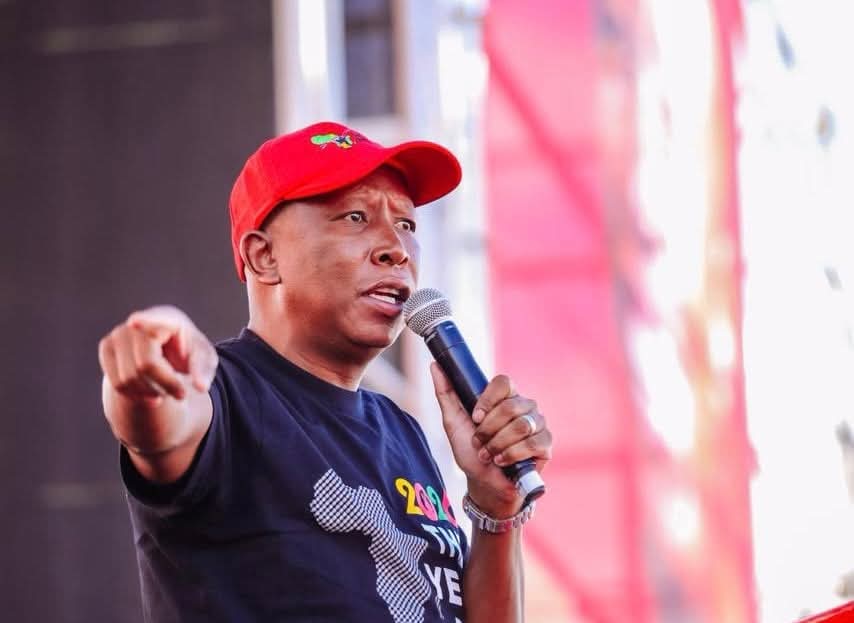
Sahara Reporters / Vanguard Nigeria
Julius Malema, leader of South Africa's Economic Freedom Fighters, publicly condemned a fresh wave of xenophobic attacks targeting African immigrants on April 30, 2026, in Johannesburg — challenging those driving the violence to account for how many
Julius Malema, leader of South Africa's Economic Freedom Fighters, publicly condemned a fresh wave of xenophobic attacks targeting African immigrants on April 30, 2026, in Johannesburg — challenging those driving the violence to account for how many jobs they had created after shutting down foreign-owned businesses. His remarks came as Nigeria's government confirmed that two Nigerian nationals had died amid the unrest, and the Nigerians in Diaspora Commission called on South African authorities to act.
The Details
Malema addressed the violence at an event marking the 14th anniversary of the Collen Mashawana Foundation, according to Sahara Reporters and Vanguard Nigeria. Viral videos circulating in the days prior had shown attacks on immigrants from Ghana, Zimbabwe, and Nigeria, including the looting and closure of foreign-owned shops across several South African cities.
"You say Zimbabweans take your job, Nigerians take your jobs and you march and close shops and beat up people, tell us after doing all this, how many jobs have you created," Malema said, according to Sahara Reporters. He continued: "You have beaten them, you have taken them out of the country, how many jobs have you created from it. You close a shop that hires five people and you say they take our jobs. After closing that shop, how many jobs have you created."
Malema reserved particular criticism for those he described as the primary agitators, calling them "unskilled men, with no skill, none whatsoever, the only skill they have is to drink and they want to pretend like they are revolutionaries," Sahara Reporters reported. He also drew a clear line on electoral support, stating: "I don't want votes that say to me, I must hate Africans for you to vote for me."
The Nigerian Consulate in Johannesburg confirmed the deaths of two Nigerian nationals amid the unrest, according to Sahara Reporters and the News Agency of Nigeria. Amaramiro Emmanuel died from injuries allegedly inflicted by South African National Defence Force personnel after a beating on April 20. Ekpenyong Andrew was arrested on April 19 in Pretoria's Booysens area following an alleged confrontation with Tshwane Metro Police officers; his body was discovered at the Pretoria Central Mortuary the following day, April 20. Both deaths were confirmed through the Consulate via Consul-General Ninikanwa Okey-Uche.
The Nigerians in Diaspora Commission issued a formal statement in response, calling the situation untenable. Chairman and Chief Executive Officer Abike Dabiri-Erewa said the commission "rejects the profiling and generalisation of all Nigerians," adding: "Crime has no nationality. Any individual, regardless of origin, who commits an offence should be investigated and made to face the full penalty of South African law. However, collective punishment and blanket labelling of an entire nationality are unacceptable and dangerous."
NIDCOM reported that Nigerian-descended children in affected areas had become increasingly reluctant to attend school, and that business owners had shut down operations to avoid looting and violence. Dabiri-Erewa said the commission was demanding immediate intervention by South African authorities, including increased police presence in areas with high concentrations of Nigerian nationals.
No formal response from the South African government or President Cyril Ramaphosa's administration to either Malema's remarks or NIDCOM's statement had been reported as of publication.
Context
South Africa has experienced recurring waves of xenophobic violence targeting African immigrants, with major outbreaks documented in 2008, 2015, and 2019, according to reporting across multiple periods. Foreign-owned businesses have been a persistent target during each cycle of unrest.
The Economic Freedom Fighters is South Africa's third-largest political party. Malema founded the EFF in 2013 following his expulsion from the African National Congress Youth League. The party advocates for land expropriation without compensation and broad economic redistribution.
Nigeria and South Africa have experienced strained diplomatic relations over xenophobic violence in previous years. During earlier outbreaks, retaliatory attacks on South African businesses were recorded inside Nigeria, according to general background corroborated across multiple reporting periods.
NIDCOM's Dabiri-Erewa noted that the current deterioration had persisted despite prior diplomatic engagements between the two governments. "While many expected a de-escalation of tensions following earlier engagements between both governments, the situation on the ground is deteriorating," she said, according to Sahara Reporters.
What's Next
NIDCOM has called for investigations into the deaths of both Amaramiro Emmanuel and Ekpenyong Andrew. South African authorities had not announced any charges or arrests in connection with either death as of the time of reporting, according to Sahara Reporters.
The commission has demanded that South African law enforcement increase its visible presence in areas where Nigerian nationals are concentrated, and that authorities pursue individual accountability rather than collective enforcement action against immigrant communities.
Never Miss a Signal
Get the latest breaking news and daily briefings from Zero Signal News directly to your inbox.