Estonia Pushes EU to Regulate Tech Platforms Rather Than Ban Teen Social Media Use
Zero Signal Staff
Published April 10, 2026 at 6:07 PM ET · 15 hours ago
Reddit r/worldnews
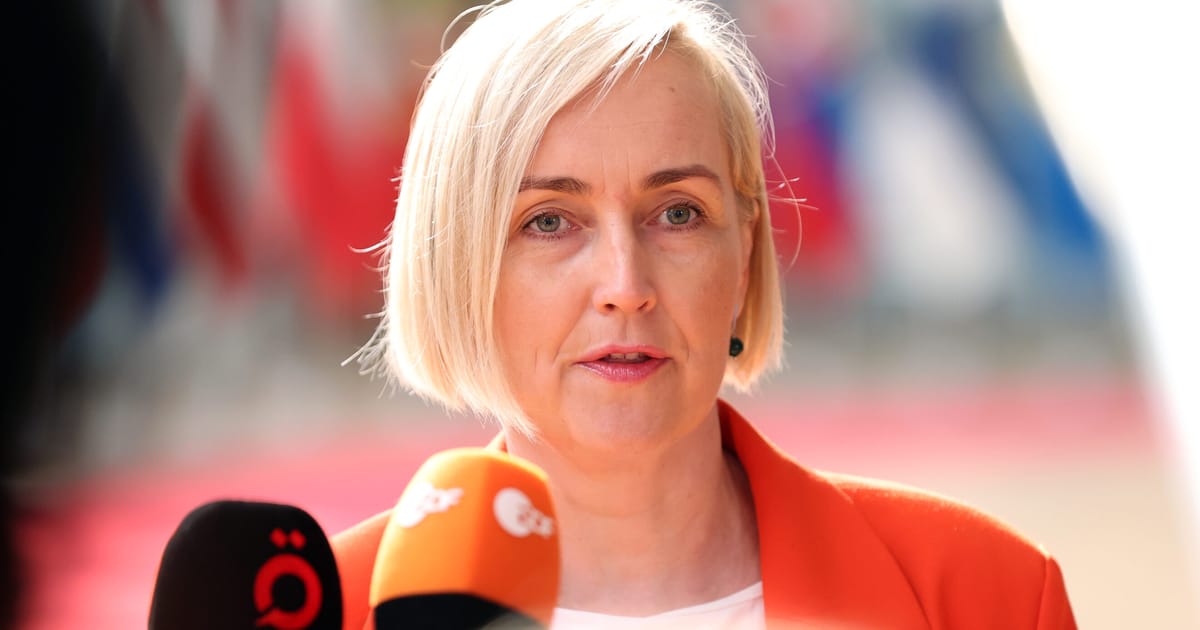
Estonia's Education Minister Kristina Kallas called on the European Union to regulate large social media platforms instead of imposing age-based bans on minors, arguing that restrictions will not solve underlying harms and that companies bear...
Estonia's Education Minister Kristina Kallas called on the European Union to regulate large social media platforms instead of imposing age-based bans on minors, arguing that restrictions will not solve underlying harms and that companies bear primary responsibility for platform safety. Her position contradicts the approach taken by France, Denmark, and Greece, which have enacted or proposed social media bans for teenagers citing mental health concerns.
Kallas made her statement Friday at POLITICO's European Pulse Forum in Barcelona, positioning Estonia as the sole EU member state openly opposing age-based social media bans. She argued that such restrictions are ineffective, saying minors will circumvent them and that bans place responsibility on children rather than on governments and corporations. "The responsibility is on the governments and on the corporation side," Kallas said.
A POLITICO European Pulse survey of six major EU countries found that 75 percent of respondents supported social media bans for minors. Despite this public backing, Kallas contended that the EU has the leverage to compel compliance from large technology companies but has not exercised it. "Europe pretends to be weak when it comes to big American and international corporations," she said, calling this a "pretense" and urging the bloc to "actually take this power and start regulating the big American corporations."
The debate over age restrictions reflects diverging strategies across Europe. Australia became the first country to implement a ban requiring users to be at least 15 years old to access major social media platforms, but regulators there have identified significant enforcement gaps in how platforms execute the restrictions.
Context
The push for age-based bans has accelerated across Europe over the past two years amid growing concern about social media's effects on adolescent mental health. France introduced restrictions in 2024, with Denmark and Greece following suit in 2025 and 2026 respectively. These measures reflect broader global momentum; Australia's 15-year-old minimum, enacted in November 2024, set a precedent that several other nations have considered adopting.
Estonia's regulatory-first approach stands apart in EU policy discussions. The country has historically prioritized digital innovation and has maintained a more permissive stance toward technology adoption compared to other European nations. Kallas's framing of regulation as more effective than restriction aligns with Estonia's broader digital governance philosophy but diverges sharply from the consensus reflected in public opinion polling across the continent.
CONTEXT: The regulatory debate hinges on enforcement feasibility. Age verification systems require either identity confirmation or reliance on platform self-reporting, both of which have proven difficult to implement at scale. Australia's experience demonstrates that even with legal mandates, platforms struggle to prevent underage access consistently, raising questions about whether bans can be enforced without invasive identity verification systems.
What's Next
The EU is unlikely to adopt a unified approach in the near term. The European Commission has not signaled support for bloc-wide age bans, instead prioritizing the Digital Services Act and other regulatory frameworks that target platform conduct rather than user demographics. Kallas's intervention may influence ongoing discussions within EU member states about whether to pursue individual national bans or await coordinated regulatory action at the bloc level.
The outcome will likely depend on whether the Commission prioritizes regulation over restriction in its next policy cycle. If the EU moves toward stricter platform accountability measures—such as algorithmic transparency requirements or content moderation standards—Estonia's position could gain traction. Conversely, if public pressure in other member states continues to mount, additional countries may follow Australia's model regardless of EU coordination.
Never Miss a Signal
Get the latest breaking news and daily briefings from Zero Signal News directly to your inbox.