
F1 Teams And Governing Body Work To Solve Hybrid Power Management Crisis
Zero Signal Staff
Published April 11, 2026 at 6:13 AM ET · 3 hours ago
Ars Technica
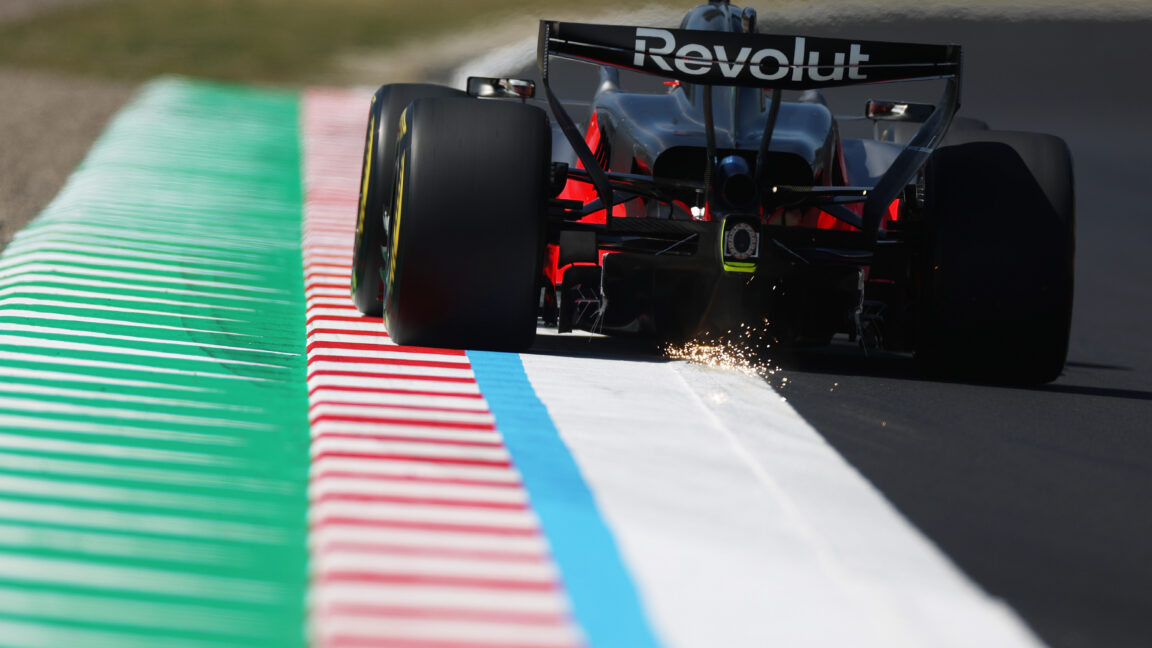
Formula 1 is using a month-long racing hiatus to address critical problems with its new hybrid power units, which have created unpredictable performance swings and forced drivers to lift off throttle during high-speed corners.
Formula 1 is using a month-long racing hiatus to address critical problems with its new hybrid power units, which have created unpredictable performance swings and forced drivers to lift off throttle during high-speed corners. The FIA and all 10 teams are meeting throughout April to redesign how the sport's energy management software allocates power between the 1.6-liter turbocharged V6 engine and the electric motor-generator unit.
The 2026 hybrid system combines a 400 kW V6 engine with a 350 kW electric motor powered by a 4 megajoule battery pack that depletes in roughly 11 seconds at full deployment. The software controlling the system decides when to activate "super clipping"—a mode where the engine charges the battery while the driver maintains full throttle, but this reduces rear-wheel power to just 200 kW, cutting total output from 750 kW to 400 kW. This creates speed differentials of up to 70 kilometers per hour between cars with full battery charge and those depleted, raising safety concerns during races.
The problem became visible at the Japanese Grand Prix, where drivers lifted off the throttle through the 130R corner—one of F1's fastest turns—to preserve energy for qualifying. McLaren driver Lando Norris called the experience "soul destroying." The energy-starved design was intended to attract automakers to the sport, and it succeeded: Audi, Cadillac, and Honda joined Ferrari and Mercedes. However, the unpredictable power management has made qualifying uncompetitive and racing dangerous.
The cancellation of races scheduled for Bahrain and Saudi Arabia this month due to regional conflict has provided teams with unexpected development time. Mercedes, the championship favorite, is using the break to address its own issues, including losing positions at race starts and struggling to pass cars in traffic. Teams like Aston Martin, Cadillac, and Williams plan to use the period to close gaps to the midfield.
Context
The hybrid regulations represent F1's most significant technical overhaul since 2014, when the sport introduced its previous V6 hybrid formula. That system also faced early criticism for energy management issues, but those were resolved within the first season through software refinements and rule adjustments. The current problem is more acute because the 4 megajoule battery is comparable in size to a Toyota Prius battery but must power an 1,005-horsepower car, creating an energy deficit that forces drivers to make tactical throttle decisions during performance-critical moments.
Lift-and-coast driving—where drivers ease off the accelerator before braking zones to recharge the battery—is standard practice in IndyCar and endurance racing like Le Mans. In those series, fuel or energy conservation strategies are central to race strategy. However, F1 qualifying is designed to showcase maximum driver performance over a single lap, and the hybrid system's energy constraints have made that impossible on fast corners.
What's Next
The technical meetings throughout April will likely produce software changes to the hybrid management algorithm, potentially allowing drivers more control over when super clipping engages rather than leaving it to the car's automated decision-making. The FIA may also adjust the battery capacity or energy deployment limits before the next scheduled race in Monaco on May 25, giving teams limited time to implement changes. How aggressively the governing body acts will determine whether F1 returns to rewarding driver skill on fast corners or continues to prioritize energy conservation over racing spectacle.
Never Miss a Signal
Get the latest breaking news and daily briefings from Zero Signal News directly to your inbox.