
Fed Nominee Kevin Warsh Vows Independence Amid 'Sock Puppet' Accusations at Senate Hearing
Zero Signal Staff
Published April 22, 2026 at 12:55 AM ET · 158 days ago
Reuters
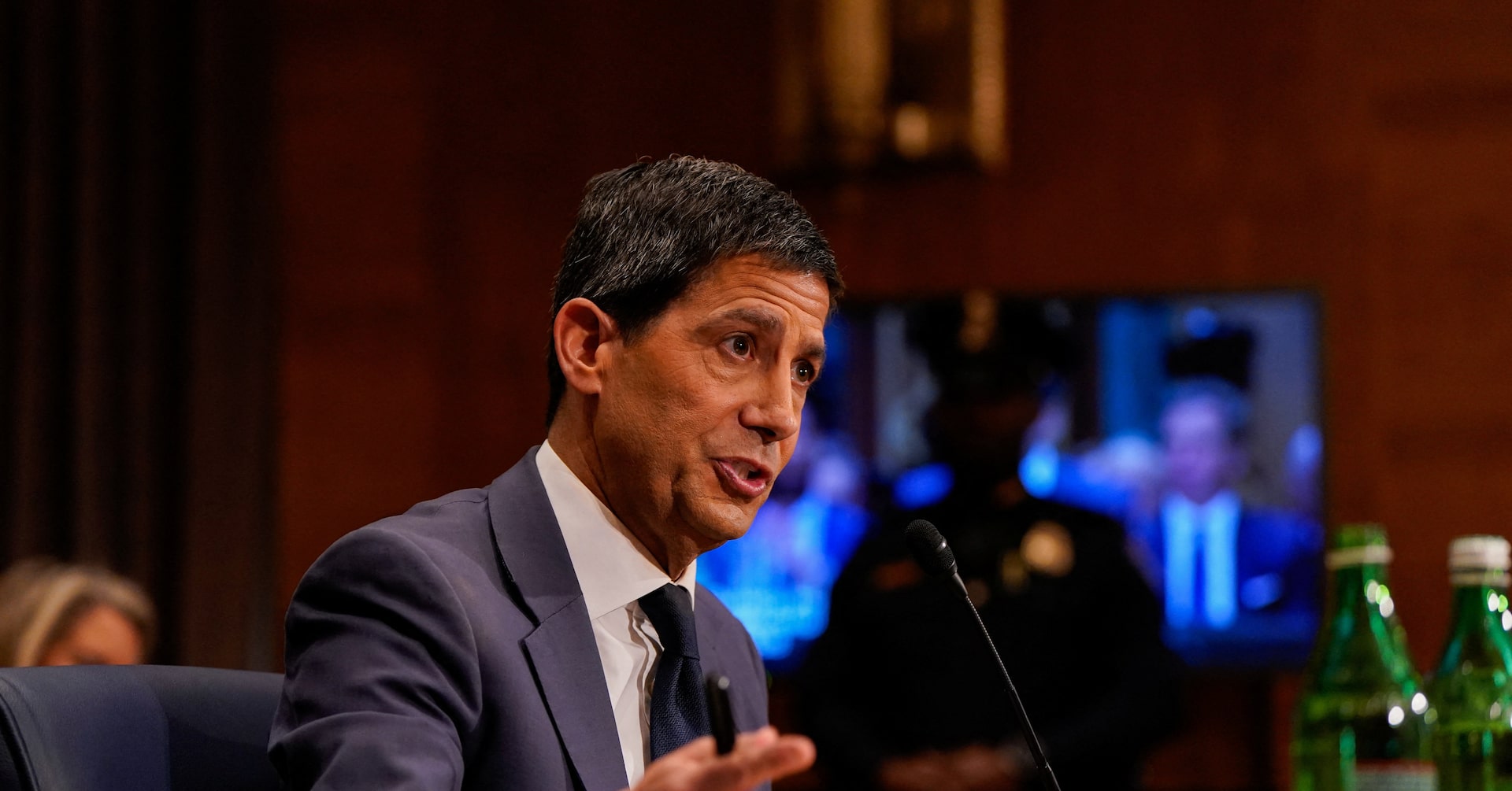
President Donald Trump's nominee to lead the Federal Reserve, Kevin Warsh, testified before the Senate Banking Committee on April 21, 2026, facing sharp accusations of political subservience.
President Donald Trump's nominee to lead the Federal Reserve, Kevin Warsh, testified before the Senate Banking Committee on April 21, 2026, facing sharp accusations of political subservience. Senator Elizabeth Warren (D-MA) characterized Warsh as a "sock puppet" for the president, arguing the nomination represents an attempt to dismantle the central bank's independence. Warsh denied the claims, asserting he would act as an independent actor if confirmed.
The Details
The confirmation hearing, which lasted approximately two and a half hours, centered on whether Warsh would prioritize political loyalty over monetary stability. Senator Warren cited comments from President Trump suggesting that interest rates would drop specifically following Warsh's appointment, and quoted the president as stating that anyone who disagrees with him would never lead the Fed. Warren argued that such a nominee would allow the president to use the Fed's authorities to enrich his own allies.
Warsh explicitly denied being a 'sock puppet' and testified that the president had never asked him to predetermine or commit to any specific interest rate decisions. However, this testimony was challenged by Senator Ruben Gallego (D-AZ), who referenced a December 2025 Wall Street Journal report. That report detailed a 45-minute White House meeting where Trump allegedly pressed Warsh on his willingness to support rate cuts—a claim Trump later confirmed to the Journal. Warsh dismissed the reporting, though he did not request a correction.
Ethics and transparency also emerged as primary flashpoints. Senator Warren pressed Warsh regarding more than $100 million in undisclosed financial holdings tied to his work for investor Stanley Druckenmiller, suggesting the opacity violates Fed ethics rules. Warsh responded that he had exceeded disclosure requirements and was cooperating with the Office of Government Ethics, noting that a confidentiality agreement with Druckenmiller prevented the disclosure of underlying assets.
Further inquiries focused on Warsh's personal and political associations. When asked by Senator Warren whether President Trump lost the 2020 election, Warsh declined to provide a direct answer, stating that the body had certified the election years ago. He also faced questioning about his name appearing in DOJ files related to Jeffrey Epstein; Warsh declined to answer directly but stated he intended to divest his holdings upon confirmation.
Regarding the Fed's operations, Warsh proposed a "regime change." His plan includes a new method for measuring inflation, an overhaul of communications, and a potential reduction in policy meetings from eight per year to as few as four. He also indicated a desire to trim the Federal Reserve's balance sheet.
Context
Kevin Warsh is not a newcomer to the Federal Reserve, having served as a governor from 2006 to 2011. During his first confirmation in 2006, he was praised for his support of independence, even by Senator Chuck Schumer. This current nomination occurs during a period of high tension between the executive branch and the central bank. Current Fed Chair Jerome Powell's term ends May 15, 2026, and he has frequently clashed with Trump over monetary policy.
The political environment is further complicated by a criminal investigation led by DC US Attorney Jeanine Pirro into Powell over cost overruns on the Federal Reserve building renovation. This investigation, involving roughly $700 million in budget overruns, has been characterized by critics as a tool for intimidation. Adding to the legal volatility, a pending Supreme Court case is examining whether the president possesses the authority to fire Fed Governor Lisa Cook over alleged mortgage application misstatements.
These events underscore a broader struggle over the Federal Reserve Act of 1935, which generally protects Board members from removal except for cause, such as negligence or malfeasance. The outcome of Warsh's confirmation will likely signal the future of the Fed's autonomy in the face of direct presidential pressure.
What's Next
The immediate future of the Fed's leadership remains uncertain. Republican Senator Thom Tillis (R-NC) has stated he will block Warsh's confirmation vote in committee until the Justice Department drops the criminal investigation into Jerome Powell. Because Republicans hold a narrow 12-10 advantage on the committee, a single dissent is sufficient to block the nomination.
If Warsh is not confirmed by May 15, Jerome Powell has indicated he will remain in his role as required by law. Warsh has notably declined to comment on whether the Vacancy Act would apply to the Fed in such a scenario.
Market reaction to the hearing was muted but negative, with the Dow falling 132 points and the S&P 500 and Nasdaq both dropping approximately 0.4%. Analysts remain divided on Warsh's likely policy trajectory; some, such as Annex Wealth Management's Brian Jacobsen, suggest that Warsh's historical hawkishness may prevent him from cutting rates as aggressively as the president desires.
Never Miss a Signal
Get the latest breaking news and daily briefings from Zero Signal News directly to your inbox.