
Federal Health Officials Launch Voluntary Program to Digitize Patient Medical Records
Zero Signal Staff
Published April 10, 2026 at 2:28 AM ET · 1 day ago
STAT News
The Centers for Medicare and Medicaid Services unveiled the Health Tech Ecosystem initiative on April 9, 2026, a voluntary program designed to eliminate paper-based patient intake forms by making medical records portable across healthcare providers.
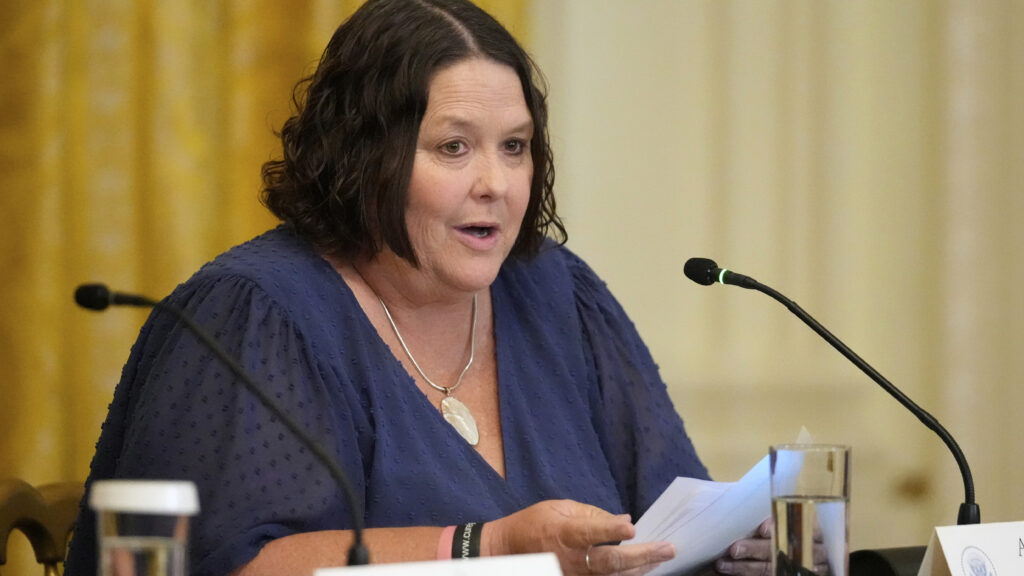
Zac Jiwa, a federal Medicare official, presented the initiative's progress at a Thursday event, framing the effort as a replacement for the traditional clipboard-based intake process that has long defined the patient experience. The program requires participating health tech companies to create systems capable of importing patient data directly into provider electronic health records and to develop patient apps that facilitate data sharing across healthcare settings.
The initiative operates on a voluntary basis, meaning healthcare technology companies choose whether to participate and meet the federal standards. No mandatory compliance deadlines or enforcement mechanisms have been announced, leaving participation dependent on industry buy-in rather than regulatory requirement.
Health tech companies and CMS officials celebrated the program's launch, highlighting early adoption among participating firms. However, the voluntary structure has raised questions about whether the initiative will achieve widespread implementation or remain limited to early adopters willing to invest in interoperability infrastructure.
The program addresses a persistent friction point in U.S. healthcare: patients typically provide their medical history repeatedly across different providers because systems do not communicate with one another. Digitizing and standardizing record portability could reduce administrative time for both patients and clinical staff.
Context
Medical record fragmentation has been a documented problem in U.S. healthcare for decades. A 2015 study found that approximately 80 percent of healthcare providers could not access patient records from other organizations, forcing duplicate testing and delayed care coordination. The Obama administration's 21st Century Cures Act, enacted in 2016, included provisions requiring interoperability, but implementation has proceeded slowly without consistent federal enforcement.
What's Next
The effectiveness of the voluntary approach will likely become apparent within 12 to 18 months as participating companies report adoption metrics and patient usage data. If early adoption remains limited to a small subset of providers and tech vendors, pressure may mount on CMS to impose mandatory interoperability requirements rather than relying on voluntary participation.
A key test will be whether the program achieves sufficient scale to deliver tangible benefits to patients. If patients continue to encounter non-participating providers or systems that cannot exchange data, the initiative's impact will be constrained regardless of technical success among participating companies.
Never Miss a Signal
Get the latest breaking news and daily briefings from Zero Signal News directly to your inbox.