
Federal Judge Blocks Pentagon's Second Attempt to Restrict Press Access
Zero Signal Staff
Published April 10, 2026 at 2:39 AM ET · 1 day ago
Politico
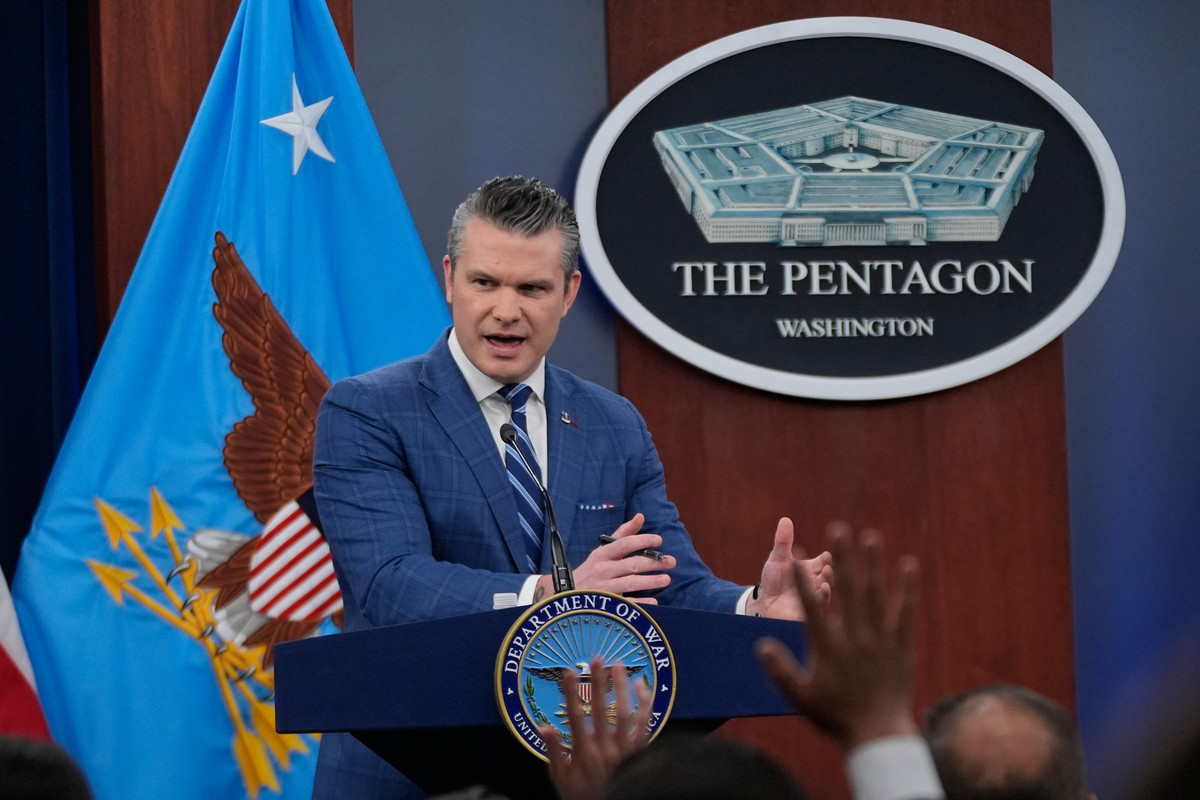
U.S. District Judge Paul Friedman on April 9 voided Defense Secretary Pete Hegseth's revised policy limiting reporter access to the Pentagon, marking the second time the judge has rejected such restrictions.
U.S. District Judge Paul Friedman on April 9 voided Defense Secretary Pete Hegseth's revised policy limiting reporter access to the Pentagon, marking the second time the judge has rejected such restrictions. Friedman ruled that the new policy was a repackaging of an earlier unconstitutional rule and violated First Amendment protections.
Hegseth's revised policy, implemented after Friedman struck down an initial version last month, prohibited reporters from pursuing information from Pentagon sources without authorization from department leadership. The policy also removed the press corps from the main Pentagon building and the longstanding Correspondents' Corridor, relocating journalists to a library on the periphery of the complex pending construction of an annex facility.
Friedman wrote that the restrictions amounted to an attempt to dictate media coverage that resembled "an autocracy, not a democracy." The judge stated: "The curtailment of First Amendment rights is dangerous at any time, and even more so in time of war. The Constitution demands better. The American public demands better, too."
Pentagon spokesperson Sean Parnell said the administration disagrees with the ruling and plans to appeal, claiming the department "has at all times complied with the Court's Order" while maintaining its obligation to ensure the Pentagon's safe operation. Parnell did not specify what aspects of the policy the department would challenge.
Context
This is the second judicial rejection of Hegseth's press restrictions in two months. The first version, which would have stripped credentials from journalists who refused to submit articles for preapproval by Defense Department channels, was struck down in March 2026. Friedman, a Clinton appointee, has consistently applied strict scrutiny to the restrictions, treating them as direct threats to First Amendment protections rather than administrative security measures.
Pentagon press restrictions have historically been a flashpoint in civil-military relations. Previous administrations have faced legal challenges over credential denials and access limitations, though few have attempted to require preapproval of published content. The Correspondents' Corridor, from which reporters were evicted, has served as the primary workspace for Pentagon press corps for decades.
What's Next
The Pentagon has indicated it will appeal Friedman's decision, likely to the U.S. Court of Appeals for the D.C. Circuit. The appeal process typically takes several months, during which the current press access arrangements will likely remain in effect unless the appeals court grants an emergency stay. Hegseth's next move will signal whether the administration intends to pursue further litigation or accept the judicial constraints on its ability to control press operations at the Pentagon.
Never Miss a Signal
Get the latest breaking news and daily briefings from Zero Signal News directly to your inbox.