
Federal Judge Halts Kennedy's Vaccine Policy Overhaul as Court Case Looms
Zero Signal Staff
Published April 10, 2026 at 6:07 AM ET · 1 day ago
Wired
A federal judge blocked most of Health and Human Services Secretary Robert F.
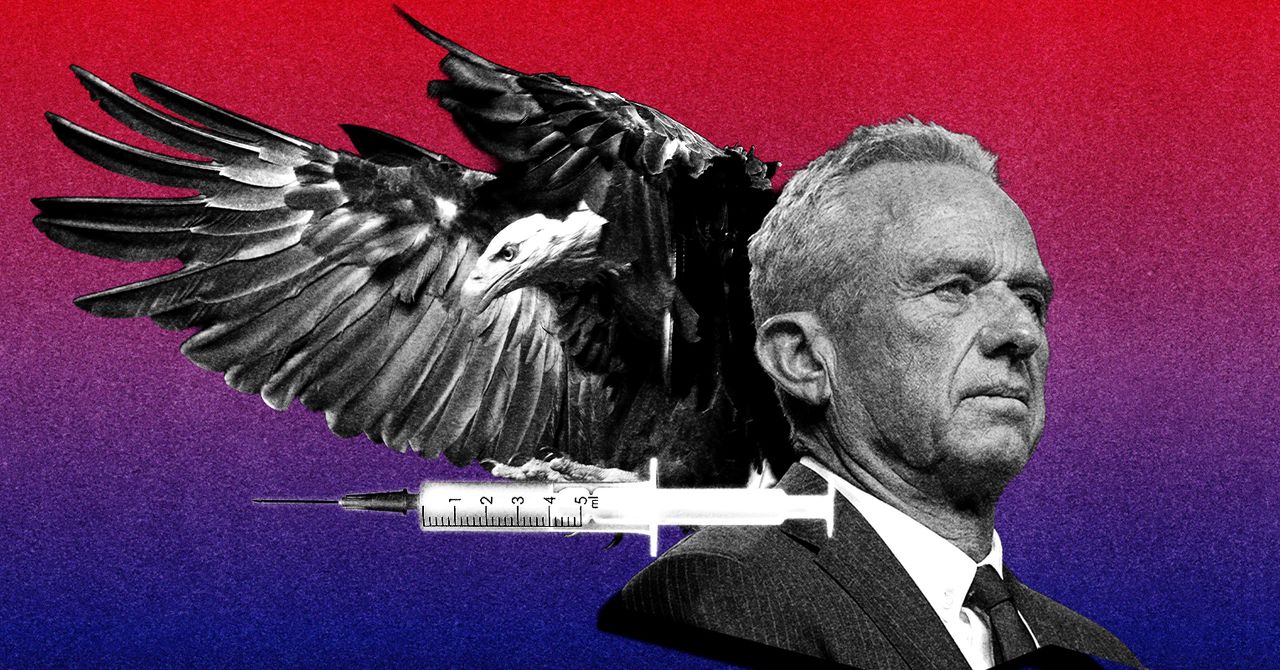
A federal judge blocked most of Health and Human Services Secretary Robert F. Kennedy Jr.'s changes to federal vaccine guidance in March, pausing his effort to reduce routine childhood vaccines from 17 to 11 and eliminate longstanding recommendations. The Trump administration has said it will appeal the decision, leaving U.S. vaccine policy in legal limbo as the case proceeds through federal court.
Kennedy took office in January 2025 and immediately began restructuring vaccine policy. In May 2025, he dropped COVID-19 vaccine recommendations for healthy children and pregnant women. He then removed all 17 members of the Advisory Committee on Immunization Practices (ACIP), the panel that advises the Centers for Disease Control and Prevention on vaccine recommendations, and replaced them with members who had criticized vaccines. In December, the reconstituted ACIP voted to end the universal hepatitis B birth dose recommendation, guidance that had been in place since 1991.
In January 2026, Kennedy announced changes to the childhood immunization schedule without consulting ACIP, reducing routine vaccines from 17 to 11. A lawsuit filed by the American Academy of Pediatrics and other medical groups challenged the appointments and the schedule changes. On March 10, 2026, a federal judge ruled that the new ACIP members were unlawfully appointed, voiding their actions and pausing implementation of the vaccination schedule changes.
Syra Madad, chief biopreparedness officer at NYC Health + Hospitals, told Wired that vaccine hesitancy is already rising. "We're seeing the rise of vaccine-preventable illnesses such as measles," Madad said. Robert Malone, one of Kennedy's appointed ACIP members who stepped down in March, stated on a conservative podcast that a White House adviser ordered Kennedy to "shut down" vaccine discussions ahead of the November midterm elections.
The Trump administration's HHS spokesman Andrew Nixon said in a statement to Wired: "HHS looks forward to this judge's decision being overturned just like his other attempts to keep the Trump administration from governing." The administration has indicated it will appeal the ruling.
Context
ACIP recommendations typically become federal policy when adopted by the CDC director. Kennedy fired previous CDC director Susan Monarez in August 2025, reportedly because she would not approve his vaccine changes. The CDC director position has remained vacant, with National Institutes of Health director Jay Bhattacharya currently running the agency. Despite his boss's anti-vaccine views, Bhattacharya recently told CDC staff that it is "absolutely vital" to get the measles vaccine.
Elizabeth Jacobs, an epidemiologist at the University of Arizona and founding member of Defend Public Health, a grassroots organization formed in late 2024 after Kennedy's nomination, explained the downstream effects: "Vaccination recommendations are frozen in amber to the time before Kennedy took office." Without a functional ACIP, new vaccines approved by the Food and Drug Administration face delays in reaching patients, since ACIP recommendations often dictate prescribing and insurance coverage in many states.
On April 10, 2026, HHS published a new ACIP charter, as required by law every two years. The charter names groups that have promoted vaccine skepticism as entities that will send liaisons to ACIP meetings and elevates monitoring of vaccine adverse events to a primary function of the panel.
What's Next
The outcome of the federal appeal will determine whether Kennedy can resume his vaccine policy agenda. If the Trump administration wins the appeal, Kennedy's reduced immunization schedule could be reinstated. If the administration loses, vaccine policy will remain frozen at pre-Kennedy levels unless a new ACIP is properly constituted. The November 2026 midterm elections may influence the White House's appetite for continued vaccine policy changes, given reports that the administration is distancing Kennedy from the issue ahead of voting.
The lack of a permanent CDC director and a functional ACIP creates a structural bottleneck for any new vaccine approvals. If the FDA approves a new vaccine before ACIP reconvenes, access could be delayed for months or longer in states that rely on ACIP recommendations for insurance coverage and prescribing guidelines.
Never Miss a Signal
Get the latest breaking news and daily briefings from Zero Signal News directly to your inbox.