
Fed's Most Divided Vote in Three Decades Signals the Challenge Awaiting Kevin Warsh
Zero Signal Staff
Published April 29, 2026 at 7:01 PM ET · 150 days ago
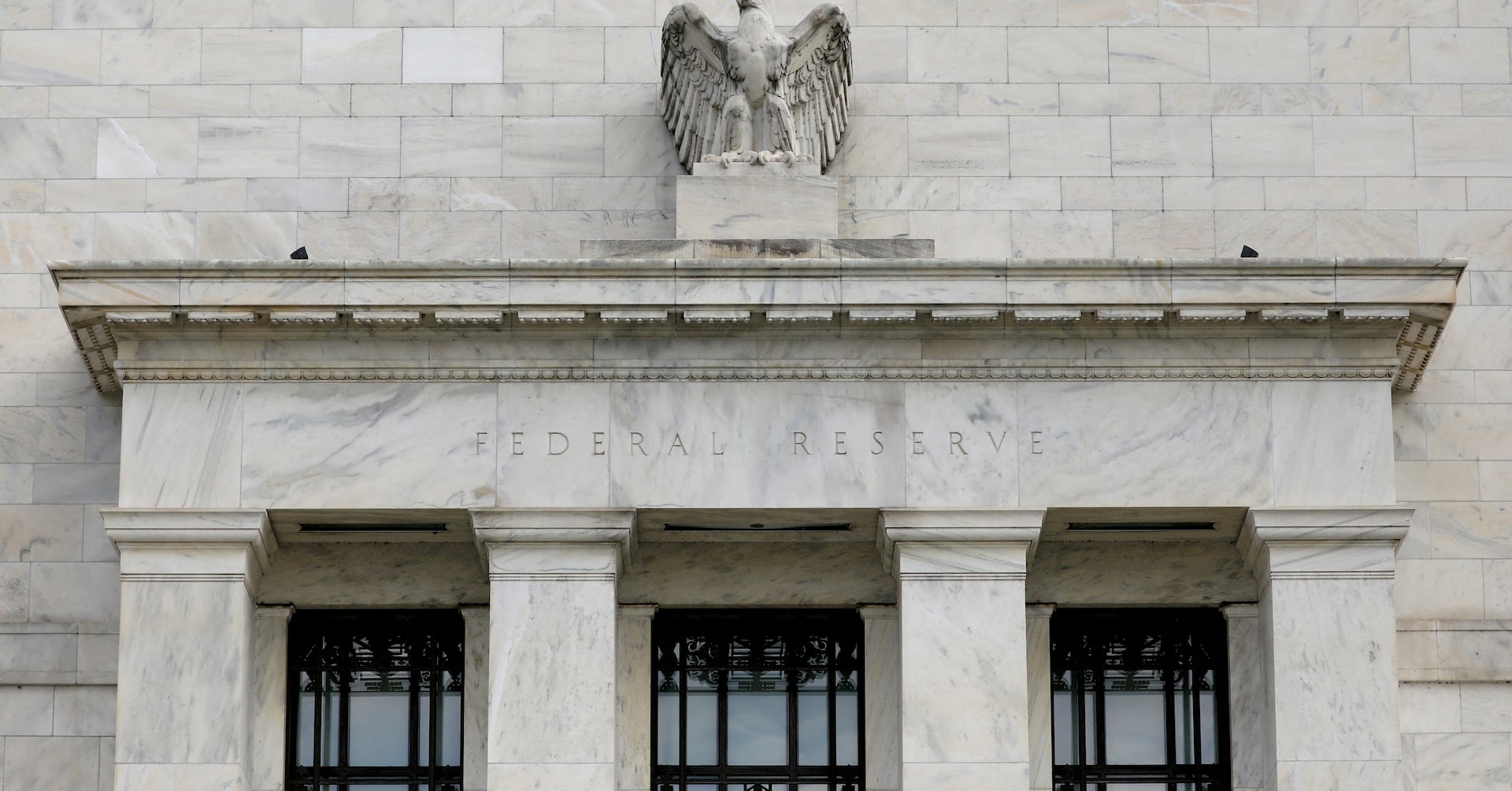
Reuters; CNBC
The Federal Reserve held its benchmark interest rate steady at 3.50% to 3.75% on April 29, 2026, in what Reuters described as the most divided policy decision since 1992 — an 8-4 vote that lays bare the fractured committee Kevin Warsh is poised to in
The Federal Reserve held its benchmark interest rate steady at 3.50% to 3.75% on April 29, 2026, in what Reuters described as the most divided policy decision since 1992 — an 8-4 vote that lays bare the fractured committee Kevin Warsh is poised to inherit as the next Fed chair. The split came on the same day the Senate Banking Committee advanced Warsh's nomination on a 13-11 party-line vote, with Jerome Powell confirming he will remain on the Fed board after his chair term ends May 15.
The Details
The Federal Open Market Committee voted to keep its overnight benchmark rate in the 3.50% to 3.75% range, according to Reuters. The margin — four dissents on a single policy question — has not been seen since 1992, Reuters reported. Three officials objected to language in the statement signaling a continued easing bias, while a fourth pushed in the opposite direction, seeking an immediate quarter-point rate cut.
The Fed's statement cited elevated inflation, attributing part of the pressure to higher global energy prices, according to Reuters. Officials also noted that developments in the Middle East are contributing to a high level of uncertainty about the economic outlook, the statement said.
The breadth of the dissents — spanning both the hawkish and dovish ends of the committee — illustrated how difficult consensus-building has become inside the institution. CNBC's live coverage of the meeting reported that the committee's dissents were being interpreted as an early warning to Warsh about the policy terrain he is set to navigate.
Warsh's nomination cleared a critical procedural threshold Wednesday when the Senate Banking Committee voted 13-11 along party lines to advance his candidacy to the full Senate, Reuters reported. Warsh previously served as a Fed governor from 2006 to 2011. His confirmation path now moves to a full Senate vote.
Senator Elizabeth Warren voted against advancing the nomination. "Members of this committee who vote for Mr. Warsh and help facilitate President Trump's takeover of the central bank will come to regret it," Warren said, according to Reuters.
Powell, whose term as Fed chair ends May 15, said he intends to remain on the board after stepping down from the chair role. "After my term as chair ends on May 15, I will continue to serve as a governor for a period of time to be determined," Powell said, according to Reuters.
Powell framed his decision to stay on the board in terms of institutional protection. "I worry that these attacks are battering the institution and putting at risk the thing that really matters to the public, which is the ability to conduct monetary policy without taking into consideration political factors," Powell said, as reported by Reuters.
Context
The April 28-29 FOMC meeting was the final scheduled policy session of the Powell era as chair, according to the Federal Reserve's official 2026 meeting calendar. Powell has led the Fed through a period of intense rate moves and, more recently, mounting political and legal pressure from the Trump administration.
Warsh is a familiar figure inside the institution. He served previously as a Federal Reserve governor from 2006 to 2011, according to Reuters, giving him firsthand experience with the committee dynamics he would be returning to lead.
The sharp internal divisions on display Wednesday go beyond stylistic disagreements. With three hawks resisting easing-bias language and one dove seeking a cut, the incoming chair would face a committee where no single policy direction commands easy consensus — and where inflation pressure and geopolitical uncertainty are compounding the difficulty of that task, according to Reuters' reporting on the meeting.
What's Next
Warsh's nomination now moves to the full Senate for a confirmation vote, following the Banking Committee's 13-11 approval, Reuters reported. Powell's chair term expires May 15, after which he said he will remain a Fed governor for an undetermined period.
The Fed's next scheduled rate decision will follow its next FOMC meeting. The committee did not signal a timetable for policy changes, and the statement's reference to elevated inflation and Middle East uncertainty, as reported by Reuters, suggests the rate path remains contested.
Never Miss a Signal
Get the latest breaking news and daily briefings from Zero Signal News directly to your inbox.