
Former UK Official Describes 'Atmosphere of Pressure' to Clear Mandelson for US Ambassadorship
Zero Signal Staff
Published April 21, 2026 at 8:18 AM ET · 159 days ago
AP News
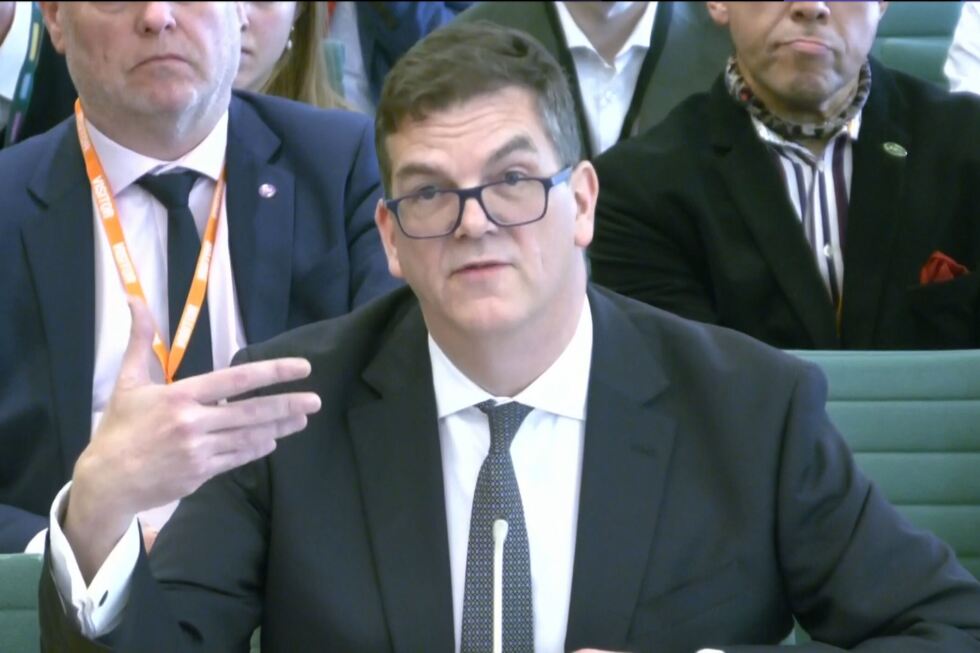
Sir Olly Robbins, the former head of the UK Foreign Office, testified before the House of Commons Foreign Affairs Committee on April 21, 2026, stating he felt significant political pressure from Downing Street to expedite Peter Mandelson's security v
Sir Olly Robbins, the former head of the UK Foreign Office, testified before the House of Commons Foreign Affairs Committee on April 21, 2026, stating he felt significant political pressure from Downing Street to expedite Peter Mandelson's security vetting. Robbins alleged that Prime Minister Keir Starmer's office viewed the timing of the Washington ambassador appointment as more critical than the actual outcome of the vetting process. These revelations intensify a growing political crisis for the Prime Minister following the controversial appointment and subsequent firing of Mandelson.
The Details
During his testimony, Sir Olly Robbins described an 'atmosphere of pressure' emanating from No. 10, which created a 'very, very strong expectation' that Mandelson be installed in Washington as quickly as humanly possible. This urgency was driven by the need for Mandelson to be in position at the onset of President Donald Trump's second term. Robbins characterized Downing Street's approach in January 2025 as 'generally dismissive' toward security vetting, claiming there was 'never any interest... in whether, but only an interest in when' the process would conclude.
Despite the pressure, Robbins maintained that his department did not 'bow' to the political demands. He stated that the decision to grant Mandelson clearance was based on security advice suggesting that the associated risks could be managed. However, it has since emerged that the UK Security Vetting agency viewed Mandelson as a 'borderline case' and had actually been leaning toward recommending against his security clearance before the Foreign Office overrode that stance.
Robbins clarified that the security concerns raised by the vetting agency did not stem from Mandelson's known relationship with Jeffrey Epstein, though he declined to specify the exact nature of the risks. He also noted that by the time he took office on January 20, 2025, Mandelson's appointment had already been publicly announced and agreed upon by the US government, with Mandelson already receiving highly classified briefings on a case-by-case basis.
The fallout from these vetting failures led Prime Minister Keir Starmer to fire Robbins on April 16, 2026, shortly after The Guardian revealed that Mandelson had been approved against the security agency's recommendations. This followed the earlier dismissal of Mandelson in September 2025, which occurred after new details emerged regarding his ties to convicted sex offender Jeffrey Epstein.
In response to the testimony, Conservative Party leader Kemi Badenoch described the evidence as 'devastating' to the Prime Minister. She argued that it is now 'absolutely clear' that due process was ignored and accused Starmer of misleading the House of Commons—an action traditionally viewed as a resigning offense in British politics.
Context
Peter Mandelson, a prominent figure in the Labour Party and a former EU trade commissioner, was seen as a strategic asset for the UK due to his global contacts and trade expertise, which were viewed as essential for navigating theTrump administration. However, his history has been plagued by controversy, including his friendship with Jeffrey Epstein and business links to Russia and China, both of which raised red flags during the vetting process.
In January 2026, US Department of Justice documents suggested Mandelson's ties to Epstein were deeper than previously admitted. Mandelson is currently under police investigation on suspicion of leaking government documents to Epstein. Furthermore, a Foreign Office letter from January 2025 had explicitly stated that Mandelson's security clearance was confirmed, a claim that directly contradicted the security agency's internal recommendation against him.
This scandal represents a recurring crisis for Keir Starmer, who previously faced calls for resignation in February 2026 over the same appointment. Liberal Democrat leader Ed Davey has characterized the Prime Minister's handling of the situation as a 'catastrophic misjudgment.'
What's Next
The primary legal and political battle now centers on whether Prime Minister Starmer was personally aware of the vetting failure at the time of the appointment. Starmer has denied misleading Parliament, claiming he would have withdrawn the appointment had he known, while Robbins has argued that the Constitutional Reform and Governance Act 2010 legally barred him from sharing specific vetting conclusions with ministers except in exceptional circumstances.
Starmer has ordered a formal review into any security concerns that may have arisen from Mandelson's access to sensitive information during his tenure as ambassador. The results of this review, and the interpretation of the 2010 Act, will likely determine whether the Prime Minister faces further calls for resignation or potential formal censure for misleading the House of Commons.
Never Miss a Signal
Get the latest breaking news and daily briefings from Zero Signal News directly to your inbox.