
Healthcare and Trump Dominate Clashes at California Governor Debate
Zero Signal Staff
Published April 29, 2026 at 11:26 AM ET · 150 days ago
CBS Los Angeles, CNN, USA Today, Los Angeles Times
Eight California gubernatorial candidates met for a 90-minute debate at Pomona College's Bridges Auditorium on April 28, 2026, with healthcare funding, affordability, and the influence of President Donald Trump emerging as the central flashpoints of
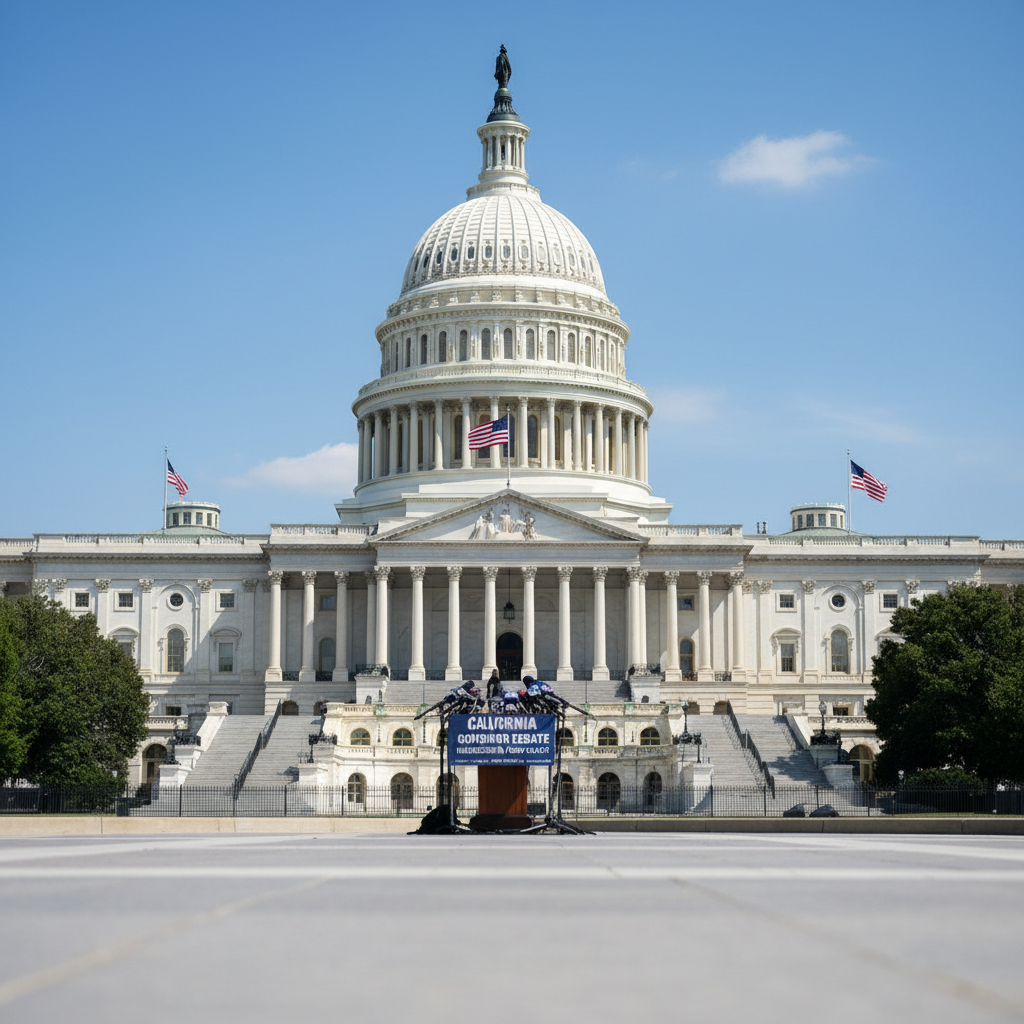
Eight California gubernatorial candidates met for a 90-minute debate at Pomona College's Bridges Auditorium on April 28, 2026, with healthcare funding, affordability, and the influence of President Donald Trump emerging as the central flashpoints of the night, according to CNN. The sharpest exchanges pitted former U.S. Health and Human Services Secretary Xavier Becerra against former Fox News host Steve Hilton over who bore responsibility for rising insurance costs — and whether fighting Trump or embracing his agenda was the right path forward for California.
The Details
The debate, hosted by CBS stations and confirmed by CNN, brought together eight candidates running to become California's next governor ahead of the June 2 primary. CBS Los Angeles reported that healthcare funding, the state's affordability pressures, and high gas prices ranked among the most debated topics of the evening.
Becerra, a Democratic candidate, placed the blame for unaffordable healthcare squarely on the federal government. "Had Trump allowed the premium tax credits under the Affordable Care Act to continue forward, millions of Californians would be able to afford their healthcare insurance," Becerra said, according to CBS Los Angeles. He argued that protecting Californians from future healthcare funding cuts required opposing President Trump directly.
USA Today reported that Becerra also tied the healthcare discussion to federal cuts enacted under a major Trump-backed spending and tax law signed last year, telling the audience that Californians were at risk of losing their insurance coverage because of those changes. In a pointed jab, Becerra linked Trump-endorsed Republican candidate Steve Hilton to the president. "The first thing we have to do is stop Steve Hilton's daddy," Becerra said, according to USA Today, framing the race as a choice between fighting Trump and aligning with him.
Hilton, the Republican candidate endorsed by Donald Trump, pushed back with a market-based rebuttal. "There's not enough competition in our health insurance system because rules made here in California prevent insurance companies actually competing," Hilton said, according to USA Today. He argued the state could lower healthcare costs by allowing more insurer competition, placing blame on Sacramento rather than Washington.
The healthcare clash extended to other candidates as well. CBS Los Angeles reported that San Jose Mayor and Democratic candidate Matt Mahan echoed Becerra's criticism of Trump-era tax cuts during the healthcare discussion. Riverside County Sheriff and Republican candidate Chad Bianco took a contrasting position, arguing that Californians should worry less about federal medical cuts given the state's economic size, according to CBS Los Angeles.
Beyond healthcare, the Los Angeles Times reported that the debate featured sharp exchanges over homeowners insurance, homelessness, and gas prices as the field tried to distinguish itself ahead of the June 2 primary.
Context
CNN described the gubernatorial field as unsettled entering the debate, with candidates still working to define their lanes after Representative Eric Swalwell exited the race earlier in April. The departure reshuffled Democratic positioning and left room for candidates like Becerra — a former state attorney general and HHS secretary — to consolidate support among voters most focused on federal healthcare policy.
California's June 2 primary operates under a top-two format, meaning the two highest vote-getters advance to the general election regardless of party affiliation, according to USA Today. That structure creates incentives for candidates to build broad coalitions rather than narrowly targeting base voters, and it sets up the possibility of a Democrat-versus-Democrat or Republican-versus-Republican November matchup depending on how the primary vote splits.
The debate underscored how much the race has been shaped by national politics. Hilton's endorsement by Trump has made him a flashpoint for Democratic candidates eager to nationalize the contest, while Republican candidates like Bianco have sought to redirect attention to California-specific governance failures.
What's Next
The June 2 California primary is the immediate next milestone for the eight-candidate field, with the top-two finishers advancing to the general election regardless of party, according to USA Today. Candidates will continue to compete for positioning in the weeks ahead as early voting gets underway.
CNN noted the field remains fluid following Swalwell's exit in April, leaving further realignment possible before primary day.
Never Miss a Signal
Get the latest breaking news and daily briefings from Zero Signal News directly to your inbox.