
India Settles Iranian Oil Payments in Chinese Yuan via ICICI Bank
Zero Signal Staff
Published April 17, 2026 at 6:23 AM ET · 182 days ago
Reuters
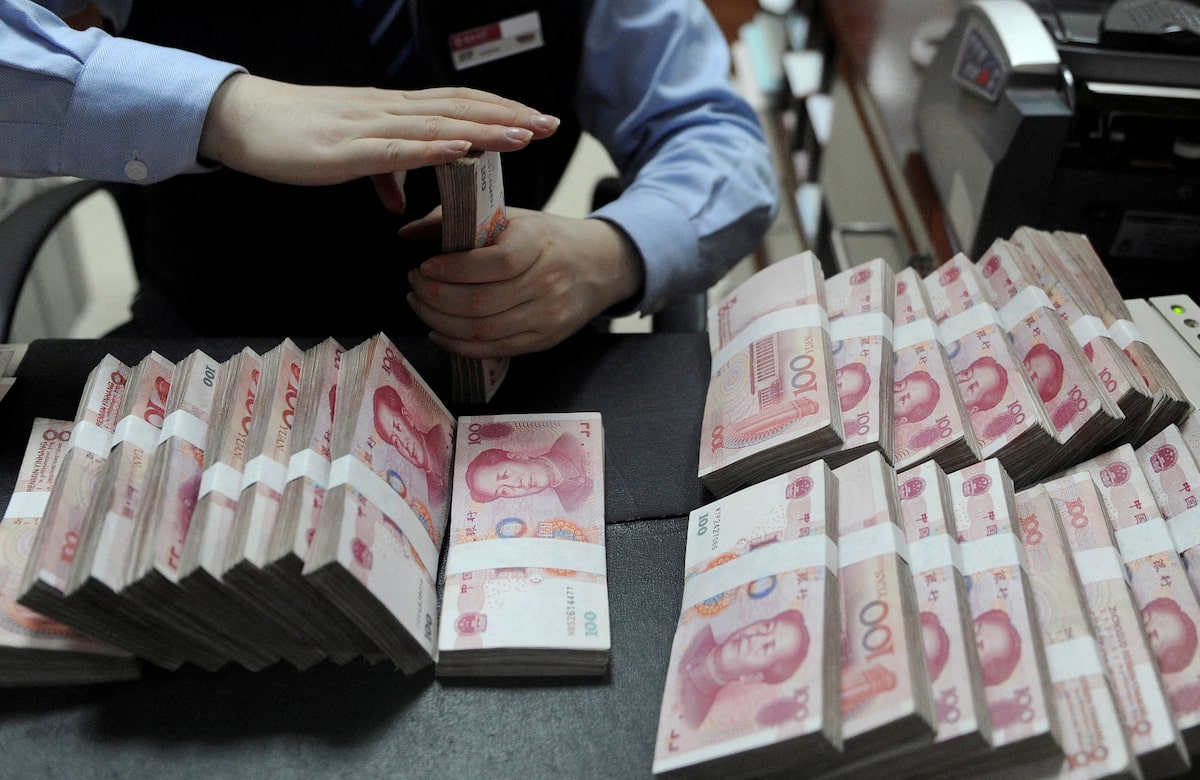
Indian oil refiners are utilizing the Chinese yuan to settle payments for Iranian crude imports through ICICI Bank, marking a significant shift in trade finance.
Indian oil refiners are utilizing the Chinese yuan to settle payments for Iranian crude imports through ICICI Bank, marking a significant shift in trade finance. This development follows India's resumption of Iranian oil imports for the first time in seven years under a temporary U.S. sanctions waiver. The move comes as New Delhi seeks to bypass dollar-denominated channels and stabilize its trade deficit amid escalating Middle East tensions.
The Details
According to sources cited by Reuters, ICICI Bank is facilitating the yuan-denominated transactions between Indian refiners and Iranian suppliers. This mechanism allows India to secure essential energy resources while avoiding the volatility and restrictions associated with the U.S. dollar. India's petroleum ministry has confirmed that refiners have secured their crude requirements, stating there are currently no payment hurdles for Iranian imports.
The resumption of these imports is evidenced by the arrival of two very large crude carriers (VLCCs) at Indian ports. These shipments were permitted under a temporary U.S. waiver issued in March 2026, intended to alleviate global supply shortages caused by the ongoing U.S.-Israel-Iran conflict and disruptions in the Strait of Hormuz. This waiver is set to expire on April 19.
Major industry players are already engaging in these transactions. Indian Oil Corp, the nation's top refiner, purchased Iranian oil from the vessel Jaya, which is under U.S. sanctions. Similarly, Reliance Industries has been authorized to acquire Iranian crude from multiple sanctioned vessels, including the Kaviz, Lenore, Felicity, and Hedy.
To further protect its economy, the Reserve Bank of India (RBI) has instructed oil refiners to cease purchasing dollars on the spot market. This directive aims to contain the trade deficit as the conflict in Iran drives up the cost of oil, gas, and fertilizer. In a related effort to curb the deficit, Indian banks have also halted import orders for gold and silver.
The transition to yuan reflects a broader trend in Iranian energy exports. Tehran increasingly prices its oil in yuan, and the China Cross-Border Interbank Payment System (CIPS) has become a primary channel for these trades. China currently absorbs over 80% of Iran's seaborne oil exports, with payments moving steadily away from the dollar.
Context
India is the world's third-largest oil importer and consumer, leaving its economy highly vulnerable to supply shocks and price surges. This sensitivity was highlighted in April 2026, when Brent crude climbed to approximately $104 per barrel following the collapse of U.S.-Iran peace talks—a nearly 40% increase since the start of the Middle East conflict.
Currency instability has further pressured the Indian economy. The rupee has been among the worst-performing Asian currencies in 2026, hitting a record low of 92.4750 against the U.S. dollar. These macroeconomic pressures have accelerated New Delhi's interest in non-dollar settlement systems to reduce dependency on the greenback.
India had not received a cargo of Iranian crude since May 2019, when the U.S. exerted significant pressure on the country to cease purchases. The current shift represents a pragmatic pivot based on commercial necessity and geopolitical reality, as the Indian Petroleum Ministry emphasizes full flexibility to source oil based on commercial considerations.
This shift is part of a larger global trend where the 'petrodollar' system—the practice of pricing oil in U.S. dollars—is facing systemic challenges. Iran has even begun imposing a toll regime on the Strait of Hormuz, with some vessels paying these fees in yuan, further formalizing Tehran's control over the critical waterway through non-dollar means.
What's Next
The immediate focus remains on the April 19 expiration of the U.S. sanctions waiver. Whether the U.S. extends this waiver or if India continues to utilize workaround channels like the yuan-ICICI pipeline will determine the stability of India's short-term energy security.
If sanctions are permanently lifted or a diplomatic breakthrough occurs in the rumored talks in Pakistan, the share of non-dollar-denominated oil sales could increase significantly. This would potentially accelerate the erosion of the dollar's dominance in global energy markets.
Analysts suggest that the continued use of the yuan for oil trades creates a precedent that other emerging economies may follow. As Edward Fishman of the Council on Foreign Relations notes, the petrodollar is at the heart of the dollar's dominance; therefore, any successful systemic alternative could signal a wider shift in the global financial order.
Source
https://www.reuters.comNever Miss a Signal
Get the latest breaking news and daily briefings from Zero Signal News directly to your inbox.