
Internal GOP Rifts Stall Housing, Aviation, and Tech Bills in Congress
Zero Signal Staff
Published April 10, 2026 at 6:14 AM ET · 1 day ago
Politico
Republican divisions between the House and Senate are blocking passage of multiple bills on housing affordability, aviation safety, and technology regulation, even as President Donald Trump has largely declined to intervene.
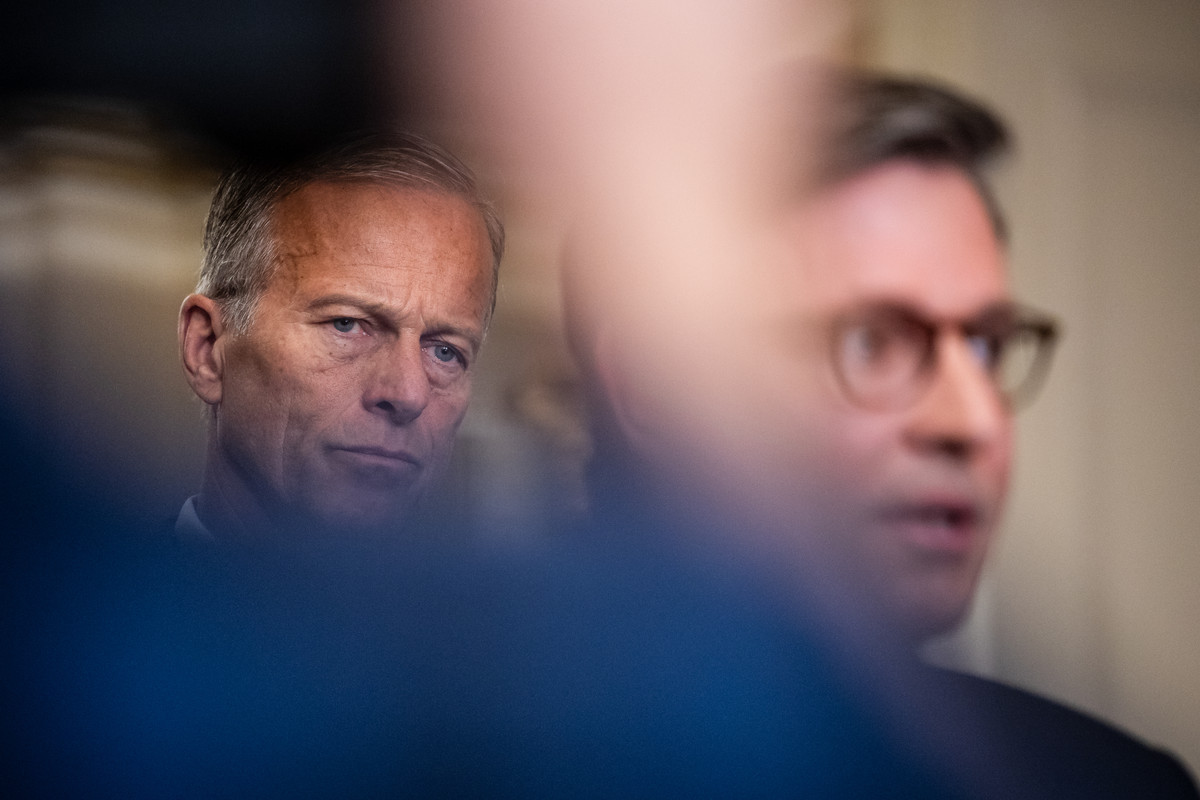
Republican divisions between the House and Senate are blocking passage of multiple bills on housing affordability, aviation safety, and technology regulation, even as President Donald Trump has largely declined to intervene. Senate Majority Leader John Thune and Speaker Mike Johnson remain publicly civil, but their chambers are locked in substantive policy disputes that have created a legislative backlog ahead of the midterm elections.
The most immediate clash involves housing legislation. The Senate passed a bill last month that includes a temporary ban on central bank digital currency and a provision restricting large investors from owning more than 350 homes. House Republicans, led by Financial Services Chair French Hill of Arkansas, oppose both provisions and passed their own housing bill in February with Democratic support. Hill and other House GOP members are pushing the two chambers toward a formal conference process, a step that could delay final passage by months while the Senate wants the House to simply accept its version.
Aviation safety legislation is similarly deadlocked. Senate Commerce Chair Ted Cruz of Texas backed a bill requiring advanced aircraft location-alerting technology, a measure that appeared headed for Trump's desk earlier this year. House Armed Services Chair Mike Rogers of Alabama and Transportation and Infrastructure Chair Sam Graves of Missouri then opposed the Senate bill, causing it to fail on the House floor in early April. The House chairs are advancing their own ALERT Act with a floor vote scheduled for Tuesday, April 15. Major aviation labor groups have warned that the House bill's alternative technology would not have prevented last year's deadly crash near Ronald Reagan Washington National Airport.
College sports and technology regulation present additional stalemates. House Republicans pushed the SCORE Act last year to create new standards for compensating student athletes and provide antitrust exemptions, but the bill is dead on arrival in the Senate, where Cruz and Sen. Maria Cantwell, the top Commerce Committee Democrats, say it lacks sufficient support. On artificial intelligence and children's online safety, the House GOP wants to codify a Trump executive order creating a national AI rulebook, while some Senate Republicans worry the president's plan could override state-level regulations. The Senate passed a privacy bill by unanimous consent, but the House has not taken it up and is instead pursuing a separate package without key Senate provisions.
Trump has kept his distance from most of these disputes, according to officials familiar with his approach. The one exception is college sports legislation, where Trump has issued multiple executive orders on the topic—but his involvement has only intensified intraparty divisions rather than resolved them. With lawmakers returning to Washington next week and the pre-midterm legislative calendar shrinking, leaders are eyeing action on at least one party-line budget reconciliation bill, a time-consuming process that will make consensus on these pending items even harder to reach.
Context
Intraparty gridlock within the majority has become a recurring obstacle to legislative productivity in recent Congresses. Unlike partisan disputes—such as the nearly two-month shutdown of the Department of Homeland Security—internal GOP conflicts directly prevent bills from advancing even when Republicans control both chambers. The aviation safety bill's failure on the House floor in early April marked a rare instance of a measure backed by a Senate committee chair losing support from House committee leadership of the same party.
Housing affordability has emerged as a central pre-midterm political issue, with cost-of-living concerns dominating voter sentiment heading into the 2026 elections. The Senate's inclusion of provisions on digital currency and investor home ownership reflects an attempt to bundle housing relief with broader financial and market-regulation priorities, a strategy that has backfired by alienating House Republicans who view those provisions as unrelated to the core affordability challenge.
What's Next
The House floor vote on the ALERT Act scheduled for Tuesday will signal whether House Republicans can move forward unilaterally on aviation safety or whether Senate Republicans will block final passage. More broadly, the failure to resolve these disputes before the budget reconciliation process begins will likely consume weeks that could otherwise address housing, aviation, and tech regulation, pushing all three issues closer to the midterm elections in November 2026 with minimal legislative progress. If Trump continues to avoid intervention, each chamber will likely advance its preferred versions independently, forcing either a last-minute conference negotiation or allowing bills to expire without resolution.
Never Miss a Signal
Get the latest breaking news and daily briefings from Zero Signal News directly to your inbox.