
Iran Declares Permanent Hormuz Control Plan, Threatens Gulf Ports If Its Facilities Are Targeted
Zero Signal Staff
Published April 13, 2026 at 6:06 AM ET · 16 hours ago
Reddit r/worldnews
An Iranian Armed Forces spokesperson announced on Monday, April 7, 2026, that Iran will establish a permanent mechanism to control the Strait of Hormuz and warned that no port in the Arabian Gulf or Gulf of Oman would remain secure if Iranian ports...
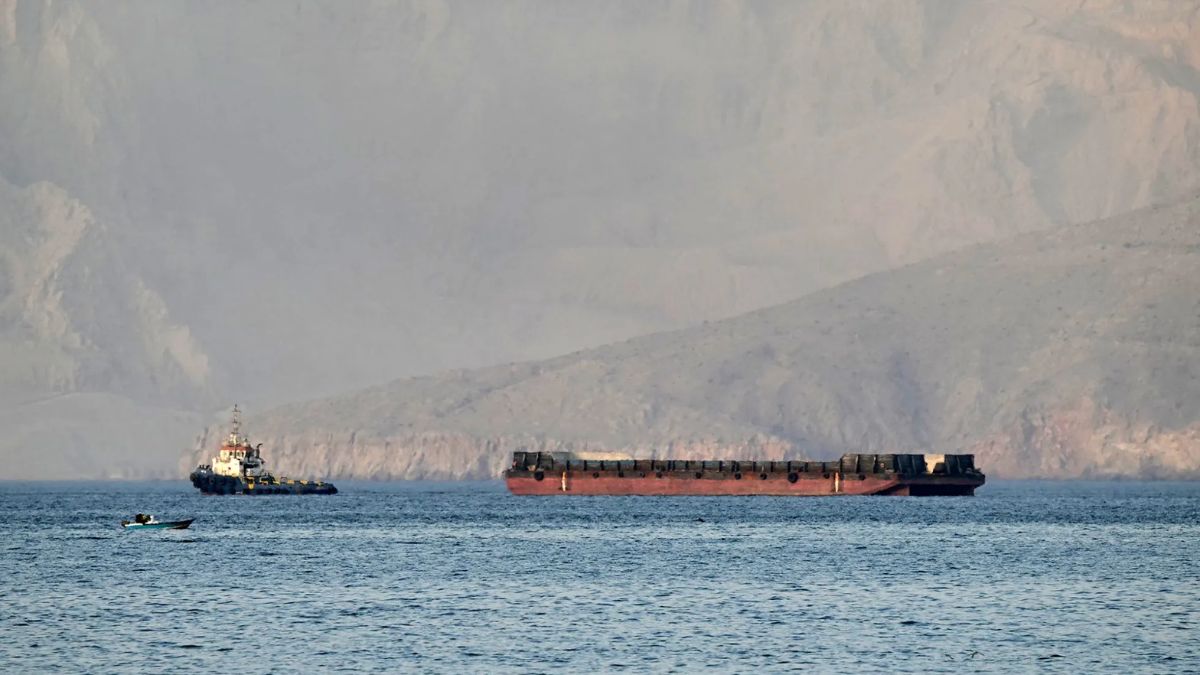
An Iranian Armed Forces spokesperson announced on Monday, April 7, 2026, that Iran will establish a permanent mechanism to control the Strait of Hormuz and warned that no port in the Arabian Gulf or Gulf of Oman would remain secure if Iranian ports face attack or blockade. The statement represents the most explicit Iranian assertion of control over the world's most critical energy chokepoint since a ceasefire was announced on April 8.
The Iranian spokesperson characterized U.S. restrictions on vessels in international waters as "piracy" under maritime law and framed Iran's planned IRGC control system as a legitimate sovereign response to American illegality. The declaration shifts Iran's posture from implicit, reactive measures—such as permission requirements and selective passage fees—to an explicitly stated permanent strategic objective that Iran intends to maintain regardless of ceasefire outcomes or final agreements.
The statement follows the collapse of U.S.-Iran peace talks in Islamabad led by Vice President JD Vance. Vance stated on April 12 that "Iranians Decided Not to Accept Our Terms," citing Iranian rejection of U.S. demands to end uranium enrichment, open the Strait of Hormuz, and halt funding to Hamas and Hezbollah. The White House had previously denied reports of an agreement to unfreeze Iranian assets held in Qatar and other banks.
Context
The Strait of Hormuz handles approximately one-third of global seaborne oil trade and remains one of the world's most strategically vital waterways. Iran has periodically threatened to close or restrict passage through the strait during previous regional tensions, though it has never implemented a permanent control mechanism. The current Iranian position represents an escalation from previous posturing by institutionalizing control as a stated permanent feature of the regional order rather than a temporary response to immediate conflict.
The Iranian framing of U.S. maritime restrictions as "piracy" invokes international maritime law, which defines piracy as acts of violence, detention, or plunder committed for private ends on the high seas. By applying this term to U.S. government actions, Iran is attempting to reframe the legal and moral standing of both sides' conduct—a rhetorical maneuver that reflects the fundamental disagreement between Washington and Tehran over what constitutes lawful navigation in international waters.
What's Next
The Iranian declaration creates a direct linkage between the security of Iranian port facilities and the accessibility of Gulf ports, establishing a trigger mechanism for broader maritime disruption. If Iran perceives threats to its own ports—whether through military action, sanctions enforcement, or blockade—it has now publicly committed to making all Gulf maritime commerce unsafe, not merely restricting the Strait itself. This doctrine will likely shape how regional powers, shipping insurers, and energy markets assess risk in the coming weeks. The next critical juncture will be whether the ceasefire announced April 8 holds and whether follow-up negotiations address Iran's stated intention to institutionalize Hormuz control or attempt to constrain it.
Never Miss a Signal
Get the latest breaking news and daily briefings from Zero Signal News directly to your inbox.