
Israel and Lebanon Agree to 10-Day Ceasefire as Trump Pushes for Historic Peace Talks
Zero Signal Staff
Published April 16, 2026 at 5:33 PM ET · 183 days ago
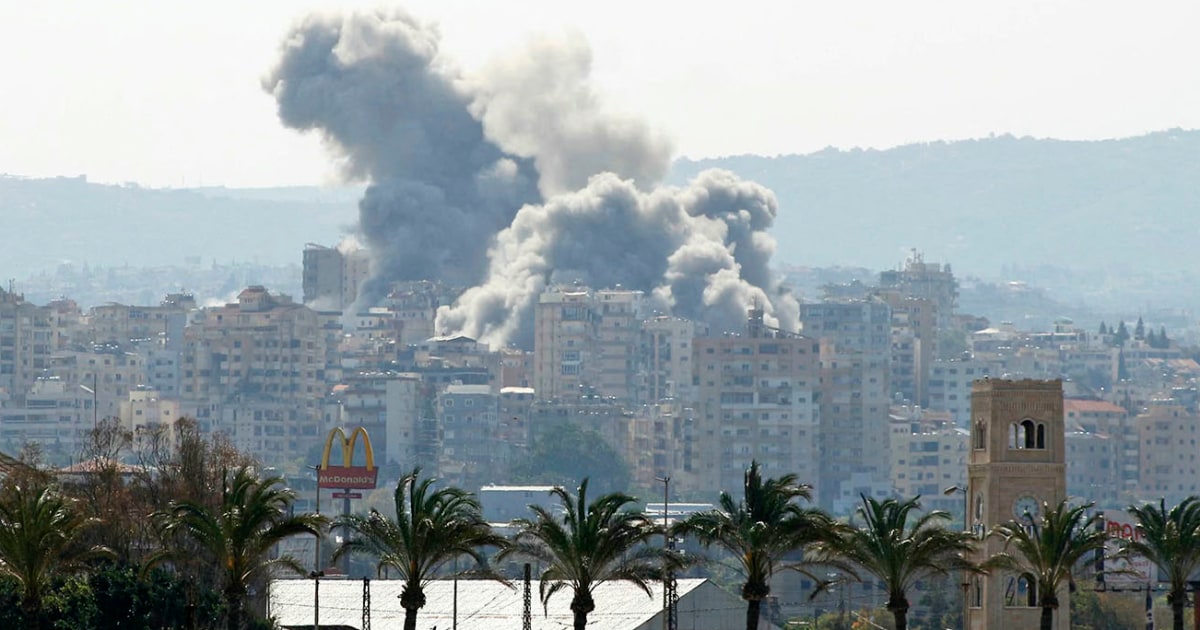
NBC News
President Donald Trump announced Wednesday that Israel and Lebanon have agreed to a 10-day ceasefire beginning at 5 p.m. EST, marking the first negotiated pause in hostilities between the two countries in weeks.
President Donald Trump announced Wednesday that Israel and Lebanon have agreed to a 10-day ceasefire beginning at 5 p.m. EST, marking the first negotiated pause in hostilities between the two countries in weeks. The deal was brokered through separate Trump conversations with Israeli Prime Minister Benjamin Netanyahu and Lebanese President Joseph Aoun, setting the stage for direct talks at the White House—the first meaningful face-to-face negotiations between Israeli and Lebanese leaders since 1983. Both sides will enter good-faith discussions facilitated by the United States, though critical terms remain contested.
The Details
Trump announced the ceasefire via his social media account, stating on Wednesday that "Both sides want to see peace, and I believe that will happen, quickly." The 10-day window begins at midnight Israel time (5 p.m. EST Wednesday) and includes a clause permitting extension by mutual agreement if both countries demonstrate progress and Lebanon effectively asserts sovereignty over its territory.
Netanyahu issued a video statement confirming Israel's participation but emphasized a key condition: Israel will not withdraw from southern Lebanon. Instead, Netanyahu said Israel is "remaining in Lebanon in an expanded security zone," maintaining a buffer zone stretching 10 kilometers into Lebanese territory. Netanyahu framed the ceasefire as "an opportunity to make a historic peace agreement with Lebanon," citing concerns about what he called a danger of invasion.
Hezbollah, the Iran-backed militia that has conducted much of the fighting from Lebanese soil, was not part of the negotiations. A senior Hezbollah official told NBC News that the group would consider the ceasefire only "if Israel is fully committed to a complete cessation of hostilities." After the announcement, Hezbollah released a statement asserting that "the presence of Israeli troops in Lebanese territory grants the Lebanese the right to resist," signaling its conditional stance on ceasefire compliance.
Lebanese Prime Minister Nawaf Salam welcomed the agreement on social media, writing "I congratulate all Lebanese on this achievement," and described the ceasefire as Lebanon's "primary goal" in Tuesday's Washington meeting. However, the Lebanese Army issued a warning to civilians, urging them to avoid returning to southern villages and to stay away from "areas where Israeli occupation forces have advanced."
In a notable procedural detail, Israel's security cabinet did not vote on the ceasefire deal. According to Israeli media reports, government ministers were not informed before Trump's announcement and learned of the agreement through news coverage. The U.S. State Department statement specified that Lebanon must "take meaningful steps" to prevent Hezbollah attacks on Israel, while Israel "shall preserve its right to take all necessary measures in self-defense, at any time, against planned, imminent, or ongoing attacks." This language preserves Israel's unilateral ability to resume military action if it determines threats warrant response.
The humanitarian toll of the conflict has been severe. Lebanese authorities report more than 2,100 deaths and over 1 million displaced persons since hostilities began last month. Israel reports 21 deaths on its side since the outbreak of wider conflict with Iran.
Context
Hostilities between Israel and Hezbollah in Lebanon began last month following a dramatic escalation in the U.S.-Israel conflict with Iran. On February 28, 2026, the United States and Israel launched Operation Epic Fury against Iran. In response, Hezbollah fired rockets into Israeli territory, prompting Israel to launch a sustained bombing campaign against the militia and establish a security perimeter in southern Lebanon. Hezbollah, designated as a terrorist organization by the United States and backed by Tehran, has served as Iran's primary proxy force in the conflict.
For decades prior, Israel had sought to degrade Hezbollah's military capacity. In 2024, Israel conducted operations that severely diminished the group's leadership and operational capability, including the coordinated pager and walkie-talkie attack Operation Grim Beeper and the assassination of longtime Hezbollah leader Hassan Nasrallah. Those operations weakened Hezbollah's command structure, though the organization remained capable of sustaining rocket fire and cross-border attacks.
The ceasefire was brokered against the backdrop of broader U.S. diplomatic efforts. Trump had announced a two-week ceasefire agreement with Iran the previous week, but tensions emerged when Iran complained that Israel's continued attacks in Lebanon violated the Iran ceasefire terms. The U.S. and Israel countered that the Iran agreement did not cover Lebanon, and that Israeli military operations there were independent of the Iran deal. Iran's top negotiator Mohammad Bagher Ghalibaf responded by emphasizing that a Lebanon ceasefire was "as important as a ceasefire in Iran" and that Tehran had been seeking a comprehensive pause across all conflict zones.
The first direct diplomatic contacts between Israeli and Lebanese officials in 34 years took place in Washington on April 14, facilitated by U.S. Secretary of State Marco Rubio. Notably, Lebanese President Joseph Aoun declined to speak directly with Netanyahu, instead conducting his ceasefire discussion with Trump while Trump separately negotiated the terms with the Israeli prime minister.
What's Next
Trump has invited both Netanyahu and Aoun to the White House for what he described as the first meaningful direct talks between Israeli and Lebanese leaders since 1983. The timing and agenda for these talks remain unclear, though both leaders have accepted the invitation. The 10-day ceasefire creates a narrow window for progress on underlying political questions: whether Lebanon can assert control over Hezbollah and southern territory, and whether Israel will withdraw from its established security zone.
The ceasefire's durability depends on several uncertain factors. Hezbollah has not explicitly endorsed the agreement and has signaled it will evaluate compliance based on Israeli actions. It remains unclear whether the militia will honor a ceasefire brokered without its participation, or whether it will resume attacks if it perceives Israeli breaches. Additionally, the unresolved question of whether the Lebanon ceasefire is part of or separate from the Iran agreement could create diplomatic friction, as Iran and its allies continue to argue that Lebanon should have been included in the Iran terms.
If the initial 10-day period passes without major violations, the deal allows for mutual extension. However, any significant military action by either side—or a resumption of Hezbollah rocket fire—could collapse the agreement and return the region to open conflict. The White House talks, should they occur, will likely focus on Lebanon's ability and willingness to curb attacks from its territory and the terms under which Israeli forces might eventually withdraw from southern Lebanon.
Never Miss a Signal
Get the latest breaking news and daily briefings from Zero Signal News directly to your inbox.