
Israel and Lebanon Begin 10-Day Trump-Brokered Ceasefire Amid Reported Violations
Zero Signal Staff
Published April 17, 2026 at 6:35 PM ET · 182 days ago
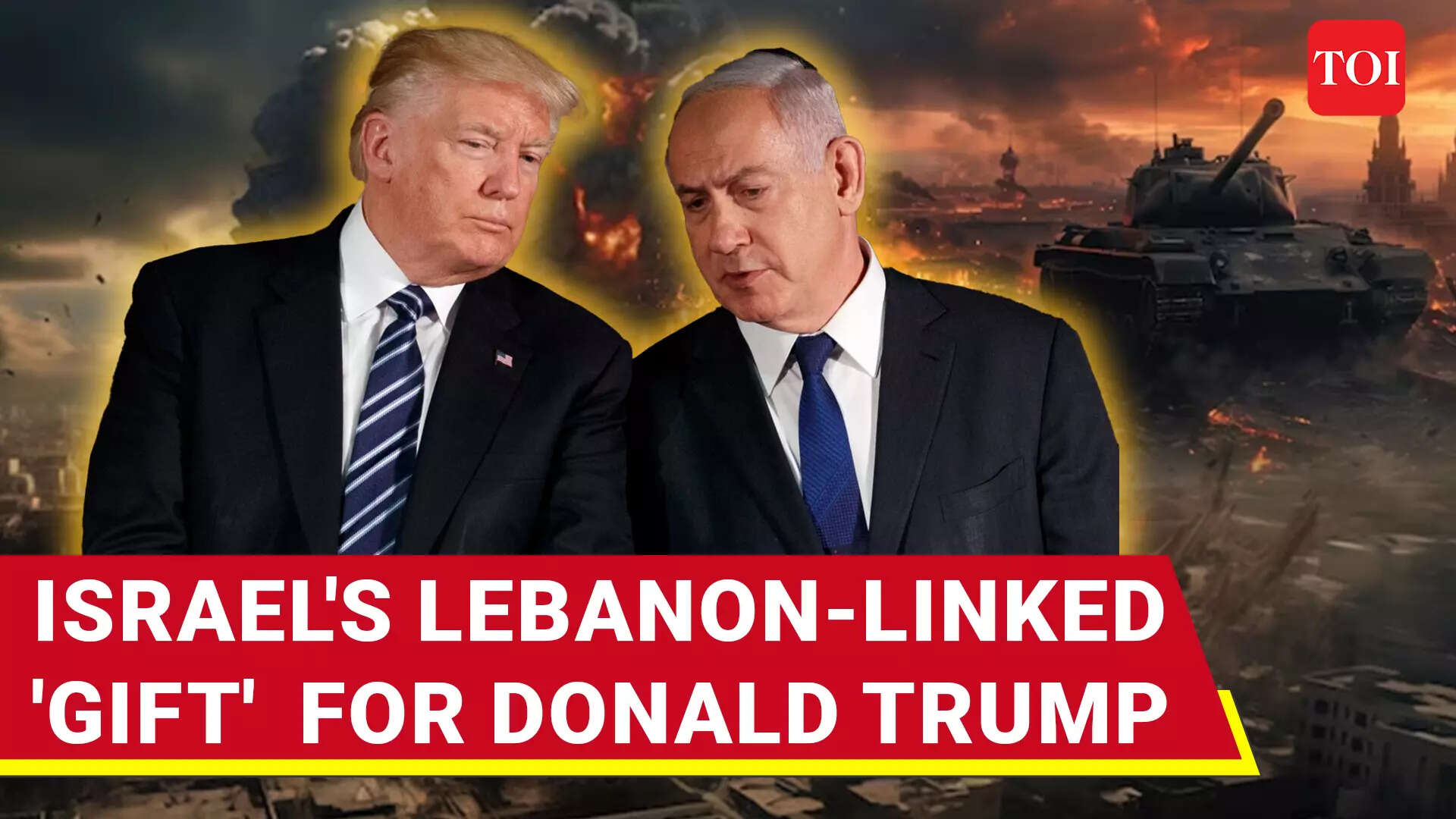
Al Jazeera / NPR / CNBC
A 10-day ceasefire between Israel and Lebanon took effect at 21:00 GMT on April 16, following diplomatic intervention by U.S. President Donald Trump.
A 10-day ceasefire between Israel and Lebanon took effect at 21:00 GMT on April 16, following diplomatic intervention by U.S. President Donald Trump. While the truce aims to halt six weeks of intense fighting, the Lebanese military reported several violations on the first day, including Israeli shelling of villages. The agreement follows direct negotiations in Washington on April 14, though Hezbollah was notably absent from those talks.
The Details
The ceasefire was announced by President Trump after separate phone calls with Israeli Prime Minister Benjamin Netanyahu and Lebanese President Joseph Aoun. According to terms released by the U.S. State Department, Israel is prohibited from conducting offensive military operations but retains the right to take necessary measures in self-defense against imminent or ongoing attacks.
A central pillar of the agreement is the requirement that the only forces authorized to bear arms in Lebanon be the Lebanese Armed Forces and official security forces. The text explicitly recognizes the challenges posed by non-state armed groups, whose activities must be curtailed to maintain the truce.
Prime Minister Benjamin Netanyahu stated that Israel will maintain a 10-kilometer-deep security buffer zone in southern Lebanon reaching the Syrian border for the duration of the ceasefire. He emphasized that the disarmament of Hezbollah remains a primary demand and confirmed that Israeli troops would not withdraw beyond the border during this period.
Despite the formal agreement, the Lebanese military reported multiple Israeli attacks and intermittent shelling of villages on Friday, April 17. In response, the army warned citizens to exercise caution before returning to southern towns. Concurrently, Israeli military spokesperson Avichay Adraee urged residents of southern Lebanon to remain north of the Litani River, stating that forces are maintaining positions to counter ongoing activities by Hezbollah.
Within Israel, the ceasefire has met with domestic friction. Reports indicate that Israel's security cabinet did not vote on the agreement during a final meeting, with ministers learning of the truce via media reports. Opposition leader Yair Lapid criticized the deal, arguing it fails to provide permanent security for northern settlements.
Hezbollah has reacted with caution. Politician Ali Fayyad stated the group is approaching the truce with 'vigilance,' warning that any Israeli targeting of Lebanese sites would be considered a breach. Hezbollah has demanded the ceasefire apply across all Lebanese territory, asserting that a continued Israeli military presence on their soil grants them the right to resist.
Context
The current conflict began on February 28, 2026, when Hezbollah launched rockets into northern Israel following joint U.S.-Israeli strikes on Iran. This escalation lasted approximately six weeks, resulting in at least 2,196 deaths in Lebanon and the displacement of over one million people. Lebanese officials report that more than 40,000 homes in the south have been destroyed.
This truce is situated within a broader regional effort to resolve the U.S.-Israel war on Iran. President Trump has indicated that the larger conflict is near its end, with new negotiations with Iran potentially occurring the following weekend. This diplomatic push includes the reopening of the Strait of Hormuz for commercial shipping, although the U.S. naval blockade of Iran remains in place.
Historically, similar agreements have struggled to hold. A 2024 ceasefire in Lebanon saw over 10,000 violations recorded by UN peacekeepers, the majority of which were attributed to Israeli forces.
What's Next
The immediate focus remains on whether the 10-day window can be extended into a permanent peace agreement. President Trump has tasked Vice President JD Vance, Secretary of State Marco Rubio, and Joint Chiefs Chairman Dan Caine with working toward a 'lasting peace' between the two nations.
Attention will now turn to the disarmament of Hezbollah, a non-negotiable demand for the Israeli government. If Hezbollah continues to reject the terms or if Israeli 'self-defense' operations are viewed as offensive by Lebanon, the truce could collapse quickly, potentially leading to a resumption of full-scale hostilities or internal Lebanese civil strife.
International observers, including UN Secretary-General António Guterres, are calling for full respect of the terms to facilitate long-term negotiations.
Never Miss a Signal
Get the latest breaking news and daily briefings from Zero Signal News directly to your inbox.