
Labour Dissent Grows as Nearly 40 MPs Demand Starmer Set Departure Timetable
Zero Signal Staff
Published May 11, 2026 at 11:14 PM ET · 153 days ago
BBC News / Reuters / The Guardian
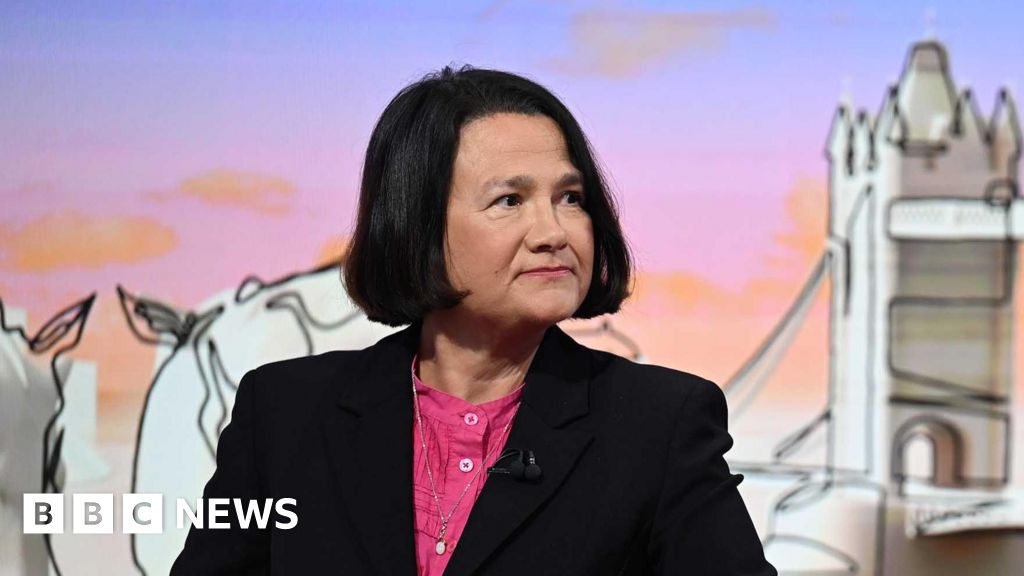
Labour MP Catherine West says she is collecting signatures from parliamentary colleagues to demand Prime Minister Keir Starmer establish a timetable for electing a new leader in September.
Labour MP Catherine West says she is collecting signatures from parliamentary colleagues to demand Prime Minister Keir Starmer establish a timetable for electing a new leader in September. The move comes as internal opposition to his leadership intensifies following catastrophic local election results. BBC News reported that nearly 40 Labour MPs had urged Starmer either to resign immediately or set out a timetable for his departure. A BBC Newscast report on 11 May also stated that more Labour MPs had called for Starmer to step down and that dozens were urging him either to resign immediately or set a timetable for departure.
The Details
West, who had previously considered launching an immediate leadership challenge according to BBC News, pulled back from that approach and instead opted to organise a coordinated call for an orderly transition. In a statement, she said: "I am hereby giving notice to No 10 that I am collecting names of Labour MPs to call on the prime minister to set a timetable for the election of a new leader in September." She added: "What is best for the party and country now is for an orderly transition."
The scale of publicly declared opposition has grown quickly. Reuters reported on 10 May that approximately 30 Labour MPs had publicly voiced opposition to Starmer's leadership. By 11 May, BBC Newscast reported that the figure had risen to nearly 40 MPs. The publicly identified scale of opposition varies across reports, with Reuters citing about 30 MPs as of 10 May and BBC citing nearly 40 by 11 May.
Starmer has publicly rejected calls to step down. In an interview with the Observer cited by Reuters, he said: "I'm not going to walk away from the job I was elected to do in July 2024. I'm not going to plunge the country into chaos." He described his government as a "10-year project" despite calls for him to quit after heavy local election losses.
The rebellion follows severe results for Labour in the 2026 local elections. The Guardian reported that senior Labour MPs were pressing Starmer to agree a dignified departure timetable after the party lost control of more than 25 councils and more than 1,000 council seats in England. Additional setbacks were recorded in Wales, according to the same report.
Context
Under Labour Party rules, a formal leadership challenge requires the backing of 20 percent of Labour MPs. Reuters reported that 81 MPs would be needed to trigger a formal leadership challenge under party rules. With the parliamentary party currently numbering 405 lawmakers, that threshold stands at 81 MPs. The reported figure of nearly 40 MPs urging Starmer's departure falls short of the number required to trigger a formal contest, but represents a significant and growing faction within the parliamentary party.
BBC News reported that some Labour MPs have discussed Andy Burnham, the mayor of Greater Manchester, as a possible successor to Starmer. However, Burnham is not currently a member of Parliament and would need to secure a Westminster seat to be eligible to contest the leadership.
The current pressure campaign marks a notable escalation in internal dissent, coming less than a year after Labour's landslide general election victory in July 2024. The severe council results in England and Wales are widely seen within the party as the catalyst for the current unrest, with major council strongholds falling to opposition parties.
What's Next
The immediate focus will be on whether the number of MPs supporting a leadership challenge approaches the 81-lawmaker threshold required to trigger a formal contest. West's campaign to collect names is ongoing, and the speed at which further MPs declare support may determine whether the pressure forces Starmer to agree to a departure timetable.
The prime minister has given no indication he intends to step down or accelerate a leadership election. His framing of the government as a "10-year project" suggests he plans to resist calls to depart.
If the number of dissenting MPs stalls below the threshold for a formal challenge, Starmer may seek to weather the crisis without agreeing to a departure date. Conversely, continued defections could force a reassessment of his position and increase the likelihood of an orderly leadership transition in the autumn.
Never Miss a Signal
Get the latest breaking news and daily briefings from Zero Signal News directly to your inbox.