
Labour Internal Discontent Grows But Keir Starmer Maintains Grip On Leadership
Zero Signal Staff
Published April 22, 2026 at 5:18 PM ET · 157 days ago
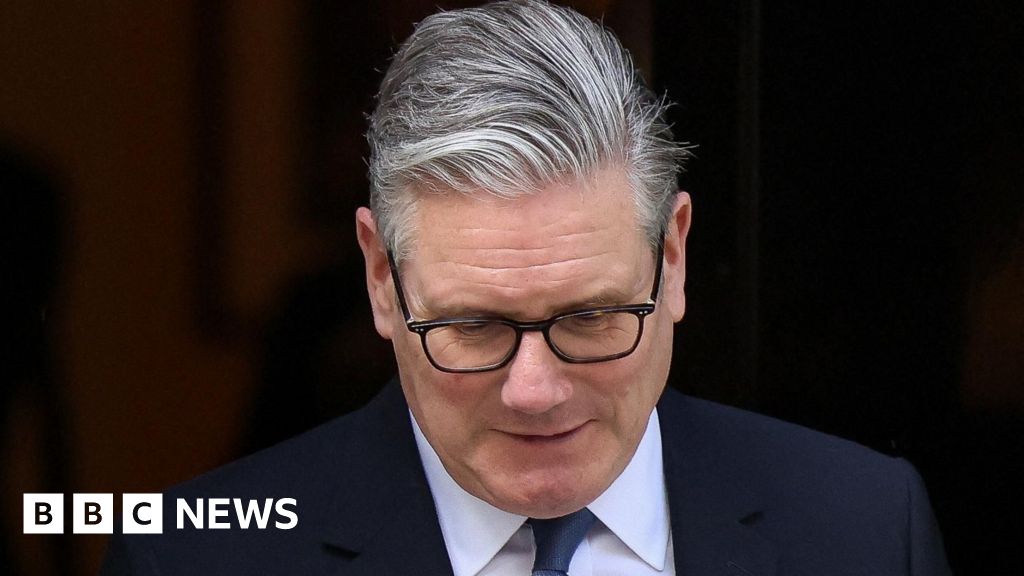
BBC News
A growing number of Labour MPs are expressing frustration with Keir Starmer's leadership and strategic direction. Despite this internal friction, there is currently no coordinated effort to remove the Prime Minister from power.
A growing number of Labour MPs are expressing frustration with Keir Starmer's leadership and strategic direction. Despite this internal friction, there is currently no coordinated effort to remove the Prime Minister from power. The party remains cautious about initiating a leadership challenge that could risk stability ahead of critical legislative deadlines.
The Details
Sources within the Parliamentary Labour Party suggest that discontent is centered on Starmer's approach to policy implementation and his perceived rigidity in management. Some MPs argue that the shift toward the center has alienated core supporters and left certain policy promises unfulfilled. These critics believe a more inclusive approach to decision-making is necessary to maintain party unity.
However, the threshold for a formal leadership challenge remains high. Most disgruntled MPs acknowledge that Starmer continues to command a significant majority of support within the party. The fear of a protracted internal battle is weighing heavily on those who might otherwise seek a change in leadership, as it could project an image of chaos to the electorate.
Internal polls and private conversations indicate that while Starmer's personal popularity among backbenchers has dipped, he is still viewed as the most viable option for maintaining government control. The party is currently prioritizing the delivery of its manifesto pledges over internal ideological disputes.
Some factional leaders have attempted to voice their concerns through private channels and committee meetings rather than public declarations. This cautious approach is designed to signal dissatisfaction without providing an opening for political opponents to exploit party divisions.
Starmer's team has responded by emphasizing the need for discipline and stability. They argue that the challenges facing the country require a steady hand and a unified party, suggesting that minor internal disagreements are a natural part of governing a broad coalition.
Context
Keir Starmer ever since taking over the Labour leadership has navigated a difficult balance between the party's left wing and the necessity of appealing to a broader center-ground electorate. His tenure has been marked by a systemic purge of some of the party's more radical elements, a move that secured the party's viability for general elections but left deep scars among the membership.
The current tension reflects a recurring theme in Labour's internal dynamics: the struggle between ideological purity and pragmatic governance. As the government moves from the honeymoon phase into the rigorous process of legislative delivery, the gap between campaign rhetoric and governing reality often becomes a focal point for dissent.
Historically, Labour leadership challenges have often been triggered by a sudden collapse in polling or a catastrophic policy failure. While current sentiment is lukewarm, the lack of a catastrophic catalyst has prevented the transition from general unhappiness to a focused rebellion.
What's Next
Observers will be watching for the next set of internal party polls and the outcomes of upcoming departmental reviews to see if the discontent hardens into a structured movement. Any sign of a significant slip in public approval for the government could provide the necessary leverage for dissatisfied MPs to move beyond private complaints.
Starmer is expected to engage in a series of targeted meetings with key backbenchers in the coming weeks to address grievances and recalibrate certain policy directions. These 'listening exercises' are a standard tactic to neutralize potential rebels before they can organize.
Ultimately, the stability of Starmer's leadership depends on his ability to deliver visible wins for the public. If the government can demonstrate tangible progress on its key priorities, the noise from the backbenches is likely to be relegated to the background.
Never Miss a Signal
Get the latest breaking news and daily briefings from Zero Signal News directly to your inbox.