
Lebanon's President Aoun Declares Country 'No Longer a Pawn' as Israel Ceasefire Takes Hold
Zero Signal Staff
Published April 17, 2026 at 5:35 PM ET · 182 days ago
BBC and Al Jazeera
Lebanese President Joseph Aoun declared Friday that Lebanon will no longer serve as a 'pawn' or an 'arena' for foreign wars following the implementation of a 10-day ceasefire with Israel.
Lebanese President Joseph Aoun declared Friday that Lebanon will no longer serve as a 'pawn' or an 'arena' for foreign wars following the implementation of a 10-day ceasefire with Israel. In a televised address, Aoun called for a transition from the temporary truce to permanent agreements designed to preserve national sovereignty and territorial unity. The ceasefire follows six weeks of intense conflict that has left thousands dead and millions displaced.
The Details
During his Friday address, President Aoun outlined a set of definitive objectives for the Lebanese state. These include the complete cessation of Israeli aggression, the total withdrawal of Israeli forces from Lebanese land, and the extension of state authority over all national territory using the Lebanon's own security forces. Aoun also emphasized the necessity of ensuring the return of prisoners and the safe return of displaced families to their homes and villages.
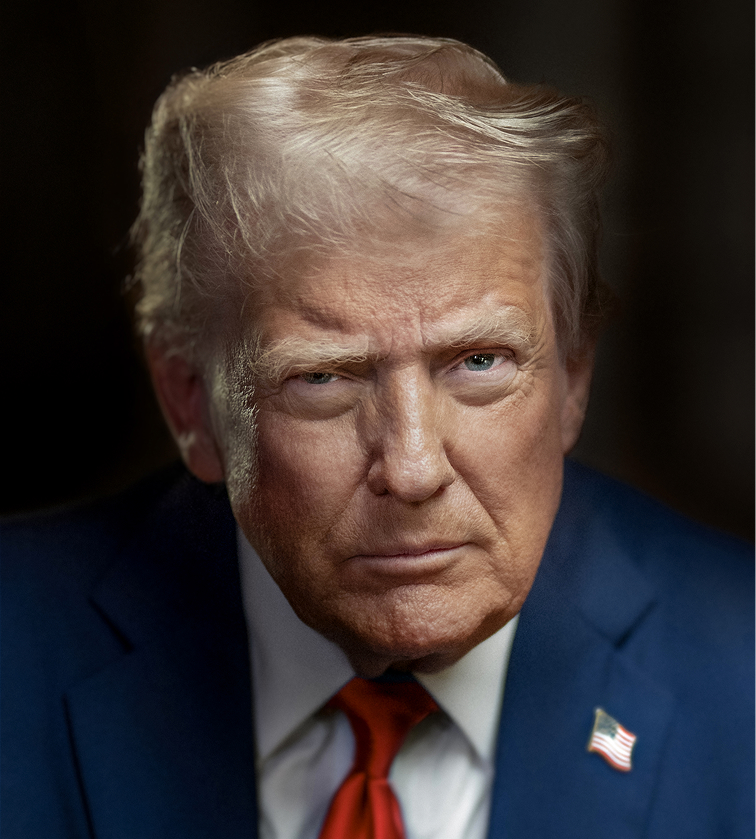
The 10-day ceasefire was announced by US President Donald Trump on Thursday, April 16, and took effect at midnight local time. The terms, as detailed by the US State Department, state that Lebanon's security forces hold exclusive responsibility for the nation's security and that Lebanon must take 'meaningful steps' to prevent Hezbollah and other armed groups from targeting Israel. The truce may be extended by mutual agreement, though Israel retains the right to self-defense against imminent attacks.
However, the truce is marked by significant friction. Israeli Prime Minister Benjamin Netanyahu stated that Israeli troops will maintain a 10km-deep security zone in southern Lebanon and will not withdraw during the ceasefire period, asserting, 'We are there, and we are not leaving.' Netanyahu further clarified that he did not agree to Hezbollah's primary conditions of a total Israeli withdrawal or a 'quiet for quiet' arrangement.
Hezbollah has signaled a willingness to participate but maintains its own set of demands. Senior leader Wafiq Safa told the BBC that a 'real' ceasefire and full Israeli withdrawal must occur before any discussion of disarmament. This creates a structural tension, as the ceasefire is technically between the state of Lebanon and Israel, rather than a direct agreement with Hezbollah.
Reports on the ceasefire's internal politics in Israel suggest a rushed process. Israeli media indicated that the security cabinet was convened with only five minutes' notice before the announcement, and ministers were not given a vote on the decision.
Context
The current conflict began on March 2, 2026, after Hezbollah fired rockets into Israel. Hezbollah cited the February 2026 assassination of Iran's Supreme Leader Ayatollah Ali Khamenei during US-Israeli strikes on Tehran as the catalyst. The ensuing six weeks of warfare have been devastating; the Lebanese health ministry reports at least 2,196 deaths, including 260 women and 172 children, with more than 1.2 million people displaced. Satellite analysis shows that approximately 37,000 homes were damaged or destroyed, including more than 1,400 buildings completely leveled.
This instability follows a pattern of fragile peace. A previous ceasefire in November 2024 was characterized by near-daily cross-border strikes and eventually failed. President Aoun, a former army chief, has long advocated for a 'state monopoly on arms' to disarm Hezbollah, though he has cautioned that attempting to do so by force could trigger a civil war.
Regional reactions have been mixed. While European nations, Canada, and the UN criticized Israel's plans for a security zone—which the Lebanese defense minister called a 'clear intention to impose a new occupation'—other regional players have assisted in the diplomatic process. President Aoun specifically thanked US President Donald Trump and the Kingdom of Saudi Arabia for their roles in ending the hostilities.
What's Next
Diplomatic efforts are now shifting toward a potential summit in Washington. President Trump has indicated he will invite both President Aoun and Prime Minister Netanyahu to the White House for talks within the next two weeks. These meetings are seen as a critical opportunity to move beyond the 10-day truce and negotiate a more permanent peace agreement.
The immediate future depends on whether the 10km security zone becomes a permanent fixture or a point of renewed escalation. With Israel having destroyed the last bridge linking southern Lebanon to the rest of the country on Thursday, the region remains physically and politically isolated, complicating the planned return of displaced civilians.
Simultaneously, the international community will be watching the Strait of Hormuz. Iran's Foreign Minister Abbas Araghchi announced the strait has been 'declared completely open' in connection with the ceasefire, a move that could signal a broader regional cooling of tensions if the Lebanese truce holds.
Never Miss a Signal
Get the latest breaking news and daily briefings from Zero Signal News directly to your inbox.