
Markets Slide as US-Iran Ceasefire Talks Falter and Vance Cancels Pakistan Trip
Zero Signal Staff
Published April 22, 2026 at 12:50 AM ET · 158 days ago
AP News
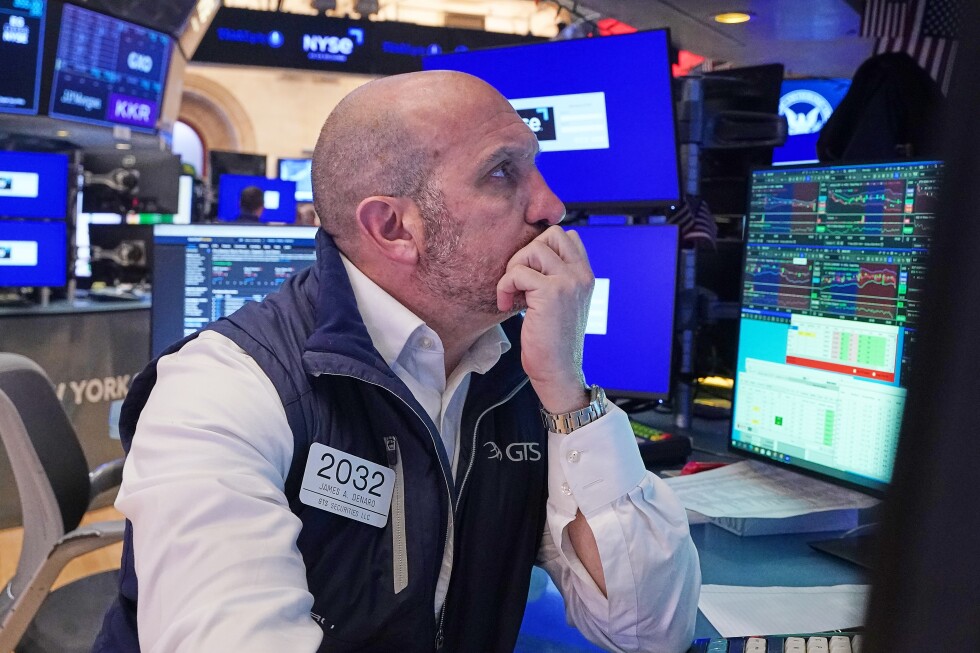
US equity markets declined and oil prices surged Tuesday as hopes for a definitive end to the conflict with Iran dimmed.
US equity markets declined and oil prices surged Tuesday as hopes for a definitive end to the conflict with Iran dimmed. Vice President JD Vance canceled a planned diplomatic mission to Pakistan after Tehran failed to respond to US negotiating positions, though President Donald Trump extended the existing ceasefire shortly after market close.
The Details
The S&P 500 fell 0.6%, dropping 45.13 points to close at 7,064.01, while the Dow Jones Industrial Average shed 293.18 points, or 0.6%, to finish at 49,149.38. Both indices erased significant early gains as news of the diplomatic stall emerged. Brent crude oil prices rose 3.1% to settle at $98.48 per barrel, reflecting heightened volatility that saw prices swing from below $95 to nearly $100 during the trading session. The 10-year Treasury yield also climbed to 4.31%, accelerating alongside oil prices late in the day.
The diplomatic setback centered on Vice President JD Vance's planned trip to Pakistan for a second round of ceasefire talks. The trip was called off after Iranian officials failed to respond to the latest US negotiating positions. A senior Iranian official informed Reuters that Iran rejects negotiations conducted under pressure or those aimed at surrender, noting that Pakistan has yet to succeed in persuading the US to lift its naval blockade of Iranian ports near the Strait of Hormuz.
In a sudden turn of events less than 10 minutes after the US markets closed, President Donald Trump announced an extension of the ceasefire. The original two-week truce, brokered on April 7, was scheduled to expire on Wednesday, April 22. The President stated the extension was granted at the request of Pakistan to allow Tehran time to submit a 'unified proposal' to end the war, suggesting potential divisions within the Iranian leadership.
Despite the extension, the US military is maintaining its blockade of Iranian ports. President Trump explicitly stated that the blockade will continue. This tension was exacerbated by the US seizure of the Touska, an Iranian-flagged cargo ship, in the Gulf of Oman on Sunday. Iran described the seizure as a grave breach of international law and a violation of the ceasefire, characterizing the act as piracy in a letter to the UN Security Council.
Regional tensions remain acute. A senior Iranian commander warned neighboring Arab nations that they should 'say goodbye to oil production in the Middle East' if they permit the US to continue attacking Iran from their territory. This threat underlines the critical nature of the Strait of Hormuz, where oil tankers must pass to exit the Persian Gulf.
Context
The conflict has already resulted in significant casualties, with at least 3,375 deaths in Iran, over 2,290 in Lebanon, and 23 in Israel. Thirteen US service members and 15 Israeli soldiers in Lebanon have also been killed. Previous attempts at diplomacy included a 21-hour round of talks in Islamabad involving VP Vance and special envoys Steve Witkoff and Jared Kushner, which ended without a deal.
Economic volatility has been a constant since the start of the war. Brent crude previously peaked above $119 per barrel, and the S&P 500 saw a drop of nearly 10% from its all-time high. While the market has recently recovered to near record levels, analysts suggest the economic impact remains tethered to the duration of the conflict. Brian Jacobsen, chief economic strategist at Annex Wealth Management, noted that the economic hit depends heavily on how long the Middle East conflict persists.
Domestic economic indicators have shown some resilience. US retail sales for March, the first full month of the war, exceeded analyst expectations. Growth remained relatively stable, though data excluding gasoline stations provided a more accurate picture of consumer behavior during the early stages of the conflict.
What's Next
The immediate focus shifts to whether Iran will produce the 'unified proposal' requested by the Trump administration. The outcome of this submission will likely determine if the extended ceasefire leads to a permanent peace agreement or a return to active hostilities.
Financial markets are expected to remain sensitive to any signals regarding the Strait of Hormuz. A long-term closure of this waterway would leave crude oil pent up in the gulf, potentially triggering another spike in global energy prices.
Additionally, the US administration's stance on its naval blockade remains a primary sticking point. Whether the US decides to lift these restrictions as a gesture of good faith or maintains them as leverage will be a key indicator of the administration's strategy moving forward.
Never Miss a Signal
Get the latest breaking news and daily briefings from Zero Signal News directly to your inbox.