
Merchant Vessels Report Gunfire in Strait of Hormuz as Iran Tightens Waterway Control
Zero Signal Staff
Published April 18, 2026 at 8:04 AM ET · 15 hours ago
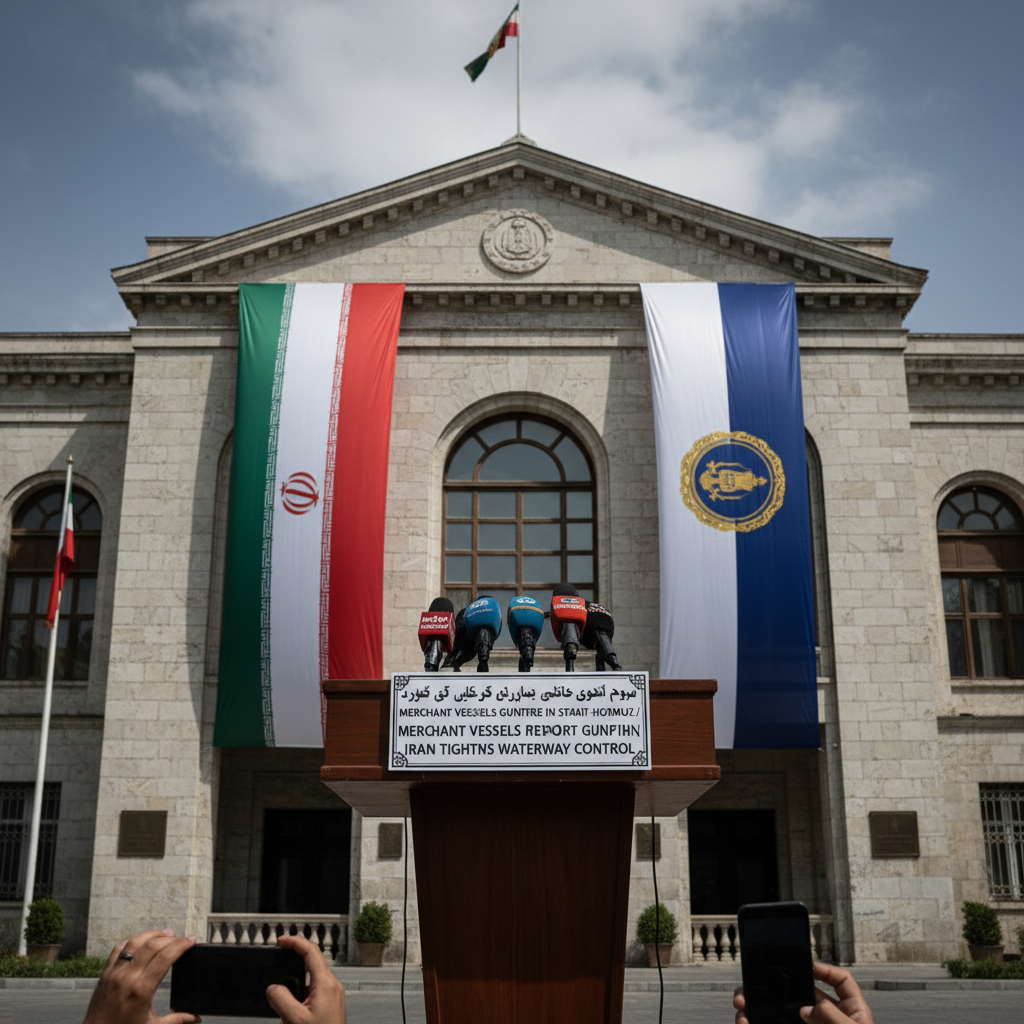
Reuters / UKMTO
At least two merchant vessels reported being hit by gunfire while attempting to navigate the Strait of Hormuz on Saturday.
At least two merchant vessels reported being hit by gunfire while attempting to navigate the Strait of Hormuz on Saturday. The British military confirmed that two gunboats from Iran's Revolutionary Guard fired at a tanker transiting the critical waterway. The tanker and its crew are reported safe, with the incident occurring approximately 20 nautical miles north-east of Oman.
The Details
The attacks occurred hours after Tehran announced renewed restrictions and a blockade on the Strait of Hormuz. This escalation follows a brief period where the waterway had reopened during diplomatic negotiations with the United States. According to reports from the United Kingdom Maritime Trade Operations (UKMTO) center, the gunfire targeted merchant traffic specifically as vessels attempted to cross the strait.
Iran's military command issued a televised statement asserting that the situation in the waterway will remain strictly controlled. Tehran accused Washington of violating promises by maintaining a naval blockade on ships traveling to and from Iranian ports. This rhetoric underscores a deepening divide over the operational status of the strait.
In contrast, officials from the United States have provided conflicting signals. While former President Donald Trump indicated that Iran had reopened the Strait of Hormuz, the U.S. maintains its own blockade on shipping specifically tied to Iranian interests. This discrepancy in reporting has left the actual conditions on the water volatile and unpredictable for shipping companies.
The incidents have raised immediate alarms regarding the safety of commercial transit. Industry experts note that the risk of physical attack is now compounded by the refusal of insurers to cover vessels entering the zone. Current reports suggest that the combination of military aggression and lack of insurance is creating a functional closure of the strait for many operators.
The Strait of Hormuz is one of the world's most vital maritime chokepoints. It typically carries roughly one-fifth of the global supply of oil and gas shipments. Any sustained disruption to the flow of energy through this corridor has immediate and significant implications for global energy markets and price stability.
Context
The current instability is part of a wider pattern of maritime aggression that intensified following US-Israeli attacks on February 28. Following those events, Iran effectively shut the Strait of Hormuz to most international shipping. By mid-April, ship traffic through the strait had plummeted by more than 95 percent.
Data from BBC Verify indicates a sustained campaign of harassment in the region, reporting that 18 ships had been attacked since the start of the conflict. These attacks have been heavily concentrated near the entrance to the Strait of Hormuz.
Maritime intelligence agencies, including the UKMTO and Vanguard, have been tracking the increasing frequency of threats against merchant shipping. The region has become a primary flashpoint where geopolitical tensions between Iran and the West are manifested through direct interference with commercial trade.
What's Next
Global energy markets are expected to react sharply as the prospect of a total blockade of the Strait of Hormuz becomes more likely. Analysts suggest that if the current volatility persists, the 'nightmare scenario' of a complete closure of the waterway could lead to a severe global energy crisis.
Attention now turns to whether the United States will either escalate its naval presence to ensure freedom of navigation or seek further diplomatic concessions to ease Iranian restrictions. The immediate priority for shipping firms will be the search for alternative routes or the negotiation of high-risk insurance premiums to allow essential cargo to move.
Further statements from the Iranian military command and the U.S. State Department are expected in the coming days as both sides attempt to define the terms of navigation in the strait.
Never Miss a Signal
Get the latest breaking news and daily briefings from Zero Signal News directly to your inbox.