
Middle East Tensions Weigh on Wall Street Despite Strong Earnings Reports
Zero Signal Staff
Published April 22, 2026 at 3:12 AM ET · 158 days ago
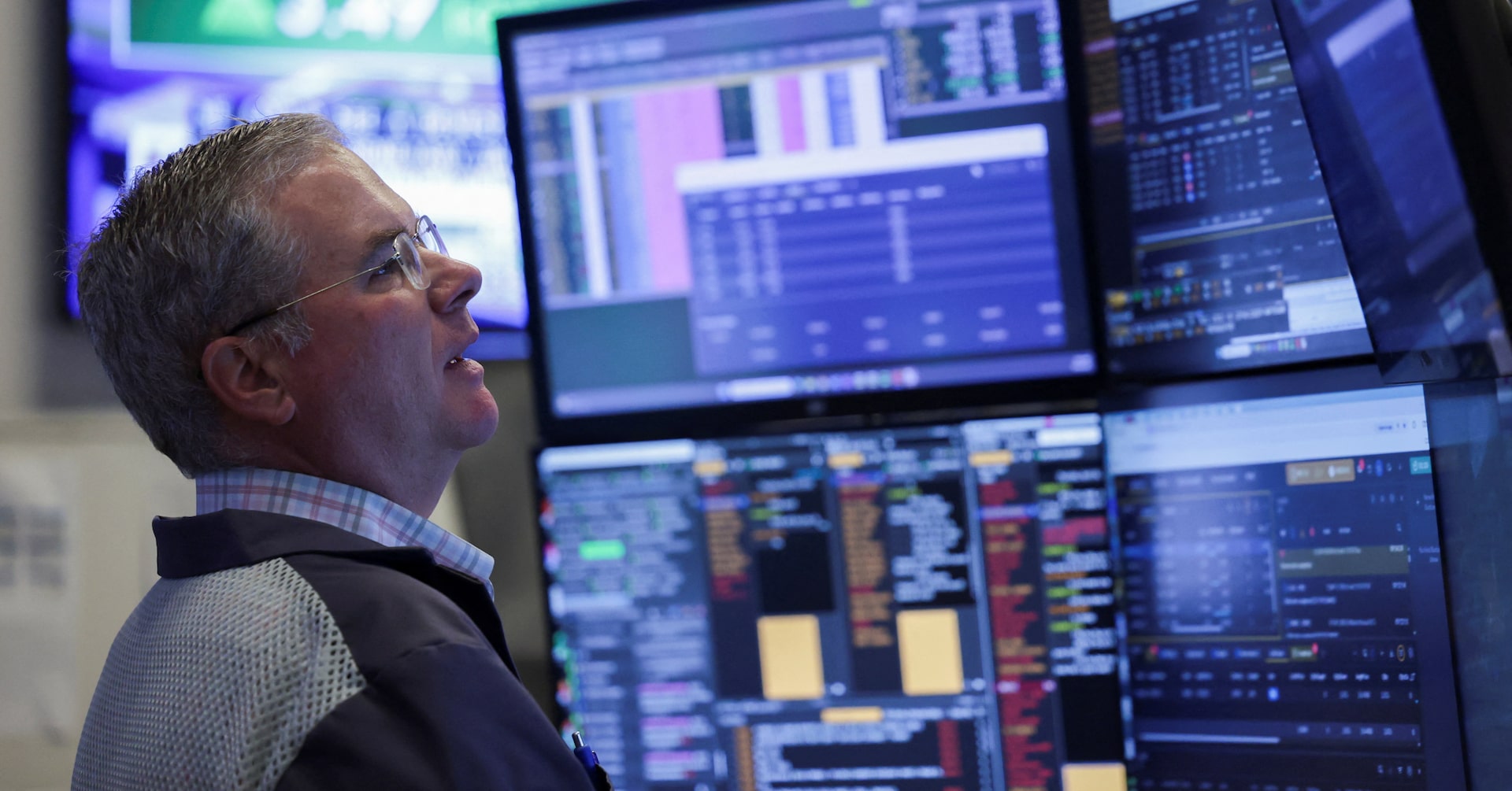
Reuters
Major U.S. stock indices declined on Tuesday as renewed geopolitical instability in the Middle East overshadowed a season of generally positive corporate earnings.
Major U.S. stock indices declined on Tuesday as renewed geopolitical instability in the Middle East overshadowed a season of generally positive corporate earnings. Investors shifted away from riskier assets, opting for a more cautious posture despite strong financial results from several blue-chip companies. The downturn reflects a growing tension between fundamental economic growth and external political shocks.
The Details
The volatility was most pronounced in the S&P 500 and the Dow Jones Industrial Average, both of which saw significant dips during midday trading. Market analysts suggest that the primary driver was the sudden escalation of diplomatic frictions and military posturing in the Middle East, which has historically led to spikes in global oil prices and disrupted trade routes.
Conversely, the earnings season had provided a bullish backdrop. Several technology and retail giants reported quarterly profits that exceeded analyst expectations, indicating resilient consumer spending and effective cost-management strategies. This divergence creates a complex environment where the underlying corporate health is strong, but the macro-political climate is restrictive.
Energy stocks showed mixed results, with some gaining from the prospect of higher oil prices while others suffered due to the overall market retreat. The volatility index (VIX) climbed, signaling increased hedging activity among institutional investors who are bracing for further geopolitical unpredictability.
Trading volume remained high as algorithmic selling triggered further declines in high-growth tech sectors. These stocks, which are particularly sensitive to interest rate projections and global stability, bore the brunt of the sell-off as investors moved toward defensive sectors like utilities and consumer staples.
Analysts note that the market is currently in a state of 'tug-of-war.' On one side, the fundamental data—including employment figures and corporate margins—remains robust. On the other, the unpredictability of Middle Eastern conflicts introduces a 'risk premium' that suppresses valuation multiples.
Context
The U.S. equity market has spent the last several months navigating a delicate balance between cooling inflation and the fear of a potential economic slowdown. The current volatility is part of a broader trend where markets react sharply to geopolitical triggers, particularly those affecting energy security and global supply chains.
Historically, Middle East instability has served as a catalyst for market corrections, often leading to periods of consolidation before the market adjusts to the new geopolitical reality. Investors are particularly wary of any event that could trigger a sharp rise in Brent crude prices, as this would likely reignite inflationary pressures and complicate the Federal Reserve's path toward interest rate cuts.
Furthermore, the current earnings cycle had set an extremely high bar for companies. With expectations already elevated, the positive reports were partially 'priced in,' making the market more susceptible to negative external shocks.
What's Next
Market participants are now closely monitoring statements from regional leaders and the U.S. State Department for signs of de-escalation. Any concrete diplomatic breakthrough could lead to a rapid recovery in the S&P 500 as the geopolitical risk premium evaporates.
In the short term, the focus will shift to upcoming inflation data and Federal Reserve commentary. If geopolitical tensions continue to drive oil prices higher, the Fed may be forced to maintain higher interest rates for longer to combat cost-push inflation, further pressuring equity valuations.
Institutional investors are expected to increase their allocations to gold and other safe-haven assets until a clear trend emerges regarding the stability of the Middle East region.
Never Miss a Signal
Get the latest breaking news and daily briefings from Zero Signal News directly to your inbox.