
Most GLP-1 Users Quit and Restart Drugs, But Long-Term Effects Unknown
Zero Signal Staff
Published April 15, 2026 at 8:59 AM ET · 3 days ago
NPR Health
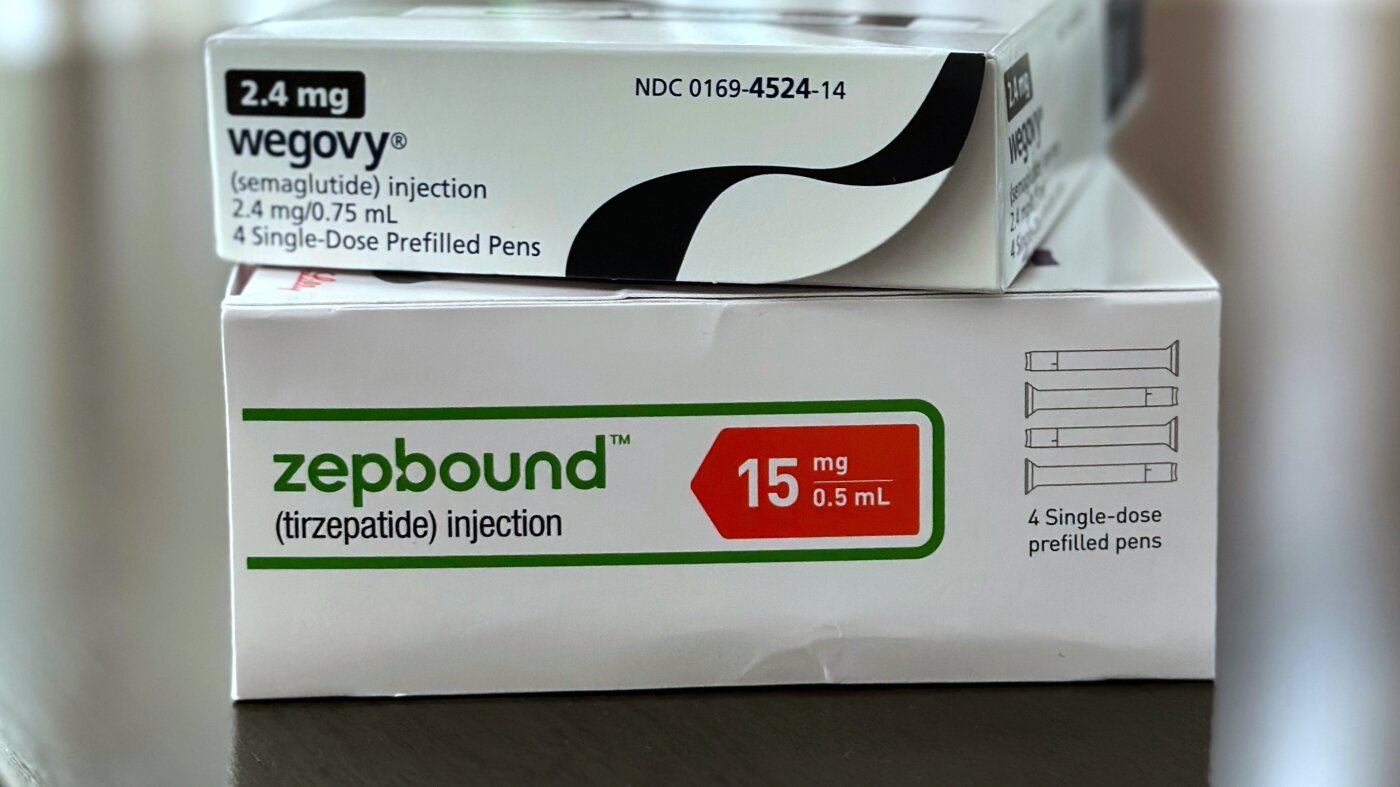
A majority of people who start GLP-1 obesity and diabetes medications like Ozempic and Zepbound stop taking them, often planning to restart later, according to research and consumer surveys.
A majority of people who start GLP-1 obesity and diabetes medications like Ozempic and Zepbound stop taking them, often planning to restart later, according to research and consumer surveys. Fewer than one in four patients remain on the drugs after one year, yet medical experts warn that cycling on and off these medications—intended for lifelong use—may carry unknown health risks.
Dr. Jaime Almandoz, an obesity medicine specialist at the University of Texas Southwestern Medical Center, analyzed insurance claims data published in JAMA and found that adherence to GLP-1 drugs drops sharply after the first year. His research shows that less than 25 percent of patients stay on the medications long-term, despite their design for chronic disease management.
A separate survey by Leigh O'Donnell, a consumer behavior analyst at market research firm Kantar, found that 74 percent of people who stopped taking GLP-1s said they were likely or likely to restart them. Reasons for discontinuation include cost, loss of insurance coverage, and side effects. The availability of pill forms, lower-priced options, and online sellers without insurance requirements has made starting and stopping easier, O'Donnell said.
The pattern reflects a cultural shift in how GLP-1s are being used. Social media marketing and celebrity adoption have normalized the drugs as temporary weight-loss aids rather than treatments for chronic conditions. One online seller, Willow, features advertisements showing younger women using GLP-1s for minor weight loss, with messaging suggesting brief use is acceptable. The Better Business Bureau requested that Willow modify or discontinue health-related claims in late 2025, but the company declined.
Medical researchers express concern about repeated cycling. Mahmoud Salama Ahmed, a medical chemist at Texas Tech University, notes that as much as 40 percent of weight lost on GLP-1s comes from lean muscle mass rather than fat. When patients stop the drugs, they regain fat rapidly, but it remains unclear whether lost muscle is recovered. If muscle is not rebuilt through exercise, this pattern could lead to sarcopenia—age-related muscle loss that affects balance, metabolism, and bone strength, particularly in older patients.
Context
GLP-1 medications were developed to treat type 2 diabetes and obesity as long-term therapies. The drugs work by mimicking glucagon-like peptide-1, a hormone that regulates blood sugar and appetite. Ozempic (semaglutide) was approved by the FDA in 2017 for diabetes; its weight-loss variant, Wegovy, launched in 2021. Zepbound, another semaglutide formulation, was approved for weight loss in 2023. The market has expanded rapidly, with multiple competitors entering the space.
The shift toward on-and-off use contrasts sharply with medical guidance. Obesity specialists have historically framed treatment as a limited intervention—patients reach a weight goal and stop. Almandoz argues this approach is outdated for chronic conditions. However, research on the specific health consequences of periodic use remains sparse. Studies show weight regain after stopping GLP-1s occurs faster than with behavior-focused diets, but long-term data on muscle loss, metabolic changes, and repeated cycling are limited.
What's Next
The pharmaceutical industry, represented by PhRMA, is pushing for Medicare rule changes to expand access to GLP-1s while also calling for increased oversight of compounding pharmacies that sell the drugs directly to consumers without prescriptions. This regulatory tension will likely shape availability and pricing over the next 12 to 24 months.
The gap between consumer behavior and medical research will become more pronounced as pill-form GLP-1s become cheaper and more accessible. Experts say monitoring body composition—particularly muscle mass—should become standard practice for patients using these drugs intermittently, especially those over 65, to prevent long-term metabolic damage.
Never Miss a Signal
Get the latest breaking news and daily briefings from Zero Signal News directly to your inbox.