
Nintendo Weighs Switch 2 Price Hike as Surging Memory Costs Squeeze Margins
Zero Signal Staff
Published May 6, 2026 at 5:15 PM ET · 159 days ago
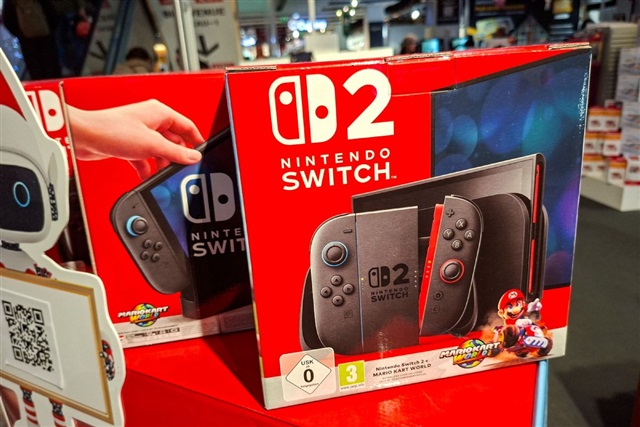
Bloomberg / TweakTown / TradingView / GameSpot
Nintendo is actively considering raising the price of its Switch 2 console in 2026 as surging memory chip costs — fueled by AI data center demand — eat into profitability on the blockbuster device, even as unit sales continue to exceed analyst expect
Nintendo is actively considering raising the price of its Switch 2 console in 2026 as surging memory chip costs — fueled by AI data center demand — eat into profitability on the blockbuster device, even as unit sales continue to exceed analyst expectations.
The Details
Nintendo is paying 41 percent more for the 12 gigabytes of RAM inside each Switch 2 system compared with prior levels, according to December 2025 reporting, adding direct pressure to per-unit margins on hardware that has already shipped 17.37 million units worldwide through December.
The margin strain showed up in Nintendo's most recent financial results. Operating income for the December 2025 quarter came in at 155.21 billion yen, falling short of the 180.7 billion yen consensus estimate even as revenue surged more than 80 percent year-on-year to 806.32 billion yen. Profit rose 23 percent in the quarter, a slower pace than expected, reflecting pressure from US tariffs imposed on the Switch 2 and a sales mix skewed toward Japan, where the console is priced more aggressively.
Nintendo President Shuntaro Furukawa addressed the cost pressure directly during the company's February 2026 earnings briefing. "The current rise in memory prices is happening at a pace that exceeds our expectations," Furukawa said. He added that if component cost increases persist through the next fiscal year, it may put pressure on profitability, and that Nintendo would "carefully assess market trends and respond" if the situation deteriorates significantly.
Furukawa was explicit, however, that no price change decision has been finalized. "As for any future change in the price of Nintendo Switch 2 hardware, no decision has been made at this time," he said. "Any decision to change the price will be determined comprehensively, taking into consideration not only profitability, but also other factors like the platform's installed base, sales trends, and the market environment."
The memory price surge is being driven by AI data center demand, which has pushed chipmakers to prioritize advanced memory for artificial intelligence applications. TrendForce, a market research firm, lifted its forecast for first-quarter DRAM price increases to more than 90 percent.
Despite the margin headwinds, demand for the Switch 2 has been strong. Nintendo sold 7.01 million Switch 2 consoles during the Holiday 2025 quarter, exceeding the 6.5 million analyst average. The company has maintained its full-year guidance for revenue and operating profit and reiterated its forecast of 19 million Switch 2 unit sales for the fiscal year. Some market observers view that sales target as cautious given the current trajectory, which could complicate any decision to raise prices.
Nintendo has stockpiled components prior to the recent surge in memory prices, and Furukawa stated that the company does not anticipate production constraints in the next fiscal year due to insufficient supply.
Analyst firm Niko Partners predicts the Switch 2 could retail for $499 in the United States, up from the current $450 Mario Kart World Tour bundle pricing. The Americas region represents more than 40 percent of Nintendo's quarterly earnings, making any US price change particularly consequential.
Nintendo shares are down roughly 30 percent from their post-launch peak, reflecting investor concern about the margin trajectory even as unit sales outperform expectations.
Context
The memory cost pressure facing Nintendo is part of a broader industry trend. Sony raised PlayStation 5 prices in 2025, and Microsoft has also increased Xbox pricing. Nintendo, unlike its console rivals, has historically avoided selling hardware at a loss, making component cost swings a direct hit to its business model.
The surge in DRAM pricing is being driven largely by demand from AI data centers, where chipmakers are allocating production capacity toward high-bandwidth memory used in artificial intelligence systems. That shift has reduced supply availability and increased costs for consumer electronics manufacturers across the board, with Nintendo's 41 percent RAM cost increase representing one concrete data point in a wider supply chain squeeze.
US tariffs on the Switch 2 compound the margin challenge, particularly given that the Americas account for more than 40 percent of Nintendo's quarterly earnings. The combination of tariff costs, a Japan-heavy sales mix at lower price points, and rising component expenses has created a three-front squeeze on hardware profitability even as the Switch 2 continues to sell at or above expectations.
What's Next
Nintendo has not specified a timeline for any potential price decision beyond indicating the matter is under evaluation for 2026. The company said any decision would balance profitability against the platform's installed base, sales trends, and broader market conditions.
If memory prices continue rising at or above current rates through the next fiscal year, as Furukawa warned, the pressure on margins could intensify. Nintendo's stockpile of components provides a near-term buffer, but the company acknowledged that sustained cost increases would eventually weigh on profitability.
Investors will be watching for any signal on pricing strategy in Nintendo's next earnings update, as well as for updates on the DRAM market trajectory that could determine whether the current component cost spike proves temporary or lasting.
Never Miss a Signal
Get the latest breaking news and daily briefings from Zero Signal News directly to your inbox.