
Oil Hits $120 for First Time Since 2022 as Trump Signals Extended Iran Blockade
Zero Signal Staff
Published April 29, 2026 at 5:31 PM ET · 150 days ago
Reuters, BBC News, CNBC, AP News
Global oil prices surged to their highest level in nearly four years on April 29, 2026, after reports emerged that President Donald Trump is preparing to extend a U.S.
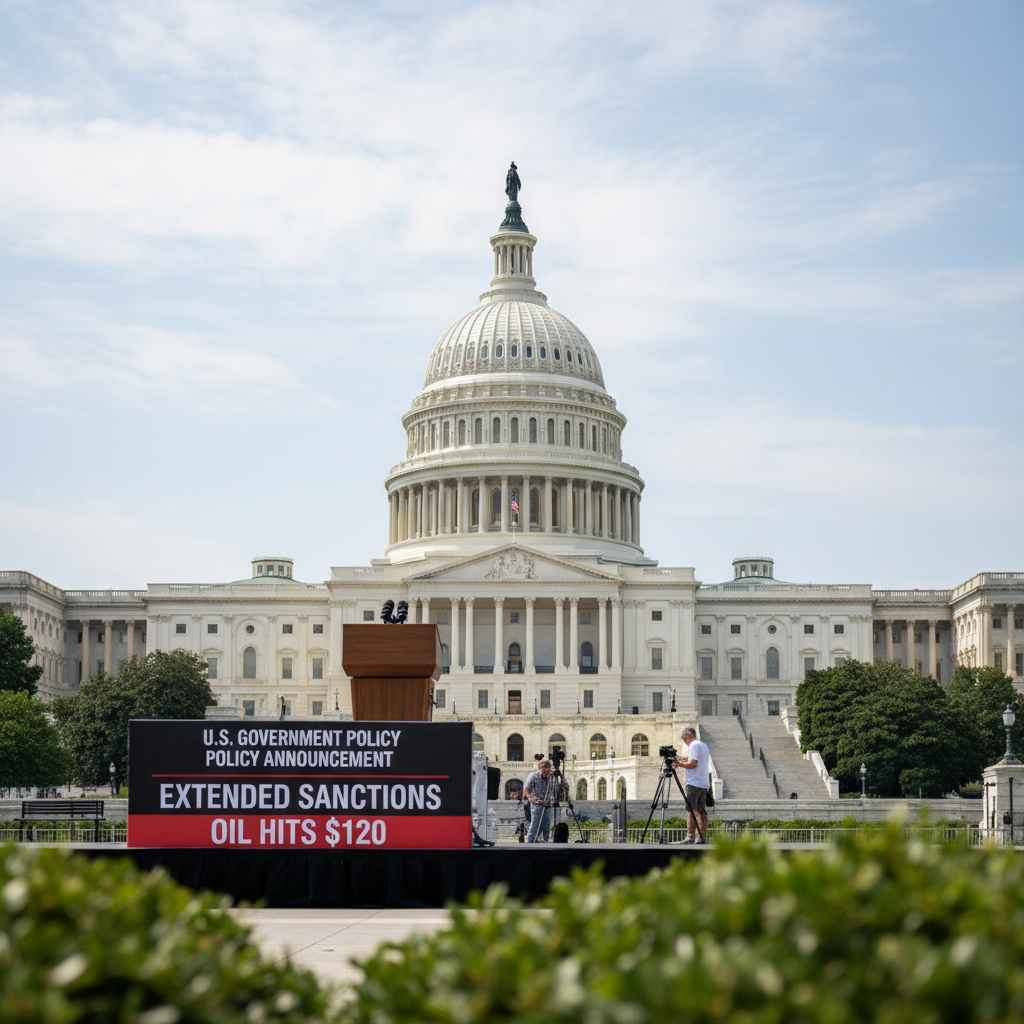
Global oil prices surged to their highest level in nearly four years on April 29, 2026, after reports emerged that President Donald Trump is preparing to extend a U.S. naval blockade of Iranian ports for months — raising fears of a prolonged supply disruption through one of the world's most critical energy chokepoints and rattling energy markets that had already absorbed two major price shocks in April.
The Details
Brent crude rose 6.1% on April 29 to settle at $118.03 a barrel before climbing to $120 in post-settlement trading, according to Reuters — the first time the global benchmark has reached that level since June 2022. The single-session move reflected market concern that the conflict with Iran is not approaching resolution but instead moving toward a longer, more disruptive phase.
Reuters reported that a White House official said President Trump asked U.S. oil companies about mitigating the impact of a potentially months-long U.S. blockade of Iranian ports. Traders interpreted those conversations as confirmation that the administration is preparing for an extended operation rather than a brief pressure campaign aimed at bringing Tehran back to the negotiating table quickly.
The BBC reported, citing the Wall Street Journal, that Trump instructed aides to prepare for an 'extended' blockade of Iran's ports. The same reporting noted that traders read the White House's direct engagement with senior energy executives as a sign that the port closure could last far longer than markets had previously priced in.
Trump addressed his rationale directly in remarks reported by CNBC, which cited Axios. 'The blockade is somewhat more effective than the bombing,' Trump said. 'They are choking like a stuffed pig, and it is going to be worse for them. They can't have a nuclear weapon.' CNBC reported Trump told Axios he would maintain the U.S. naval blockade against Iran until Tehran agreed to a nuclear deal, framing the economic pressure as an alternative to continued military strikes.
The geographic stakes underlie the scale of the market reaction. According to AP News, the Strait of Hormuz normally carries about one-fifth of globally traded oil. Any prolonged disruption at that chokepoint raises the prospect of sustained tighter supply and higher fuel costs for consumers and industry worldwide — pressures that tend to compound the longer a disruption persists.
Market analysts responded with urgency. Yang An, an analyst at Haitong Futures, told Reuters: 'If Trump is prepared to extend the blockade, supply disruptions would worsen further and continue to push oil prices higher.' Kathleen Brooks, research director at XTB, told the BBC: 'Financial markets will now need to price in the prospect of a prolonged blockade.' Both analysts framed the key variable as duration — and Trump's public statements on April 29 gave markets little reason to expect a near-term end.
Context
Oil markets had already been repriced significantly before April 29. AP News reported earlier in April that U.S. crude jumped to $104.24 and Brent to $102.29 after Washington announced it would begin blockading Iranian ports. That initial move showed markets were reacting sharply to the policy itself; Tuesday's spike, driven by duration signals rather than the blockade's announcement, suggests markets are now absorbing a different and more persistent risk.
The April 29 move compounds a supply picture that was already tightening on domestic fundamentals separate from the geopolitical crisis. Reuters reported that U.S. crude and fuel inventories fell more than expected last week — adding a supply-tightening signal from within the U.S. market that amplified the price pressure from the Iran standoff.
The broader economic stakes are substantial. The BBC reported that the World Bank forecast energy prices would surge 24% in 2026 if the most acute disruptions from the Iran conflict only ease in May. That projection predated Tuesday's price spike and the reports of an extended blockade plan. With Brent now above $120, the trajectory described in the World Bank's downside scenario appears to be playing out ahead of schedule.
What's Next
The direction of oil prices will depend heavily on whether Trump moves forward with the extended blockade that aides are reportedly preparing. Reuters quoted Haitong Futures analyst Yang An saying that if the blockade is prolonged, supply disruptions would worsen and continue to push prices higher — a dynamic that could sustain or exceed Tuesday's $120 level.
Nuclear negotiations between the United States and Iran remain the stated off-ramp. Trump told Axios, as reported by CNBC, that he would maintain the blockade until Tehran agreed to a nuclear deal. No timeline or framework for those talks was included in the reports reviewed for this article. Until an agreement takes shape, the signals from Washington on April 29 point toward a prolonged standoff — and prolonged pressure on global energy prices.
Never Miss a Signal
Get the latest breaking news and daily briefings from Zero Signal News directly to your inbox.