
Oil Plunges and Stocks Surge on Reports U.S. and Iran Near Deal to End War
Zero Signal Staff
Published May 6, 2026 at 8:23 AM ET · 159 days ago
BBC News, NBC News
Oil prices fell sharply and global equity markets rallied Wednesday after multiple reports said the United States and Iran were close to a one-page framework agreement that could end the current conflict and open the door to broader nuclear talks.
Oil prices fell sharply and global equity markets rallied Wednesday after multiple reports said the United States and Iran were close to a one-page framework agreement that could end the current conflict and open the door to broader nuclear talks.
The Details
According to BBC News and NBC News, both citing an Axios report, officials in Washington and Tehran were working on a one-page memorandum of understanding to end the war and set the stage for more detailed negotiations. The report triggered an immediate market reaction: Brent crude fell from above $108 a barrel earlier in the session to below $100, while U.S. crude West Texas Intermediate dropped sharply to below $90 per barrel, NBC News reported.
BBC reported that President Donald Trump said Tuesday he would pause Project Freedom for a short period to see whether an agreement with Iran could be finalized and signed. In a social media statement cited by BBC, Trump wrote, "Great Progress has been made toward a Complete and Final Agreement with Representatives of Iran."
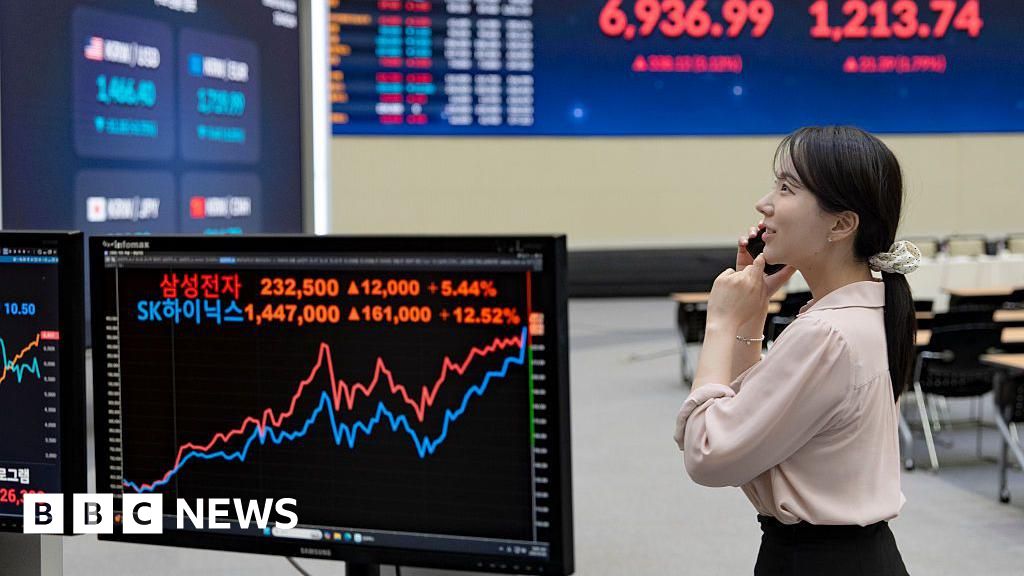
The market moves were broad. NBC News reported that S&P 500 futures rose about 1%, Nasdaq 100 futures advanced 1.6%, and Europe's Stoxx 600 climbed more than 2.2%. Business Insider separately reported that WTI fell 9.5% to $92.40 a barrel and Brent fell 8.5% to $100.50.
NBC News noted that Iran had not independently confirmed a deal was close.
Context
The current conflict has severely disrupted global energy flows. BBC reported that about a fifth of global oil and gas shipments usually cross the Strait of Hormuz, a waterway that has been effectively closed for weeks following the U.S.-Israel war with Iran. Reuters, in a May 1 report, said disruption around the strait had affected roughly a fifth of global oil and liquefied natural gas supply, helping explain why peace-talk headlines were capable of moving crude prices so sharply.
NBC News reported that U.S. retail gasoline had already risen above $4.50 per gallon before the market reversal, reflecting the domestic economic stakes tied to the war and any possible settlement.
The sensitivity of oil markets to negotiation signals was evident earlier. BBC noted that a ceasefire agreed on April 8 between the U.S. and Iran had previously caused oil prices to slump and stock markets to jump. Reuters reported on May 1 that a new Iranian peace proposal sent oil futures lower, underscoring how quickly prices had been rising and falling on prospects for an outcome to the conflict.
Against that backdrop, Tehran's public posture remained defiant. Mohammad Ghalibaf, speaker of Iran's parliament, was quoted by BBC as saying, "We know well that the continuation of the status quo is intolerable for America, while we are just getting started." The BBC report characterized the statement as signaling that Tehran did not view the status quo as acceptable and was not yet conceding to U.S. pressure.
Secretary of State Marco Rubio's remarks added another layer of nuance. BBC cited Rubio stating, "We would prefer the path of peace. What the president would prefer is a deal," as markets reacted to the reports of a possible agreement.
What's Next
The immediate focus will be on whether the reported one-page memorandum of understanding can be completed and signed. President Trump has signaled a short pause in military operations to test whether a final deal is achievable. Iran, however, has not publicly confirmed it is near an agreement, and the gap between reported progress and Tehran's rhetoric leaves the next steps uncertain.
Never Miss a Signal
Get the latest breaking news and daily briefings from Zero Signal News directly to your inbox.