
Oil Surges Past $120 as Trump Set to Receive Iran Military Strike Options From CENTCOM
Zero Signal Staff
Published April 30, 2026 at 1:59 AM ET · 150 days ago
Axios / Reuters / BBC News / The Guardian
Brent crude surpassed $120 per barrel for the first time since 2022 after reports emerged that President Donald Trump is set to receive a briefing from U.S.
Brent crude surpassed $120 per barrel for the first time since 2022 after reports emerged that President Donald Trump is set to receive a briefing from U.S. Central Command on new military options against Iran, including potential strikes and a plan to reopen the Strait of Hormuz by force. The price spike, confirmed by Reuters, reflects investor alarm over a possible military escalation that could further disrupt a chokepoint responsible for roughly a fifth of global energy trade.
The Details
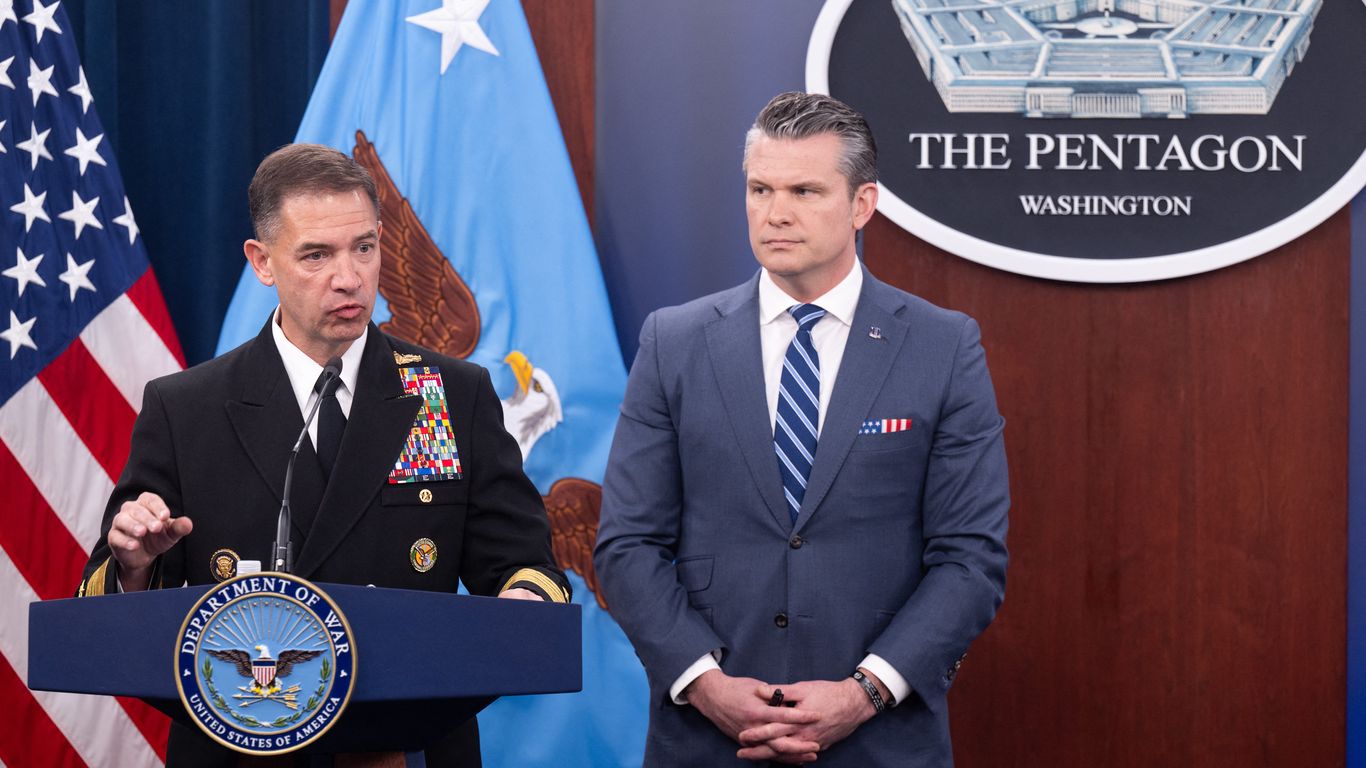
Axios reported Thursday that Trump is scheduled to receive a briefing from CENTCOM commander Adm. Brad Cooper presenting new plans for potential military action in Iran. According to Axios, those options include a possible 'short and powerful' wave of strikes as well as a scenario focused specifically on reopening part of the Strait of Hormuz.
Reuters separately confirmed that with diplomatic talks stalled, Trump was set to hear from the head of U.S. Central Command on new Iran military options. The Reuters report corroborated the core elements of the Axios story: a formal military briefing, a Thursday timeframe, and an escalation framing driven by the breakdown of negotiations.
BBC News reported that oil prices jumped in Asian trading hours following the Axios scoop, with markets reacting quickly to the prospect of U.S. military action in one of the world's most strategically sensitive waterways.
The market move was sharp. Reuters reported Brent crude settled up 6.1% at $118.03 on April 29, then climbed further in post-settlement trade to reach $120 — a level not seen since June 2022. Traders were pricing in the risk of prolonged Middle East supply disruption, according to Reuters.
The Guardian reported that Iran's closure of the Strait of Hormuz has already blocked roughly a fifth of global oil trade, leaving the White House choosing between a negotiated reopening and a military operation. According to The Guardian, Iran's latest diplomatic proposals centered on reopening shipping routes without immediately resolving the underlying nuclear dispute — an approach that has deepened the deadlock rather than resolved it.
Trump addressed the stalled talks directly on Truth Social. Reuters quoted the president writing: 'They don't know how to sign a non-nuclear deal. They'd better get smart soon!' The post underscored the administration's frustration with the pace of diplomacy as military planners finalize options for the president's review.
Reuters also reported that the Trump administration has discussed a potentially months-long blockade of Iranian ports while simultaneously pressing allies to help restore access through the Strait of Hormuz. The dual-track approach — economic pressure combined with the threat of force — reflects the range of instruments the administration is weighing before committing to any single course of action.
Context
The Strait of Hormuz is one of the world's most critical energy chokepoints. BBC News noted that about one-fifth of global energy trade passes through the waterway under normal conditions, meaning Iran's closure has removed a significant share of seaborne oil from accessible markets.
Aaron David Miller, cited by The Guardian, offered a stark assessment of how the conflict has shifted: 'This has gone from being a war of choice to a war of necessity.' That framing captures the argument that the economic consequences of the Hormuz closure — now visible in global crude prices — have narrowed the space for U.S. inaction.
The fact that Brent has now breached $120 for the first time since 2022 brings the oil market into territory that historically strains household energy budgets and freight costs across importing economies. Reuters attributed the rise directly to investor calculations about how long Middle East supply disruption will persist.
The diplomatic impasse described by The Guardian — with Iran proposing a shipping reopening disconnected from nuclear talks — reflects a fundamental gap between what Washington and Tehran are each willing to offer. That gap is the central reason the military briefing has moved from contingency planning to a formal presidential review.
What's Next
Trump's Thursday briefing from CENTCOM commander Adm. Brad Cooper is the immediate next step, according to Axios and Reuters. The options on the table — including a potential 'short and powerful' strike package and a Hormuz-reopening scenario — will give the president a clearer picture of what military action could look like and at what cost.
Reuters reported the Trump administration has discussed a potentially months-long blockade of Iranian ports as an alternative pressure mechanism, suggesting that even if direct strikes are not authorized, the administration may escalate economic and logistical pressure on Iran. Allies have been asked to contribute to any Hormuz-reopening effort, according to Reuters, though no specific commitments have been reported.
Oil markets will track any public signals from the White House following the briefing. Brent crude's move to $120 already reflects elevated risk pricing; further statements from the administration or any Iranian response could push prices higher or, if talks resume, provide some relief.
Never Miss a Signal
Get the latest breaking news and daily briefings from Zero Signal News directly to your inbox.