
OPEC+ Convenes For Paper Oil Increase Amid Global Supply Collapse
Zero Signal Staff
Published May 2, 2026 at 12:26 PM ET · 163 days ago
Reuters
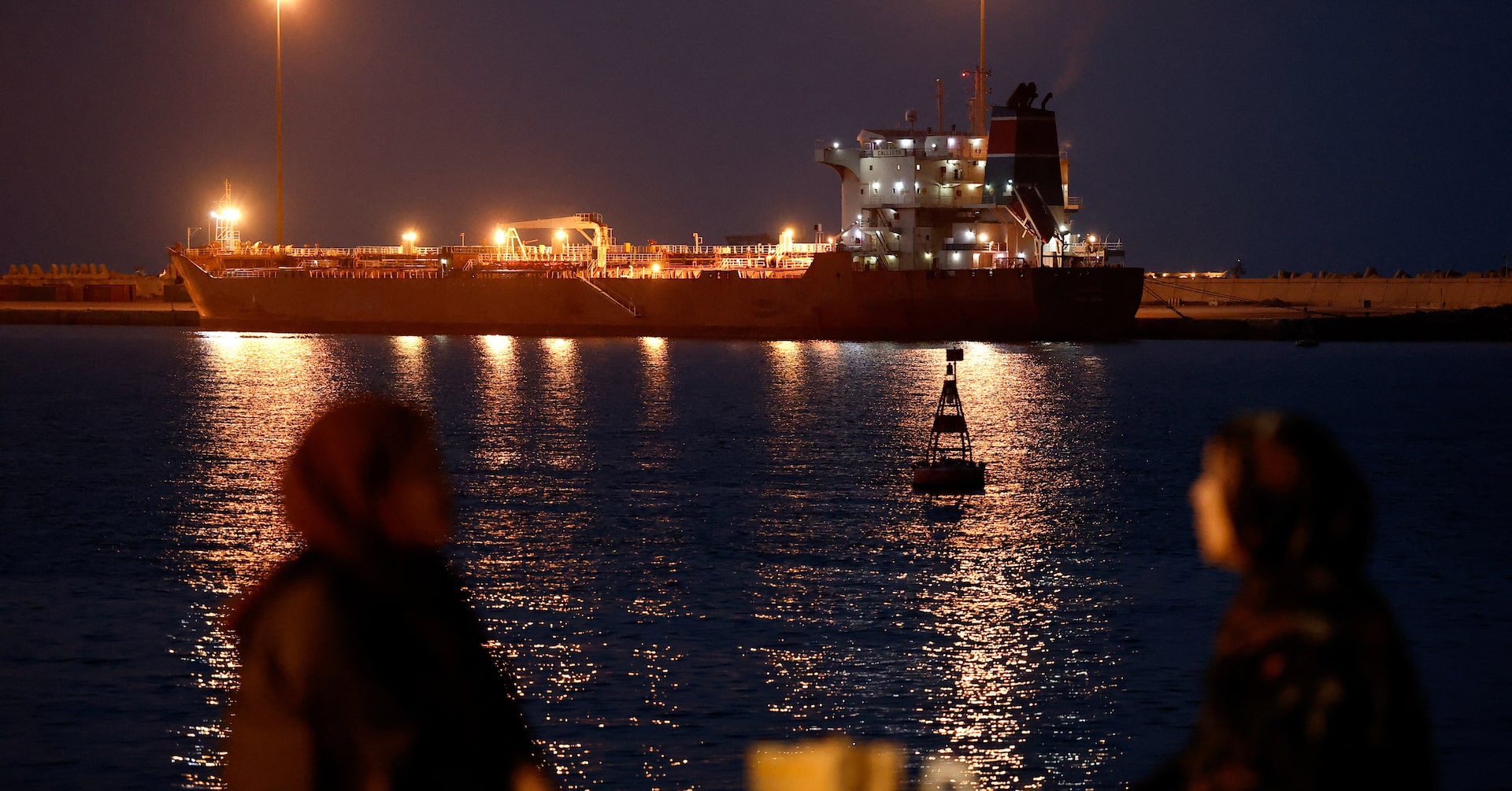
OPEC+ members met on April 5, 2026, to discuss a possible increase in production quotas as a global energy crisis drives crude prices toward record territory.
OPEC+ members met on April 5, 2026, to discuss a possible increase in production quotas as a global energy crisis drives crude prices toward record territory. The proposed output hike remains largely symbolic as the closure of the Strait of Hormuz continues to block nearly 15 percent of the world's daily oil supply. The move by the oil-producing alliance is being described by market sources as an attempt to stabilize psychological market sentiment despite physical supply paralysis.
The 1300 GMT meeting on Sunday brought together eight key members of the oil-producing alliance to determine production targets for May. While delegates debated a potential boost, the physical reality of the market is one of extreme scarcity. A disruption of 12 to 15 million barrels per day has effectively paralyzed major exporters. Saudi Arabia, the United Arab Emirates, Kuwait, and Iraq remain unable to ship significant volumes while the maritime blockade persists.
Market analysts and Reuters sources have characterized any agreed increase as "theoretical" or an "on-paper" gesture intended to calm jittery markets. The gesture comes as Brent crude prices trade near $120 a barrel, a level not seen in four years. JPMorgan analysts tracking the conflict project that prices could surpass $150 per barrel if the disruption extends into the middle of May.
The consequences of this supply vacuum are already visible at fuel pumps and power plants across the globe. The Philippines declared a state of national energy emergency on March 24, 2026, as officials warned that existing crude reserves might only last until June 30. In response to the crisis, the Philippine government has implemented strict conservation measures and prioritized fuel for essential services.
Australia has similarly moved to a wartime energy footing, releasing its National Fuel Security Plan on March 30. To combat panic buying and mitigate diesel shortages, the Australian government halved fuel excise taxes. These measures aim to stabilize a domestic market reeling from the sudden absence of Middle Eastern imports, which traditionally form the backbone of the region's energy security.
In Europe, the United Kingdom is experiencing sporadic shortages at retail petrol stations. Shell's leadership updated the public earlier in the month, warning that the localized disruptions seen in late March would likely broaden throughout April. The strain on gas supplies is equally acute, following drone strikes on Qatari gas facilities in early March that forced Qatar Energy to declare Force Majeure on several liquefied natural gas (LNG) contracts.
The current crisis traces back to late February 2026, when the Strait of Hormuz was closed during the escalation of the conflict between the United States and Iran. As a vital artery for global energy transit, the strait's closure immediately removed millions of barrels of oil from the daily market. Infrastructure damage to pipelines and storage facilities throughout the Middle East has further compounded the inability of producers to reach international buyers.
Historically, OPEC+ has acted as a swing producer to manage price volatility. On March 1, the group approved a modest boost of 206,000 barrels per day for the month of April. However, that increase was rendered obsolete by the scale of the subsequent supply shocks. The current meeting represents an attempt by the alliance to maintain its role as a market stabilizer, even as its physical capacity to intervene is restricted by geography and warfare.
The closure of the Strait of Hormuz has forced a massive realignment of global trade routes. Ships that once moved through the Persian Gulf are now attempting to source crude from alternative suppliers in the Atlantic Basin and the Americas. The competition for these available barrels has created a bidding war that keeps prices elevated regardless of OPEC's internal quota decisions.
Looking ahead, the primary factor for global energy markets is the duration of the Hormuz closure rather than any specific quota number reached in Sunday's meeting. Energy ministers are expected to release a formal statement following the 1300 GMT session, detailing the exact volume of the paper increase. If the hike is substantial, it may provide a temporary psychological cooling for the markets.
International focus will shift toward diplomatic efforts to reopen shipping lanes. Without a resolution to the maritime blockade, regional fuel emergencies in nations like the Philippines and Australia are expected to intensify. Analysts at JPMorgan and the International Energy Agency (IEA) are scheduled to release updated impact assessments later this week, which will provide more clarity on the depth of the global supply deficit as the world enters the second quarter of 2026.
Never Miss a Signal
Get the latest breaking news and daily briefings from Zero Signal News directly to your inbox.