
Orbán's Political Dominance Crumbles as Hungarian Voters Shift Away From Fidesz
Zero Signal Staff
Published April 10, 2026 at 6:14 AM ET · 1 day ago
Politico
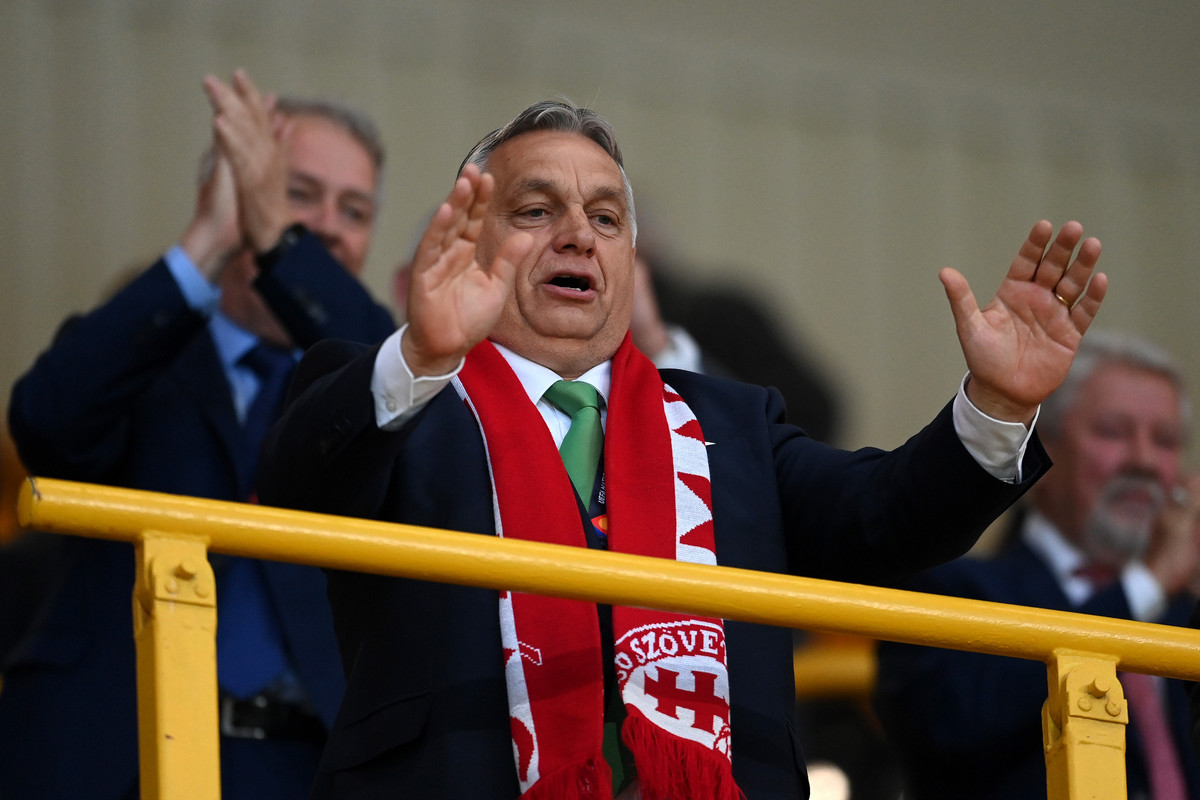
Viktor Orbán's 16-year grip on Hungarian politics faces its most serious challenge on April 12, as voters prepare to cast ballots in a national election where his Fidesz party trails by an average of 10 points.
Viktor Orbán's 16-year grip on Hungarian politics faces its most serious challenge on April 12, as voters prepare to cast ballots in a national election where his Fidesz party trails by an average of 10 points. Péter Magyar, a defector from Orbán's own party who now leads the center-right Tisza party, has emerged as the frontrunner, with three independent polls last week suggesting the gap is widening. Orbán's dominance, which has relied partly on a carefully constructed image as a man of the people, is collapsing amid voter frustration over economic stagnation, high prices, and deteriorating public services.
Magyar, 45, has focused his campaign on bread-and-butter economic issues while directly attacking Fidesz over corruption, highlighting how Orbán's inner circle and business cronies have accumulated wealth while ordinary Hungarians have grown poorer. Since breaking with Fidesz in 2024 over the party's handling of a sex abuse case in a children's home, Magyar has campaigned aggressively across the countryside, sometimes carrying a cardboard cutout of Orbán to illustrate the prime minister's distance from ordinary citizens.
Orbán has countered by campaigning on national security, warning that Hungary risks being drawn into the neighboring war in Ukraine and portraying Magyar as a puppet of Ukrainian President Volodymyr Zelenskyy and the European Union. His message centers on the claim that only his leadership can keep Hungary safe from external threats.
The economic grievances driving voters away from Fidesz are concrete and widespread. Júlia, a 76-year-old clothing store owner in Nyíregyháza in northeastern Hungary, expressed concern that without economic improvement, young people will continue emigrating for job opportunities elsewhere in Europe. In towns like Nyíregyháza, where more than half the population is over 50, voters who have traditionally supported Fidesz are increasingly questioning whether the party's leadership has abandoned them.
Young voters have proven largely unpersuaded by Orbán's security messaging. Magyar's promise to build a "modern, European Hungary" is resonating with this demographic, according to campaign observers on the ground. Older voters in Fidesz strongholds outside major cities remain more supportive of Orbán, but even in these traditionally loyal areas, economic anxiety is eroding his base.
Context
Orbán first came to power in 2010 on a similar economic platform, campaigning on improving the lives of ordinary Hungarians after the financial crisis. His rise to dominance coincided with and was partly enabled by his control of Puskás Akadémia, a professional soccer team he founded, which became a vehicle for cultivating a public image as a man connected to Hungarian culture and identity. The fusion of football and politics became central to his political brand, with the team serving as both a symbol of national pride and a tool for building loyalty among voters.
Magyar's defection from Fidesz represents a fracture in what had appeared to be a monolithic ruling structure. The party's handling of the children's home abuse case exposed internal divisions and raised questions about institutional accountability that had previously been obscured by Orbán's tight control of the political narrative. The emergence of a credible challenger from within Fidesz's own ranks signals that the party's internal cohesion, which had been a source of political strength, is breaking down.
Hungary's economic performance has deteriorated in recent years. Hospitals remain chronically underfunded, railway networks have fallen into disrepair, and inflation has eroded purchasing power for middle and working-class voters. These material conditions stand in sharp contrast to the narrative of stability and progress that Orbán has promoted, particularly among rural and smaller-town voters who have historically formed his base.
What's Next
The April 12 election will determine whether Magyar's momentum translates into a change in government or whether Orbán can mobilize his remaining support to retain power. If Tisza wins a plurality or majority, Magyar has pledged to pursue European integration and economic reform, a direct reversal of Orbán's nationalist and sovereignty-focused policies. The outcome will also reshape Hungary's relationship with the European Union, from which Orbán has been increasingly estranged over rule-of-law concerns and alignment with Russia.
Even if Orbán loses, the transition of power remains uncertain. Fidesz retains significant organizational resources and support in rural areas, and coalition negotiations could prove complex if no single party commands a clear majority. The election also carries implications for broader European politics, particularly regarding the balance between nationalist and pro-EU movements across the continent.
Never Miss a Signal
Get the latest breaking news and daily briefings from Zero Signal News directly to your inbox.