
Reporters Press UK Ministers on Starmer's Future Outside No 10
Zero Signal Staff
Published May 12, 2026 at 6:21 PM ET · 153 days ago
BBC News
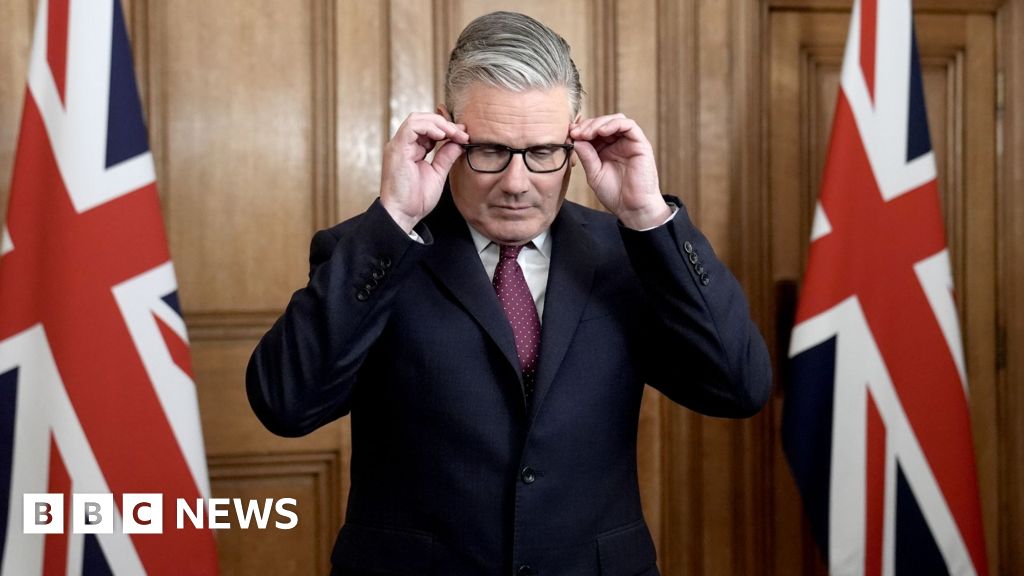
Government ministers leaving 10 Downing Street after a cabinet meeting on 12 May 2026 were met with repeated questions from reporters about Prime Minister Keir Starmer's future, as internal pressure on his leadership continued to build in full public
Government ministers leaving 10 Downing Street after a cabinet meeting on 12 May 2026 were met with repeated questions from reporters about Prime Minister Keir Starmer's future, as internal pressure on his leadership continued to build in full public view.
The Details
BBC News footage captured the moment reporters shouted questions at ministers as they exited Downing Street following the cabinet session. One reporter was heard asking, "Have you asked the PM to step down?" The questions were directed at government members as they made their way past the media gathered outside the prime minister's official residence, and they came as Starmer faced an escalating challenge to his authority from within his own party.
Among those leaving No 10, Health Secretary Wes Streeting remained silent when asked whether he would mount a leadership challenge against the prime minister, the BBC reported. His silence joined what the footage showed as a broader pattern of ministerial restraint, with cameras and microphones pressing government members for answers about Starmer's position and receiving little public response in return.
The public questioning followed what the BBC described as rising dissent within Labour's parliamentary ranks. More than 80 Labour MPs have publicly called for Starmer to leave office or set out a timetable for his departure, according to BBC reporting. The figure represents a significant bloc of the parliamentary party, though it falls just below the formal threshold required to force a leadership contest under current party rules.
Labour party rules require backing from 81 MPs, or 20 percent of Labour MPs, to trigger a formal leadership challenge, the BBC reported. As of 12 May, no Member of Parliament had launched a formal leadership bid. Catherine West had publicly floated a challenge but was far short of the 81 supporters needed for a formal contest, according to BBC political reporting. The gap between her public signal of interest and the number of backers required left the formal mechanics of a challenge unactivated.
The leadership tension has already produced concrete departures from the government. The BBC reported that four government members, including Jess Phillips, had resigned while Starmer fought to stay in office. The resignations added to the visible signs of strain within the administration as the prime minister resisted calls to outline an exit plan or commit to a departure date.
At the same time, a competing signal of support emerged from elsewhere in the parliamentary party. More than 100 Labour MPs signed a statement saying, "This is no time for a leadership contest," the BBC reported. That figure exceeded the number of MPs publicly calling for Starmer to step down, creating a split public picture of the party's internal stance and leaving observers with two competing numerical measures of parliamentary opinion.
Context
The scene outside Downing Street on 12 May illustrated the mounting pressure on Starmer from his own side of the House of Commons, played out in front of television cameras and the press. The BBC reported that the combination of ministerial resignations and public criticism had placed the prime minister in a defensive position as he sought to remain in office and avoid being forced into a timetable for departure.
The arithmetic of a formal challenge remains tight and specific. With 81 MPs required to trigger a contest under Labour party rules, and Catherine West described as far short of that number, the path to an official leadership battle has not yet opened. The BBC noted that while more than 80 MPs have demanded Starmer's exit or a timetable for departure, a larger group of more than 100 MPs has publicly endorsed the view that the current moment is not right for a leadership race. That divide means the parliamentary party is sending conflicting public signals about whether Starmer should stay or go.
The resignations of four government members, including Jess Phillips, underscored that the pressure on Starmer has moved beyond verbal criticism to concrete departures from his administration. The BBC reported that these resignations came as Starmer was actively fighting to stay in office, suggesting the departures were part of the same internal pressure wave that produced the public calls for his exit.
What's Next
Starmer's position remains under internal Labour pressure but is not yet subject to a formal leadership contest. The BBC reported that no MP had launched a formal bid as of 12 May, and the 81-MP threshold for triggering a challenge had not been met. Catherine West, who the BBC said had floated a potential challenge, remained far short of the support needed to force a vote under party rules, leaving the formal path to replacing Starmer unopened.
The competing parliamentary signals suggest continued instability rather than resolution. More than 80 MPs have called for Starmer to leave office or set a departure timetable, while more than 100 have signed a statement opposing a leadership contest at this time. The gap between public criticism and the formal mechanisms required to remove a Labour leader leaves the situation in a state of unresolved tension, with neither the dissenters nor the supporters holding enough unified strength to dictate the outcome.
Never Miss a Signal
Get the latest breaking news and daily briefings from Zero Signal News directly to your inbox.