
Rumen Radev Secures Historic Outright Majority in Bulgaria Parliamentary Election
Zero Signal Staff
Published April 20, 2026 at 9:43 PM ET · 159 days ago
Reuters / The Guardian / Al Jazeera / CNN
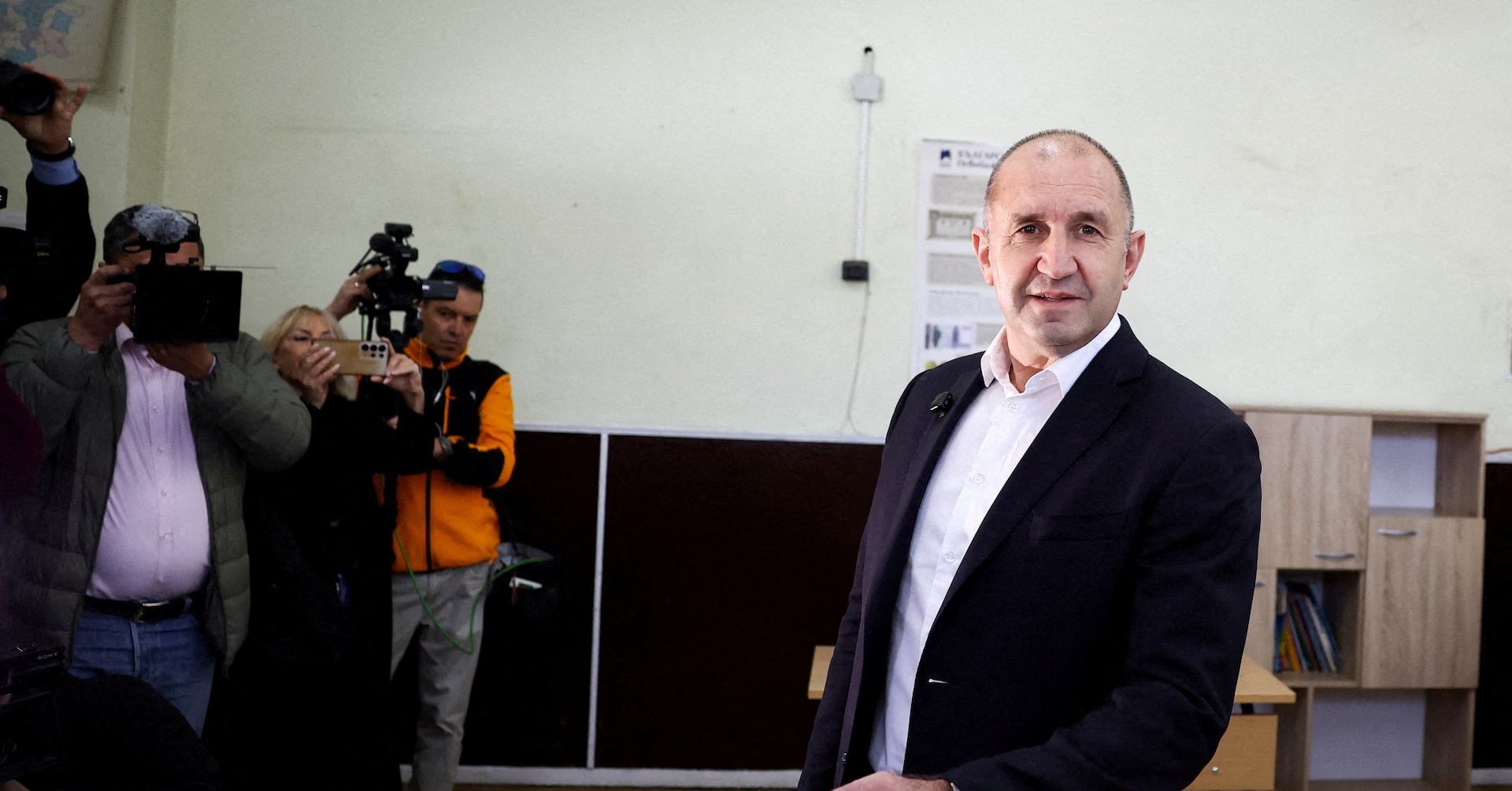
Former President Rumen Radev and his Progressive Bulgaria party have won a historic landslide victory in Bulgaria's parliamentary elections held on April 19, 2026.
Former President Rumen Radev and his Progressive Bulgaria party have won a historic landslide victory in Bulgaria's parliamentary elections held on April 19, 2026. Securing approximately 44.7% of the vote, Radev is poised to lead the first single-party government in nearly 30 years. The result marks a decisive shift in the nation's political landscape following five years of chronic instability.
The Details
Progressive Bulgaria is estimated to hold between 130 and 131 of the 240 seats in the National Assembly. This outright majority represents a stark departure from the fragmented governance that has defined Bulgarian politics since 2021, during which the country held eight parliamentary elections. The victory comes at the expense of the established political guard; GERB, the party of former Prime Minister Boyko Borissov, plummeted to its lowest-ever result at 13.4%, while the pro-European PP-DB coalition trailed with roughly 12.7%.
Radev, a 62-year-old former air force commander and fighter pilot, served as the country's largely ceremonial president for nine years before stepping down in January 2026 to launch his parliamentary bid. His campaign leaned heavily on voter frustration regarding systemic corruption and rising inflation. This sentiment was underscored by nationwide protests in December 2025, where citizens forced the previous government to resign over proposed tax increases.
The election saw a significant increase in civic engagement, with voter turnout exceeding 50%. However, the process was marred by allegations of fraud. Authorities detained more than 400 individuals on suspicion of vote buying—a sharp increase from the 72 detentions recorded during the 2024 elections.
International reactions have been divided. The Kremlin swiftly welcomed the results, with spokesman Dmitry Peskov noting Russia's encouragement toward Radev's openness to 'pragmatic dialogue.' Conversely, European Council President António Costa offered congratulations while emphasizing a 'shared agenda' for a secure and autonomous Europe.
Despite his victory, Radev faces a complex domestic landscape. While he holds a majority, he lacks the 160 seats required for a full judicial overhaul without additional support from coalitions like the PP-DB. The result is a mandate for stability, but not necessarily an immediate path to deep institutional reform.
Context
Bulgaria is currently one of the European Union's poorest members and continues to struggle with systemic corruption. Prosecutors have recently alleged that hundreds of millions of euros in EU funds were diverted through fixed public tenders and widespread election fraud. The country joined the EU in 2007 and recently adopted the euro in January 2026.
Rumen Radev's political trajectory has been marked by a tension between his Western military training—which included time in the United States—and his current geopolitical stance. During his presidency, he often clashed with pro-Western factions, particularly regarding Bulgaria's alignment with NATO and the EU.
This election serves as a critical counter-current in European politics. Only days before Radev's victory, Hungary voted out its long-serving pro-Kremlin leader Viktor Orbán. Radev's ascent suggests that while some EU nations are pivoting away from Russian influence, others are moving toward leaders who prioritize 'pragmatism' over ideological alignment with Brussels.
What's Next
The immediate focus for the Radev administration will be the formation of the new government and the navigation of Bulgaria's relationship with its Western allies. Radev has consistently opposed military aid for Ukraine and has called for the resumption of Russian oil and gas flows into Europe, positions that may create friction within the EU and NATO.
However, analysts suggest that Radev may moderate his stance once in power. His close associate, Slavi Vassilev, has asserted that Bulgarian voters seek active participation in the EU and NATO rather than a complete pivot toward Moscow. This suggests a possible strategic balance where Radev maintains his populist appeal while ensuring that critical EU funds are not jeopardized.
Ultimately, the world will be watching whether Radev uses his mandate to implement the anti-corruption reforms his voters demand, or if the 'stability' he provides will simply preserve the existing system of patronage and oligarchic influence.
Never Miss a Signal
Get the latest breaking news and daily briefings from Zero Signal News directly to your inbox.