
Russian Barrage Hits Kyiv, Odesa and Dnipro in Deadly Overnight Attack
Zero Signal Staff
Published April 16, 2026 at 9:59 AM ET · 183 days ago
Al Jazeera
Russia launched a large overnight missile and drone attack on Ukraine early Thursday, striking Kyiv, Odesa and Dnipro.
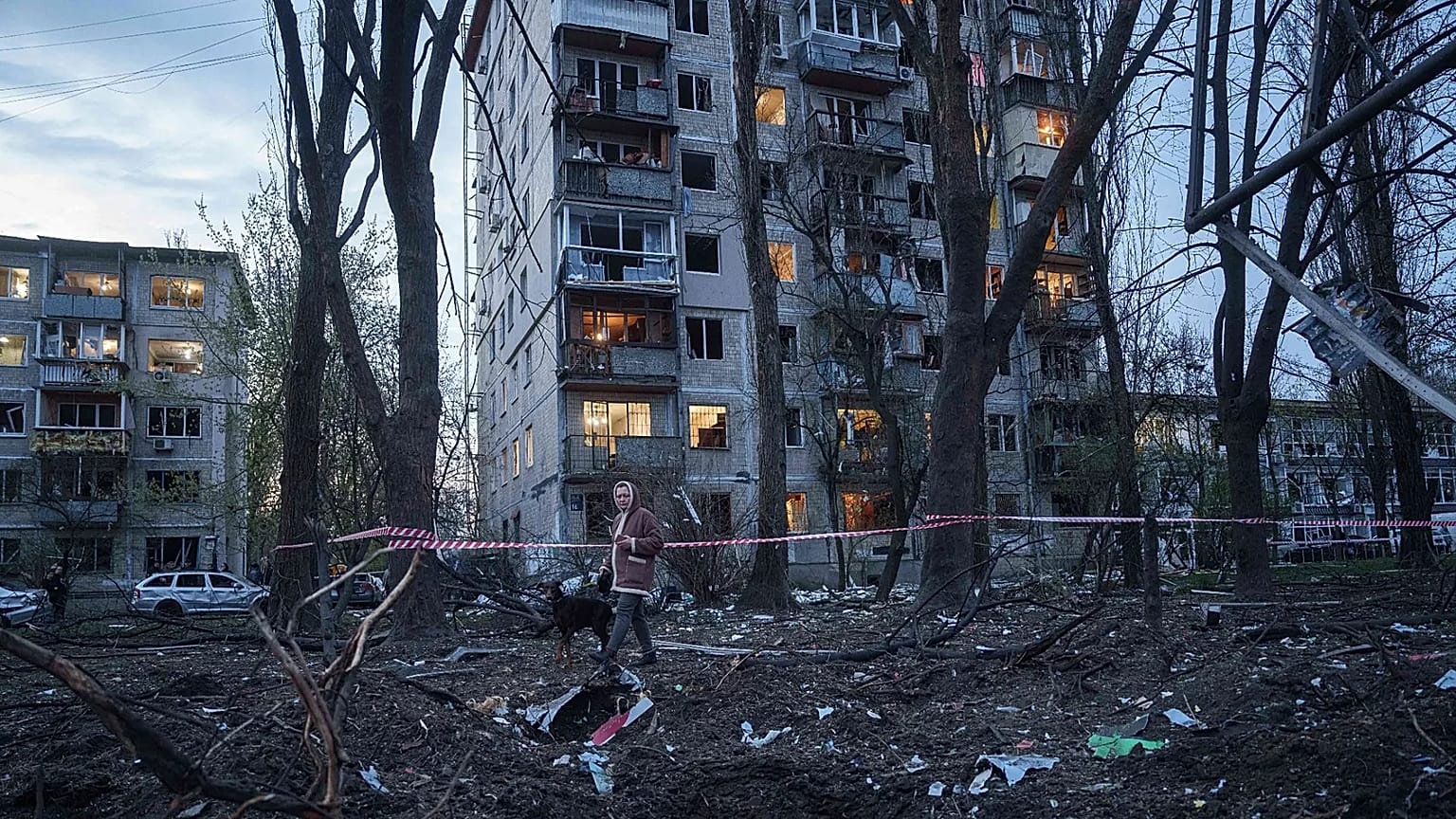
Russia launched a large overnight missile and drone attack on Ukraine early Thursday, striking Kyiv, Odesa and Dnipro. Casualty counts were still changing across outlets, with Al Jazeera reporting at least 16 deaths and The Kyiv Independent reporting at least 17, while later coverage described more than 100 people injured. Ukrainian and international reporting also tied the scale of the attack to a shortage of interceptor missiles used to defend cities from ballistic strikes.
The Details
Ukrainian and international reporting said the April 16 assault hit multiple cities at once, with Kyiv, Odesa and Dnipro among the main urban centers struck. Al Jazeera reported that at least four people were killed in Kyiv, at least nine in Odesa and three in the Dnipropetrovsk region. The Kyiv Independent later described the strike as one of the deadliest Russian attacks on Ukrainian civilians of 2026 and put the toll at at least 17 dead and more than 100 injured, showing that the numbers were still changing in the immediate aftermath.
Ukraine's Air Force said Russia launched 19 ballistic missiles, 25 cruise missiles and 659 drones during the overnight barrage, according to The Kyiv Independent. POLITICO Europe cited a different tally, reporting nearly 700 drones and 44 missiles. The brief notes that discrepancy remains unresolved.
POLITICO reported that Ukrainian forces intercepted only eight of the 19 ballistic missiles that entered Ukrainian airspace. President Volodymyr Zelenskyy said after the attack, "We managed to shoot down 636 drones and part of the missiles. Unfortunately, not all. There are hits and damage to ordinary houses." His statement described both successful interceptions and direct damage to residential areas.
Available source reporting focused on civilian losses and damage to ordinary housing. The fact brief does not provide a complete inventory of damaged sites, but it does support that homes were hit during the assault. Across the three main cities named in the brief, the reporting pointed to a strike that reached civilian areas as well as producing a high casualty count.
The attack also renewed focus on Ukraine's air defense supply problem. POLITICO reported that Ukraine faces an extreme shortage of PAC-2 and PAC-3 interceptor missiles, which are used with Patriot systems against ballistic threats. Zelenskyy said he had instructed the commander of the air force to contact partners that had previously promised missiles for Patriot and other systems.
Al Jazeera's Audrey Macalpine summarized the issue by saying, "This is reflective of a larger problem for Ukraine, which is lack of interceptors." That assessment matched reporting in the brief from both Al Jazeera and POLITICO Europe, which described a shortage of anti-ballistic interceptors around Kyiv. The overnight barrage put that shortage at the center of the public response to the attack.
Context
The Kyiv Independent reported that this was the first attack on Kyiv in more than a month. That detail gave the latest barrage added significance because it brought a large-scale strike back to the capital after a relative lull. The same overnight assault also hit Odesa and Dnipro, making it a multi-city attack rather than an isolated strike on one region.
Ukraine has relied on Western anti-ballistic systems to help defend major cities from long-range missile attacks. According to POLITICO Europe, Kyiv is facing an acute shortage of PAC-2 and PAC-3 interceptor missiles. Al Jazeera likewise described the April 16 assault in the context of Ukraine's shortage of ballistic missile interceptors.
The mix of drones, cruise missiles and ballistic missiles also mattered. The Kyiv Independent and POLITICO Europe reported different overall counts, but both described a mass barrage involving hundreds of drones and dozens of missiles. In that setting, the availability of interceptor missiles became a central issue in coverage of the attack.
Al Jazeera described the assault as Russia's deadliest attack of the year against Kyiv in the context of Ukraine's shortage of ballistic missile interceptors. Taken together, the sources in the brief presented the overnight barrage as a major test of Ukraine's urban air defenses during a period of supply strain.
What's Next
In the immediate term, casualty figures and damage assessments may continue to change as authorities update counts from Kyiv, Odesa and Dnipro. The fact brief already reflects unresolved differences between major outlets on both the death toll and the total number of missiles and drones used in the attack.
The next official updates are likely to come from Ukraine's Air Force, regional authorities and President Zelenskyy's office. Those statements may narrow the gap between reported strike totals and provide a firmer casualty count.
The other near-term issue is whether Ukraine's partners move to provide additional interceptor missiles for Patriot and related systems after Zelenskyy's public appeal. The brief identifies that supply question as central to the aftermath of the attack, especially after reports that Ukraine is facing an acute shortage of PAC-2 and PAC-3 interceptors.
Never Miss a Signal
Get the latest breaking news and daily briefings from Zero Signal News directly to your inbox.