
Russia's 'great crackdown' on VPNs triggers banking chaos and rare celebrity dissent
Zero Signal Staff
Published April 17, 2026 at 8:06 AM ET · 182 days ago
France24
Russia's aggressive push to block virtual private networks has inadvertently disrupted the country's own banking systems, sparked rare public appeals from pro-Kremlin celebrities, and sent President Vladimir Putin's approval rating to its lowest poin
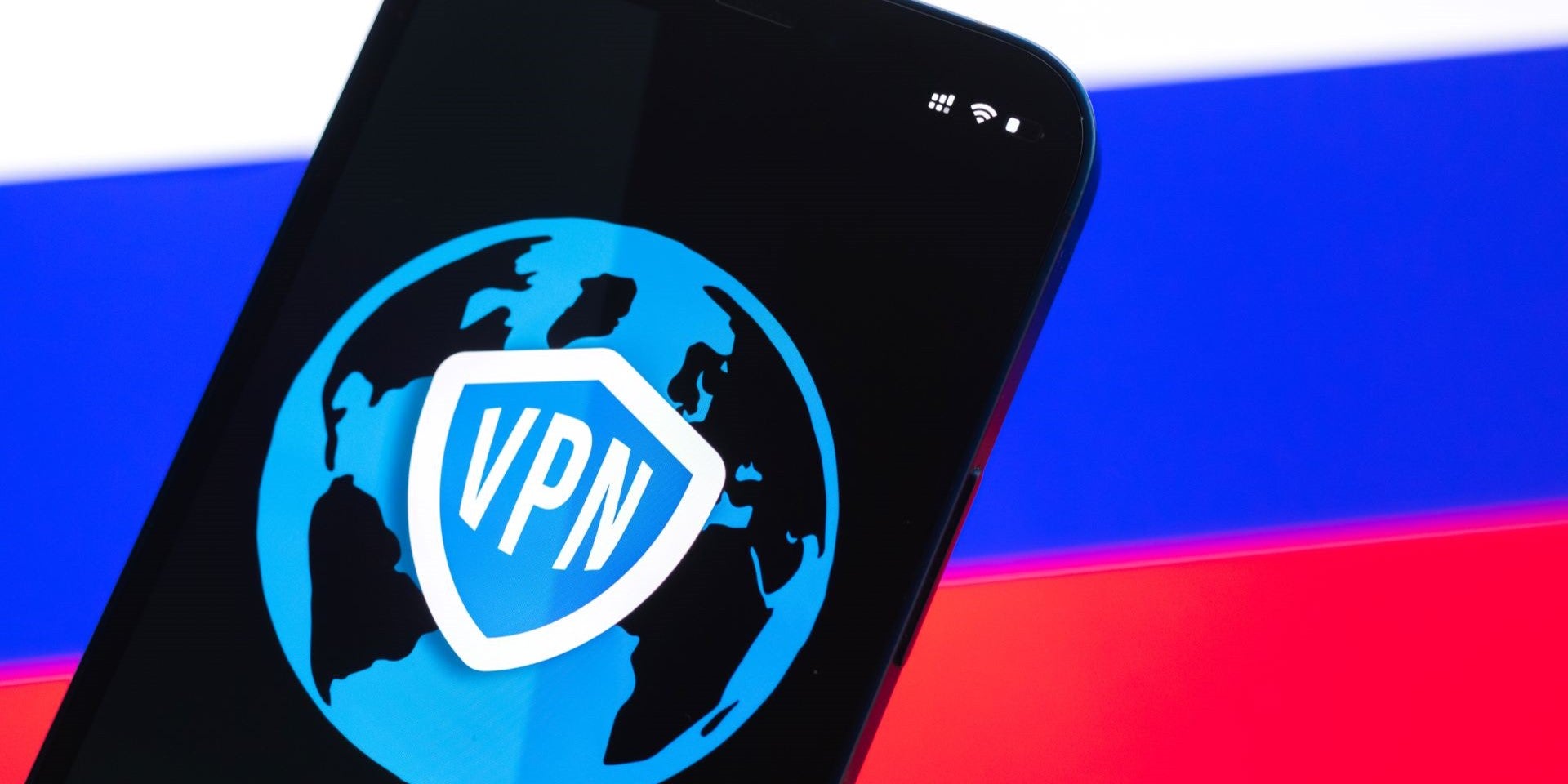
Russia's aggressive push to block virtual private networks has inadvertently disrupted the country's own banking systems, sparked rare public appeals from pro-Kremlin celebrities, and sent President Vladimir Putin's approval rating to its lowest point since the 2022 invasion of Ukraine — the latest signs that Moscow's intensifying digital censorship campaign is backfiring on multiple fronts.
The Details
By mid-January 2026, Russia had blocked more than 400 VPN services — a 70% increase from late 2025, according to the Kommersant newspaper. The pace has only accelerated since, with regulators targeting the tools that millions of Russians rely on to circumvent state censorship and access blocked platforms including Instagram, Facebook, and X.
But on April 4, the crackdown produced an unexpected casualty: Russia's own banking sector. VPN-blocking efforts overloaded Roskomnadzor's filtering systems, disrupting banking apps and payment systems across the country, according to Bloomberg and Russian outlet The Bell. The Moscow metro was forced to open its turnstiles and allow passengers to ride for free, while a regional zoo had to ask visitors to pay in cash.
Roskomnadzor denied involvement in the disruption. But the incident laid bare what IT executives have been warning for months — that technically, there is no way to block VPNs without destabilizing the broader internet infrastructure.
'There's no technical way to block VPNs without disrupting the entire internet,' IT executive Natalya Kasperskaya wrote on Telegram. 'So, comrades, take screenshots of interesting websites, withdraw as much cash as possible, and get ready to listen to radio reports about foreign enemies who have blocked our once-beloved RuNet.' She later partially retracted the post but called for dialogue between authorities and the IT sector.
The backlash has reached unexpected corners. Even pro-Kremlin actor Ivan Okhlobystin — who previously described Russia's invasion of Ukraine as a 'holy war' — publicly appealed to Putin, calling the internet clampdown 'a huge mistake.'
'If they want to bring us back to the U.S.S.R., then a time machine would need to be built first. Without that, it simply won't work,' Okhlobystin said. 'The very idea of restricting access to information for our science and culture is beyond comprehension.'
Telegram founder Pavel Durov, whose platform has also been targeted by the Kremlin, framed the moment as a turning point: 'Welcome back to the Digital Resistance, my Russian brothers and sisters. The entire nation is now mobilised to bypass these absurd restrictions.' Durov claimed 50 million Russians still send at least one message daily on Telegram, with 65 million daily active users in the country overall — despite the official ban.
The crackdown extends well beyond VPNs. Russia has blocked calling features on WhatsApp and Telegram, introduced an opaque 'white list' of approved apps, and periodically shut down mobile internet in multiple regions — often citing Ukrainian drone attacks as justification. The Kremlin says foreign platforms have failed to abide by Russian law and that restrictions are necessary to counter security threats.
Moscow has also been testing its so-called 'sovereign internet' — a network effectively firewalled from the rest of the world. Some Russians fear the Kremlin is laying the groundwork for a 'North Korea model' of the internet, heavily controlled and isolated from the global web.
Context
Russia has been progressively tightening internet controls since the full-scale invasion of Ukraine in February 2022, banning major Western social media platforms one by one. Roskomnadzor began throttling YouTube in July 2024 — one of the last major foreign platforms still accessible — and ramped up restrictions through the end of that year. In October 2024, the regulator blocked thousands of websites using Cloudflare's Encrypted Client Hello protocol extension.
Internet freedom in Russia hit a new low in 2025, according to Freedom House, as authorities ramped up efforts to isolate the population from the global internet, including sovereign internet tests that caused outages and regional throttling beginning in May 2025.
Eight Western diplomats told Reuters that Moscow's internet crackdown in 2026 went far beyond anything they had previously witnessed in the country. The campaign has become what reporters describe as a 'cat and mouse' game: as authorities block one VPN, another appears, and many young Russians change their VPNs daily.
Attempts to protest the restrictions have been systematically suppressed. Authorities in nearly a dozen regions refused to authorize demonstrations against internet censorship, citing reasons ranging from tree inspections and snow removal to still-existent COVID-19 restrictions. Activists chose March 29 for planned rallies as a symbolic reference to Article 29 of the Russian constitution, which guarantees freedom of thought and speech.
What's Next
Putin's approval rating has fallen to 67.8% — its lowest since the invasion of Ukraine — amid the internet shutdowns, messaging app restrictions, and rising prices, according to the state polling agency VtSIOM. Some officials have reportedly warned of political and economic risks from the continued digital restrictions.
The immediate question is whether the banking disruption on April 4 will force a recalibration. IT industry leaders and some pro-Kremlin figures are pushing for dialogue between regulators and the technology sector, arguing that the current approach is technically self-defeating.
But the broader pattern suggests Moscow will continue tightening its grip. The sovereign internet infrastructure gives the government the technical capability to disconnect Russia from the global web entirely, and every test of that system normalizes further restrictions. For now, the VPN war is a contest the Kremlin keeps escalating — even as the collateral damage mounts at home.
Never Miss a Signal
Get the latest breaking news and daily briefings from Zero Signal News directly to your inbox.