
Sacked Civil Servant Reveals Downing Street Pressure Over Mandelson Vetting
Zero Signal Staff
Published April 21, 2026 at 10:00 PM ET · 158 days ago
The Guardian / BBC News
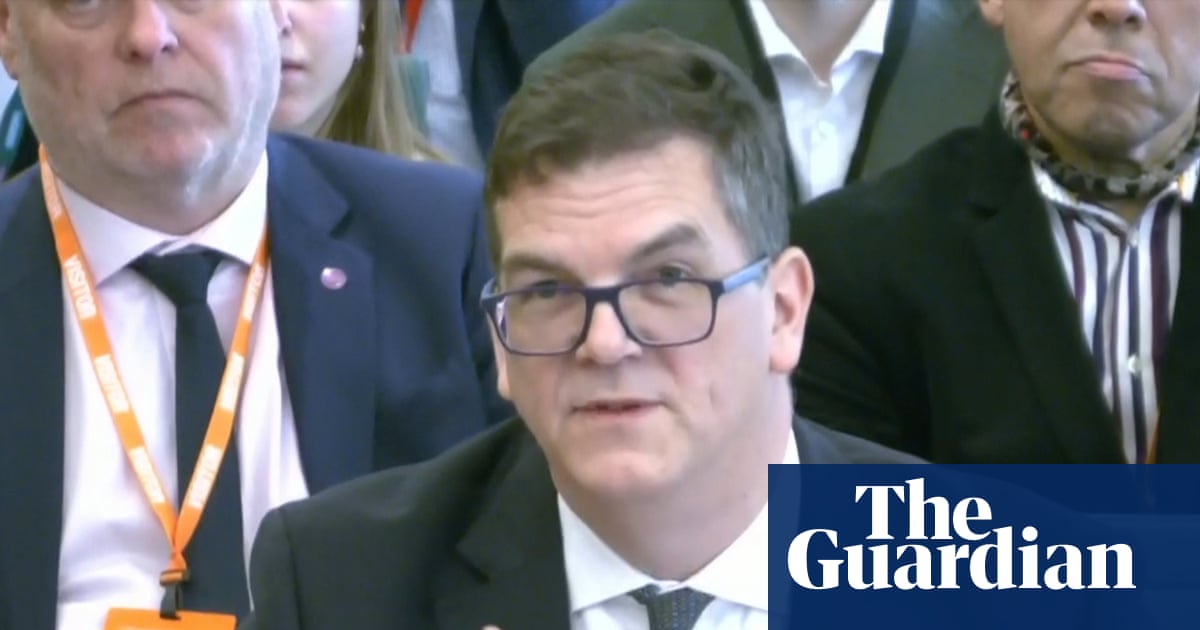
Sir Olly Robbins, the former head of the Foreign Office, has testified that 10 Downing Street exerted significant pressure to rush the security clearance of Lord Peter Mandelson as British ambassador to the US.
Sir Olly Robbins, the former head of the Foreign Office, has testified that 10 Downing Street exerted significant pressure to rush the security clearance of Lord Peter Mandelson as British ambassador to the US. Robbins, who was sacked by Prime Minister Keir Starmer last week, described an 'atmosphere of pressure' and 'constant chasing' from the PM's office. The revelations emerge as the government struggles to contain a security scandal involving the former ambassador.
The Details
Appearing before the House of Commons Foreign Affairs Committee on April 21, Sir Olly Robbins detailed how the UK Security Vetting (UKSV) agency had originally rated the concern over Lord Mandelson as 'high' and concluded that clearance should be denied. Despite this recommendation, Robbins overturned the decision, admitting he did so without reviewing the full UKSV form or understanding the specific security concerns.
Robbins testified that the process was compromised by a pre-determined outcome. By the time the vetting was finalized, Mandelson had already been publicly announced, received the King's blessing, and had been agreed upon by the US government. Robbins stated this made it 'very, very difficult' to deny the clearance. He described a culture in No 10 that took a 'dismissive' attitude toward the vetting concerns raised by security professionals.
While Robbins told MPs that he approved the clearance because officials believed the risks could be mitigated rather than purely due to pressure, he highlighted the intensity of the demands for Mandelson to be in post 'as quickly as humanly possible.'
Further allegations surfaced regarding No 10's interference in diplomatic appointments. Robbins claimed that Downing Street sought a senior role for Lord Matthew Doyle, the Prime Minister's former communications chief, and explicitly requested that Robbins keep then-Foreign Secretary David Lammy unaware of the request. Lord Doyle had previously been suspended from the Parliamentary Labour Party following his campaign for a friend convicted of child sexual image offenses.
Prime Minister Keir Starmer has rejected the claim that his office was dismissive of security vetting. While he described Robbins as a man of 'integrity and professionalism,' he maintained that the former official had made an 'error of judgment.' In response to the leaks of these details, Darren Jones has announced a formal inquiry into the security breach.
Context
The controversy centers on Lord Peter Mandelson, who was appointed as ambassador in early 2025 despite the initial security denial. The situation escalated in January 2026 when the US Department of Justice released documents suggesting Mandelson may have passed market-moving government information to Jeffrey Epstein in 2009. These revelations led to Mandelson's removal from his post and his arrest in February 2026 on suspicion of misconduct in public office. Mandelson has denied any wrongdoing and has not been charged.
In Parliament on April 20, Keir Starmer informed MPs that he had ordered an investigation into Mandelson's tenure and announced that the Foreign Office would no longer have the power to overrule security vetting decisions. The Intelligence and Security Committee (ISC) is currently reviewing hundreds of files related to the appointment, though the committee's chair, Lord Beamish, has expressed disappointment that not all documents have yet been provided.
The scandal has created significant internal friction within the Labour government. Energy Secretary Ed Miliband stated publicly that Mandelson 'should never have been appointed,' and Foreign Secretary Yvette Cooper has similarly distanced herself from the Prime Minister's decision.
What's Next
The political fallout continues to widen, with US President Donald Trump criticizing the appointment as a 'really bad pick' and a failure of judgment by Starmer. Within the UK, Labour MPs such as Imran Hussain have called for an independent inquiry and direct consequences for the Prime Minister, while others have warned of a 'toxic culture' emerging within No 10.
Civil service tensions are also rising. Dave Penman, head of the FDA union, warned that the sacking of Sir Olly Robbins has sent a 'real chill' through the civil service, suggesting that the Prime Minister is losing the ability to work effectively with non-political officials.
With Parliament scheduled to rise next week ahead of May elections, further incriminating documents from the ISC review are unlikely to be released immediately. However, the issue is expected to resurface and intensify following the election period, maintaining pressure on Starmer's leadership despite Chancellor Rachel Reeves' insistence that there is 'no leadership contest.'
Never Miss a Signal
Get the latest breaking news and daily briefings from Zero Signal News directly to your inbox.