
Senator Graham Signals Expansion of Global Blockade Against Iran
Zero Signal Staff
Published April 22, 2026 at 4:14 PM ET · 157 days ago
ABC News
U.S. Senator Lindsey Graham has announced that the current maritime blockade against Iran will not only remain in place but is slated for global expansion. The move signals a hardening of the U.S.
U.S. Senator Lindsey Graham has announced that the current maritime blockade against Iran will not only remain in place but is slated for global expansion. The move signals a hardening of the U.S. posture in the region as tensions escalate between Washington and Tehran. This strategic shift aims to further isolate the Iranian regime and curtail its ability to export weaponry and resources.
The Details
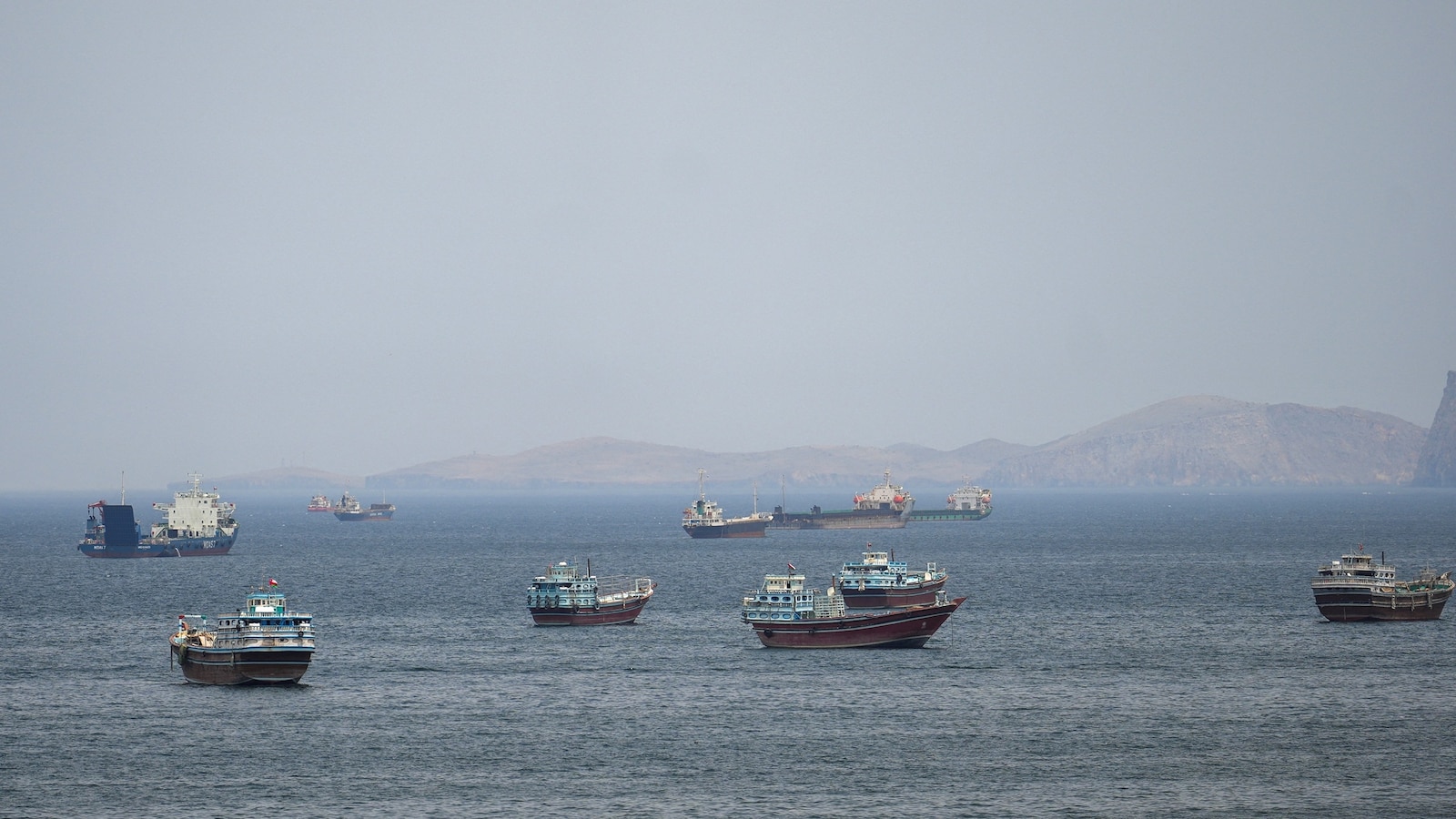
Senator Graham's statements indicate a pivot toward a more aggressive containment strategy. The existing blockade, primarily focused on key transit points in the Persian Gulf and the Strait of Hormuz, is intended to prevent the smuggling of Iranian-made drones and missiles to proxy groups. By expanding the blockade globally, the U.S. seeks to monitor and intercept Iranian vessels far beyond their immediate coastal waters.
The expansion would likely involve increased coordination with international allies to enforce shipping restrictions. Military officials emphasize that the goal is to degrade Iran's capacity to destabilize regional security. The blockade targets specifically those vessels suspected of carrying illicit cargo or violating sanction regimes.
Graham's announcement comes amid reports of increased naval presence in the area, including the deployment of the USS Tripoli and various Marine expeditionary units. These forces provide the necessary kinetic and surveillance capabilities to enforce such a wide-reaching maritime perimeter.
Critics of the move warn that a global blockade could be perceived as an act of aggression, potentially leading to direct military confrontations. However, the administration maintains that the measures are defensive and necessary to prevent the flow of advanced weaponry to militant organizations throughout the Middle East and beyond.
The legal framework for such an expansion remains a point of debate among international law experts, though the U.S. typically cites national security and the enforcement of UN-backed sanctions as the primary justification for these operations.
Context
The relationship between the United States and Iran has reached a critical inflection point over the last several years. Following the U.S. withdrawal from the Joint Comprehensive Plan of Action (JCPOA) in 2018, the 'maximum pressure' campaign became the cornerstone of U.S. policy, utilizing economic sanctions and military deterrence to force Iran to limit its nuclear program.
Historically, the Strait of Hormuz has been a flashpoint for conflict. As one of the world's most important oil chokepoints, any disruption here has immediate ripple effects on global energy markets. Iran has frequently threatened to close the strait in response to U.S. pressure, leading to a cycle of naval build-ups and skirmishes.
The current geopolitical environment is characterized by Iran's increasing use of proxy forces, including Hezbollah in Lebanon and Houthi rebels in Yemen. The proliferation of Iranian-designed weaponry in these conflict zones has prompted the U.S. to shift from passive monitoring to active interception of shipping lanes.
What's Next
The international community is now watching for a formal executive order or policy directive that codifies the parameters of the expanded blockade. Diplomatic channels are expected to be strained as Iran likely responds with increased naval activity or asymmetric threats to shipping in the Gulf.
Financial markets may experience volatility in the short term as oil traders price in the risk of escalation. The U.S. State Department will likely seek formal endorsements from regional partners to create a multilateral coalition, thereby distributing the burden of enforcement and legitimizing the operation internationally.
In the coming weeks, the focus will remain on whether Tehran attempts to break the blockade through direct engagement or if the pressure leads to a renewed push for diplomatic negotiations to avert a full-scale naval war.
Never Miss a Signal
Get the latest breaking news and daily briefings from Zero Signal News directly to your inbox.