
Sports Betting Apps Deploy Aggressive Tactics to Retain Users, Drawing Addiction Concerns
Zero Signal Staff
Published April 10, 2026 at 6:13 AM ET · 1 day ago
STAT News
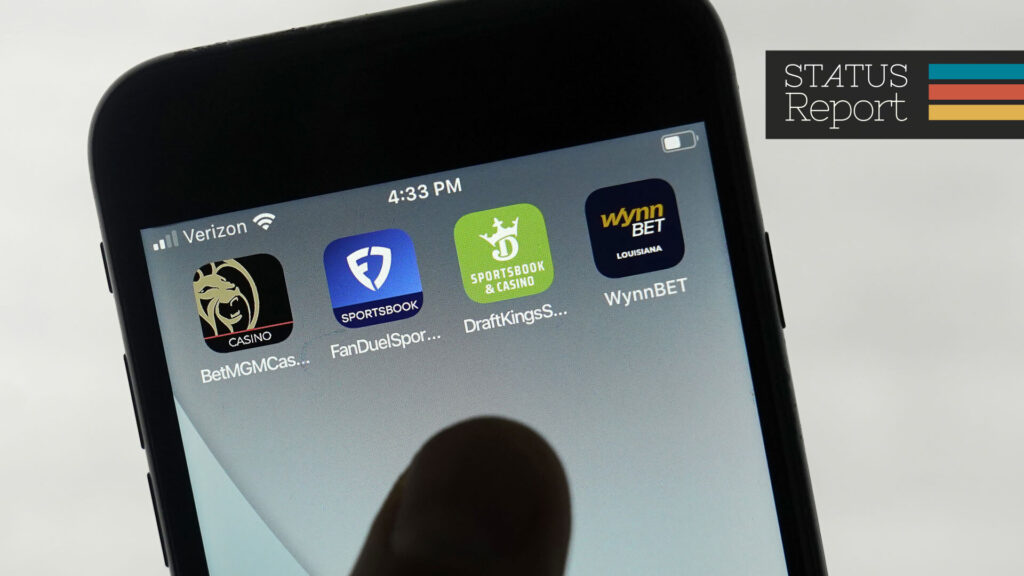
Sports betting companies are employing aggressive promotional tactics to attract and retain users on mobile apps, according to reporting from STAT News.
Sports betting companies are employing aggressive promotional tactics to attract and retain users on mobile apps, according to reporting from STAT News. The practices have drawn scrutiny as gambling disorder was classified as an addiction in the Diagnostic and Statistical Manual of Mental Disorders in 2013, and gambling carries the highest suicide rate among all addictive disorders.
The expansion of legal sports betting accelerated after the 2018 Supreme Court decision that lifted federal restrictions on professional sports wagers. That ruling transformed sports gambling from a Las Vegas-centered activity into a 24/7 operation accessible via smartphone to anyone with a bank account. The shift created a market for mobile betting apps that now deploy promotional strategies designed to keep users engaged and betting continuously.
STAT News host Alex Hogan documented how these apps use marketing tactics that he describes as "too-good-to-be-true promotions" to hook new users. Hogan, a senior multimedia producer, tested these apps himself after they became available in his home state of Massachusetts, finding that he fell for several of the promotional offers despite understanding the industry's mechanics.
The timing of the betting expansion is significant: just five years before the 2018 Supreme Court decision, gambling was formally reclassified in the DSM-5 alongside substance use disorders like alcohol addiction. Gambling disorder is now recognized as a behavioral addiction with measurable health consequences, including elevated suicide risk among those diagnosed.
Context
Sports betting regulation in the United States has undergone dramatic shifts in recent years. Before 2018, Nevada was one of the few states where legal sports wagering was permitted, concentrating the activity in physical locations. The Supreme Court's decision in Murphy v. National Collegiate Athletic Association opened the door for individual states to legalize sports betting, leading to rapid adoption across the country.
The classification of gambling as an addiction disorder reflects decades of research into behavioral addictions. The DSM-5's 2013 inclusion of gambling disorder in the "Substance-Related and Addictive Disorders" category represented a formal recognition that compulsive gambling produces neurological effects similar to substance addiction. Research has documented that gambling disorder carries the highest suicide rate among all addictive conditions, exceeding rates for alcohol and drug use disorders.
What's Next
The tension between expanded legal sports betting markets and public health concerns about addiction will likely intensify as more states continue to legalize the activity. Regulators and public health officials face pressure to establish guardrails on promotional tactics while the betting industry expands its user base. The Massachusetts market, where Hogan tested these apps, represents one test case for how state-level oversight responds to aggressive industry marketing strategies targeting new users.
Never Miss a Signal
Get the latest breaking news and daily briefings from Zero Signal News directly to your inbox.