
Suspect in Colombian Presidential Hopeful's Slaying Arrested in Argentina
Zero Signal Staff
Published April 22, 2026 at 4:02 PM ET · 157 days ago
Al Jazeera
Authorities in Argentina have arrested a suspect linked to the assassination of a Colombian presidential hopeful. The operation to apprehend the individual marks a significant breakthrough in a cross-border investigation.
Authorities in Argentina have arrested a suspect linked to the assassination of a Colombian presidential hopeful. The operation to apprehend the individual marks a significant breakthrough in a cross-border investigation. Colombian and Argentine officials coordinated the capture to ensure the suspect's extradition.
The Details
The arrest took place following an intensive manhunt that spanned multiple jurisdictions. Argentine federal police intercepted the suspect, whose identity is being withheld pending formal charges, based on intelligence shared by Colombian security services. The suspect is believed to have fled the country shortly after the slaying, which sent shockwaves through Colombia's political landscape.
Preliminary reports indicate that the suspect may have been part of a larger conspiracy to destabilize the upcoming electoral process. Investigators are currently analyzing communication logs and financial records to determine if the assassination was politically motivated or the result of a localized criminal vendetta. The Colombian government has praised the speed and efficiency of the Argentine authorities in executing the arrest.
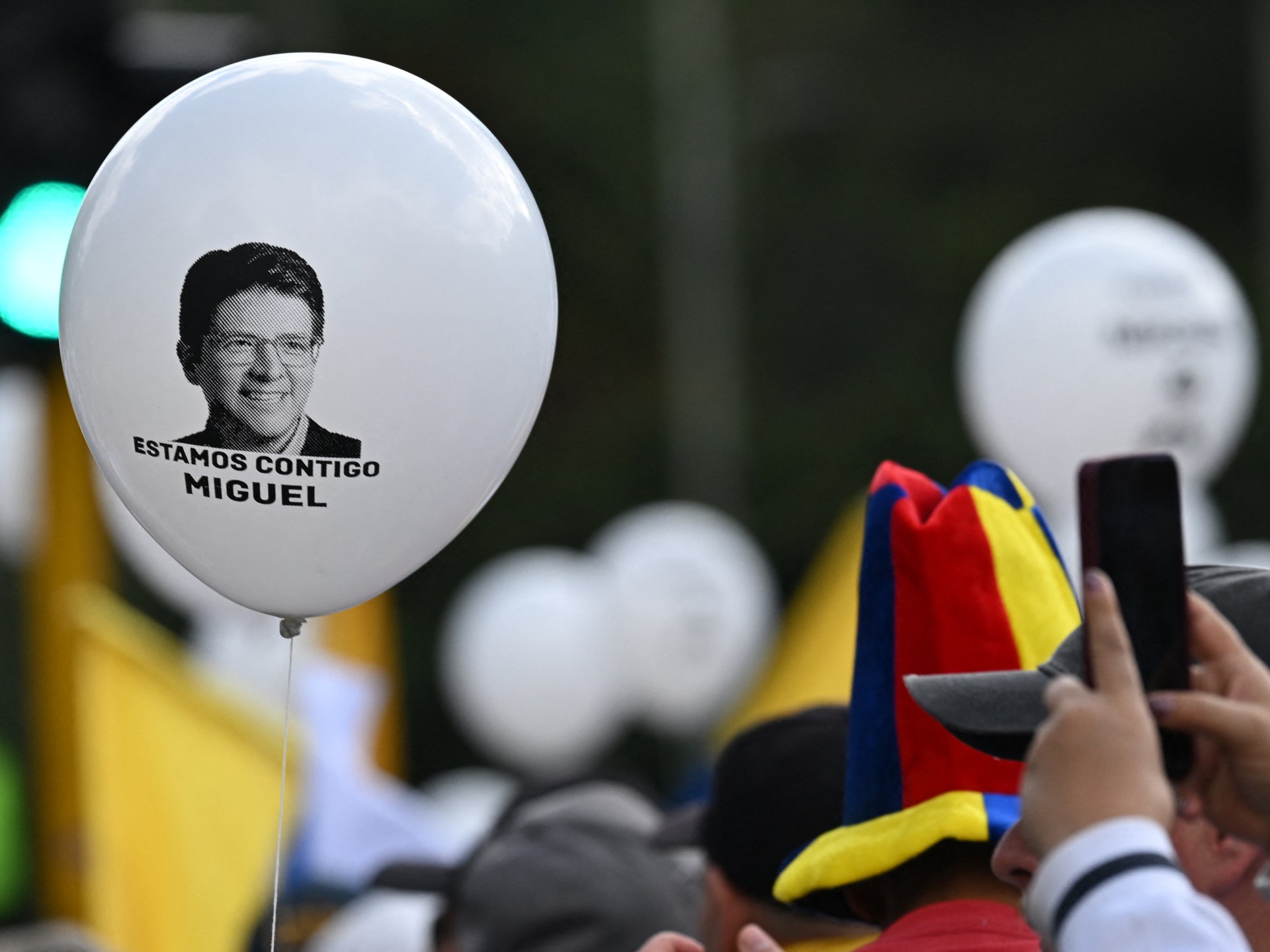
Detalles of the slaying describe a targeted attack that left the presidential hopeful dead, sparking widespread protests and calls for increased security for political candidates. The victim was a prominent figure known for their platform of social reform and anti-corruption, making their death a focal point of national grief and anger.
Argentine prosecutors are now preparing the legal groundwork for the suspect's extradition to Colombia. This process is expected to involve high-level diplomatic coordination to avoid legal loopholes that could delay the transfer. The suspect remains in high-security custody, under constant surveillance to prevent any escape attempts.
Meanwhile, in Colombia, the government has vowed to bring the perpetrators to justice and has promised a comprehensive review of the security protocols surrounding political figures during the campaign season. The assassination has raised urgent questions about the safety of democratic participants in the region.
Context
Colombia has a long and complex history of political violence, with various factions and guerrilla groups targeting politicians and activists for decades. While the country has seen periods of relative stability, the targeting of presidential candidates remains a persistent threat to its democratic stability. Recent years have seen an increase in targeted killings of social leaders and political figures, often linked to land disputes or drug trafficking interests.
The victim in this case was a rising star in Colombian politics, advocating for systemic changes that threatened established power structures. Such platforms often make candidates targets for those who benefit from the status quo. The international community has frequently expressed concern over the safety of political actors in Colombia, urging the government to implement more robust protection measures.
Argentina's cooperation in this case reflects a broader regional effort to combat transnational crime and political instability. The extradition treaty between Colombia and Argentina provides a legal mechanism for the transfer of suspects, though such processes are often fraught with legal challenges regarding human rights and fair trial guarantees.
What's Next
The immediate focus will be on the extradition hearings in Argentina, where the suspect's legal team will likely challenge the move. Observers expect a rigorous legal battle over the conditions of the suspect's detention and the validity of the evidence provided by Colombian authorities.
In Colombia, the upcoming elections are now cast under a shadow of security concerns. The government is expected to deploy additional military and police resources to protect remaining candidates, which may lead to tensions between the state and the citizenry regarding the militarization of the campaign.
Legal experts suggest that if the suspect is successfully extradited, the trial could unveil deeper connections between organized crime and political interference in Colombia. This could lead to further arrests and a broader crackdown on those attempting to influence the democratic process through violence.
Never Miss a Signal
Get the latest breaking news and daily briefings from Zero Signal News directly to your inbox.