
The Artemis II mission has ended. Where does NASA go from here?
Zero Signal Staff
Published April 11, 2026 at 6:12 AM ET · 3 hours ago
Ars Technica
A spacecraft carrying four astronauts splashed down in the Pacific Ocean off California on Friday evening after traveling 700,000 miles around the Moon.
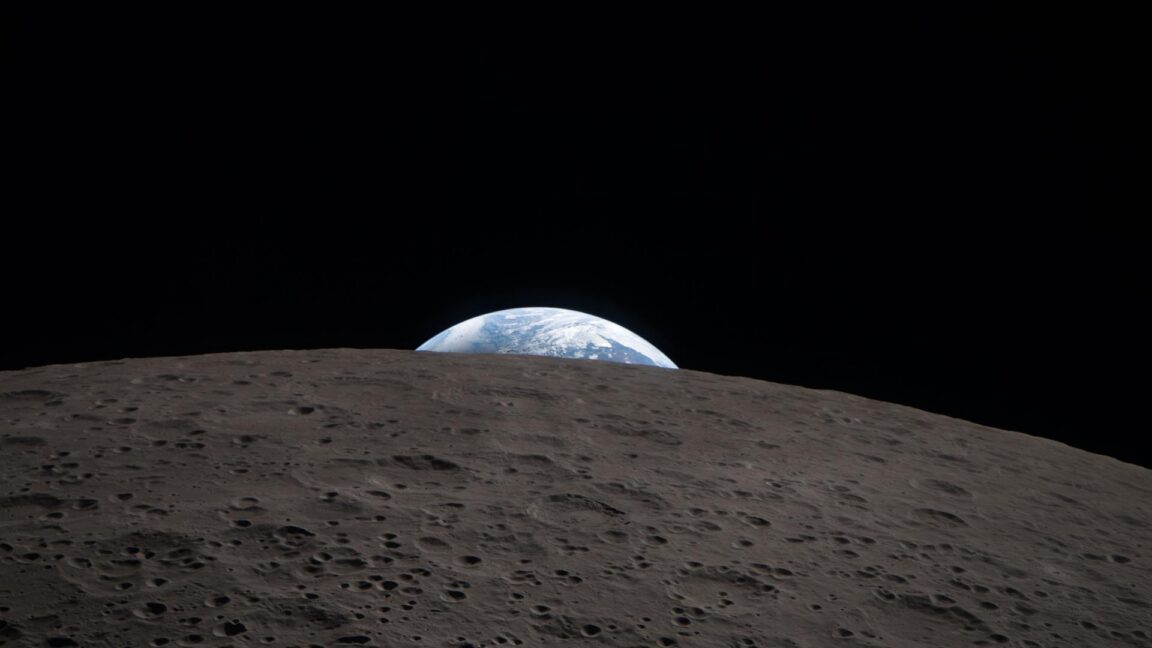
A spacecraft carrying four astronauts splashed down in the Pacific Ocean off California on Friday evening after traveling 700,000 miles around the Moon. The successful conclusion of the Artemis II mission marked humanity's return to deep space after more than half a century, but it also raises a critical question about what comes next for NASA's lunar program.
NASA recently revised its mission plans for Artemis III and IV to include a stepping stone mission before attempting to land humans on the Moon. Much work remains to make those flights happen. Artemis II, which concluded Friday, represented the lowest hanging fruit of the Artemis Program. "The work ahead is greater than the work behind us," said Amit Kshatriya, NASA's associate administrator, after the landing. What comes next involves more complex operations, requiring multiple vehicles and ultimately reaching another planetary body.
Multiple NASA officials praised the Space Launch System rocket's performance during the Artemis II launch on April 1, saying it achieved greater than 99 percent accuracy in reaching the target orbit. The core stage for Artemis III is expected to leave the factory in Michoud, Louisiana, later this month for delivery to Kennedy Space Center in Florida. The Mobile Launch Tower sustained moderate damage and will soon return to the Vehicle Assembly Building for refurbishment and stacking operations for the next mission.
Production of the Artemis III Orion spacecraft was tracking toward a January 2028 readiness date before NASA modified plans to fly an Earth-orbit rendezvous with a lunar lander, moving the lunar landing to Artemis IV with a target of 2028. NASA and Lockheed Martin must increase the Orion production rate accordingly. A significant amount of work will be needed on helium valves inside Orion's Service Module propulsion system. Although a helium leak observed during Artemis II is not critical for an Earth orbit mission, it must be resolved before Artemis IV when Orion operates in lunar orbit.
Context
The Artemis Program aims to return humans to the Moon and establish a sustainable presence there. Artemis II successfully tested the Orion spacecraft and Space Launch System rocket with a crewed mission. The program involves multiple contractors, including SpaceX, which is developing lunar landers. NASA's timeline has shifted to prioritize an Earth-orbit rendezvous approach before attempting a direct lunar landing.
What's Next
Artemis III is now targeted for mid-2027 as an Earth-orbit rendezvous mission with a lunar lander. Artemis IV, scheduled for 2028, will attempt the actual lunar landing. NASA must resolve technical issues with Orion's heat shield and helium valve systems while accelerating production timelines to meet the revised schedule.
Never Miss a Signal
Get the latest breaking news and daily briefings from Zero Signal News directly to your inbox.