
Thousands of Displaced Lebanese Return to Ruined Homes as U.S.-Brokered Ceasefire Takes Hold
Zero Signal Staff
Published April 17, 2026 at 11:38 PM ET · 182 days ago
AP News / Reuters
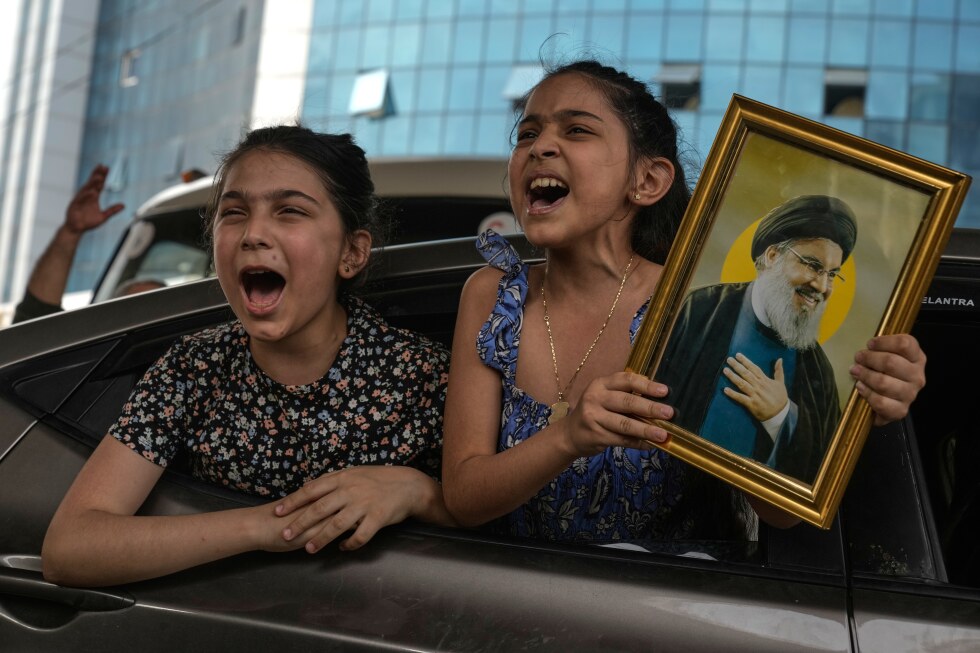
Thousands of displaced Lebanese civilians began returning to their homes and villages in southern Lebanon and Beirut's southern suburbs on April 17, 2026, following the start of a 10-day U.S.-brokered ceasefire with Israel.
Thousands of displaced Lebanese civilians began returning to their homes and villages in southern Lebanon and Beirut's southern suburbs on April 17, 2026, following the start of a 10-day U.S.-brokered ceasefire with Israel. Despite warnings from both the Lebanese Army and the Israeli Defense Forces, residents poured south to assess the damage to their properties. Many returnees discovered their neighborhoods had been reduced to rubble, leaving them facing an uninhabitable landscape.
The Details
The movement of civilians was marked by massive traffic congestion, particularly near the Qasmiyeh bridge over the Litani River. This key crossing, which links Tyre to the north, had been destroyed by an Israeli airstrike on April 16, just one day before the truce. A makeshift crossing was hastily erected to allow vehicles piled high with mattresses and suitcases to pass through a single reopened lane.
In the village of Jibsheet and other southern towns, residents returned to find flattened apartment blocks and debris-strewn streets. The scale of destruction was equally severe in Dahiyeh, Beirut's southern suburbs, where entire buildings were leveled. A local government official in Haret Hreik reported that Israel had struck the neighborhood 62 times over the previous six weeks, noting that clearing the resulting rubble would require specialized equipment.
While some expressed relief at returning, others described the conditions as unbearable. In Nabatieh, residents reported that the level of destruction rendered the city unliveable, forcing some to begin leaving again shortly after their arrival. In Dahiyeh, some residents found their homes intact but claimed the remaining environment and smells made it impossible to stay.
Heightening the tension, the ceasefire has already faced challenges. The Lebanese health ministry reported that an Israeli strike killed at least one person in southern Lebanon late on April 17. Additionally, the Lebanese army reported intermittent Israeli shelling of several southern villages, though the Israeli military stated it was investigating the reports.
From the Israeli side, Defense Minister Israel Katz announced that Israeli forces would maintain a 'security zone' extending 10 kilometers into Lebanese territory. Katz stated that areas south of the Litani River have not yet been fully cleared of Hezbollah militants and weaponry, and confirmed that Israeli forces would continue the demolition of homes allegedly used by the group.
Context
The current conflict began on March 2, 2026, when Hezbollah opened fire at Israel in support of Iran, escalating a cycle of violence that followed a previous war ended in November 2024. Lebanese authorities estimate that nearly 2,300 people have been killed and approximately 1.2 million displaced since March. Israel reports that 13 soldiers and two civilians were killed in the hostilities.
The geopolitical landscape remains volatile, with Hezbollah expressing a 'cautious commitment' to the truce. Hezbollah lawmakers attributed the ceasefire primarily to Iranian pressure and emphasized that the group would seek to limit Israel's freedom of movement within Lebanon.
Domestically, the Lebanese government has spent the last year seeking the peaceful disarmament of Hezbollah, having formally banned the group's military activities on March 2. However, officials acknowledge that forcing disarmament could risk a new civil war in a nation still bearing the scars of the 1975-1990 conflict.
What's Next
The 10-day ceasefire serves as a window for negotiating a long-term peace agreement. U.S. President Donald Trump has stated that Israel is now prohibited from further bombing in Lebanon and has invited Israeli Prime Minister Benjamin Netanyahu and Lebanese President Joseph Aoun to the White House for substantive talks.
President Aoun described the upcoming negotiations as 'sensitive and pivotal,' focusing on the permanent withdrawal of Israeli forces and the release of prisoners. President Trump also claimed that Lebanon has agreed to 'take care of Hezbollah' as part of the broader security arrangements.
The stability of the region over the next ten days will depend on whether both sides can adhere to the truce, as many displaced civilians remain hesitant to fully commit to a return until greater safety is guaranteed.
Never Miss a Signal
Get the latest breaking news and daily briefings from Zero Signal News directly to your inbox.