
Trump Announces 10-Day Israel-Lebanon Ceasefire Following Rare Diplomatic Talks
Zero Signal Staff
Published April 16, 2026 at 2:38 PM ET · 183 days ago
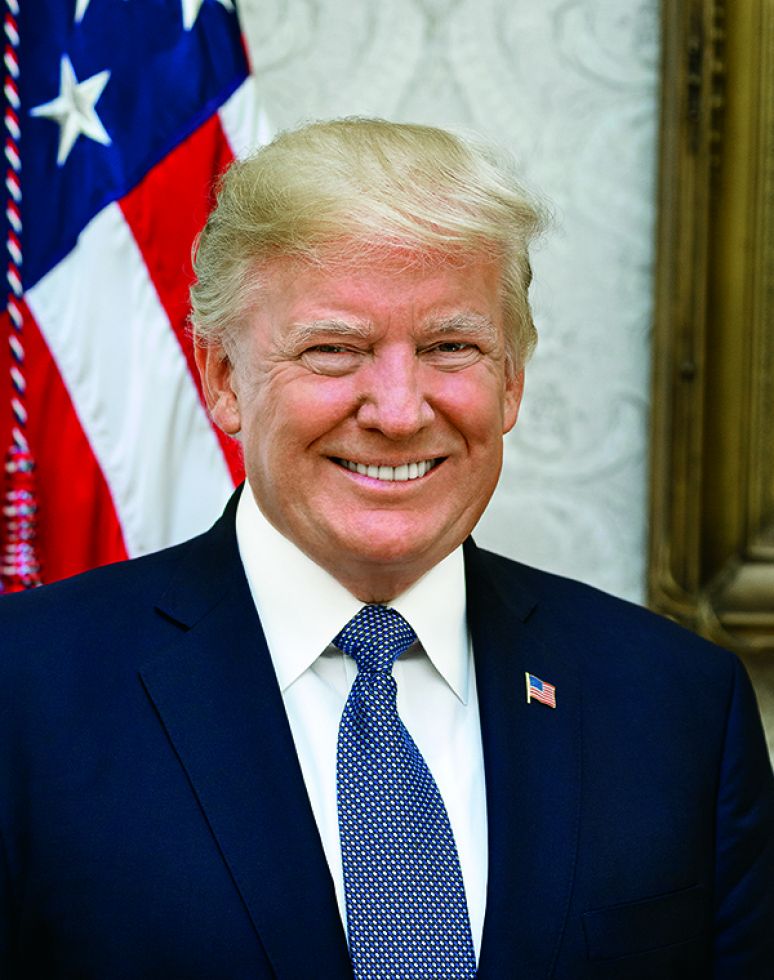
AP News / LA Times
President Trump announced on April 16 that Israel and Lebanon have agreed to a 10-day ceasefire beginning at 5 p.m. ET.
President Trump announced on April 16 that Israel and Lebanon have agreed to a 10-day ceasefire beginning at 5 p.m. ET. The agreement follows the first direct diplomatic talks between the two countries in 34 years, held in Washington on April 14 with Secretary of State Marco Rubio. Trump said he would invite Israeli Prime Minister Benjamin Netanyahu and Lebanese President Joseph Aoun to the White House for what he called the most significant talks between the nations since 1983.
The Details
Trump announced the ceasefire through Truth Social, stating he had conducted 'excellent conversations' with both leaders. The announcement comes after months of escalating conflict between Israel and Hezbollah in Lebanon, which intensified following the U.S.-Israel war with Iran that began February 28. Israeli forces have established a security zone in southern Lebanon extending at least five to six miles into the country, with recent fire concentrated around the cities of Tyre, Nabatieh, and Bint Jbeil.
The path to the ceasefire was not smooth. During negotiations on Thursday, Lebanese President Aoun initially refused to speak directly with Netanyahu during a call facilitated by Secretary of State Rubio. A U.S. government official stated that Washington 'understands Lebanon's position.' Despite this friction, both sides ultimately accepted the truce framework.
Lebanon has made clear that the ceasefire is a prerequisite for further talks and has committed to disarming Hezbollah as part of broader negotiations. Israel has framed the discussions as peace negotiations centered on Hezbollah disarmament. Lebanese Prime Minister Nawaf Salam welcomed Trump's announcement in a statement, while a leading Hezbollah official said the group would abide by the ceasefire if Israeli attacks cease.
Trump directed Vice President JD Vance, Secretary of State Marco Rubio, and Joint Chiefs Chairman Dan Caine to coordinate implementation and work toward a lasting peace agreement. The ceasefire announcement reflects intensive diplomatic efforts over the past two days and represents a potential turning point in months of conflict.
The timing is significant: the ceasefire begins as a separate two-week U.S.-Iran truce approaches its midpoint, with mediators working to extend it beyond its April 22 expiration date. The parallel truces suggest a broader diplomatic strategy to reduce regional tensions.
Context
Israel and Lebanon have technically existed in a state of war since Israel's 1948 founding. They signed a peace agreement in 1983 requiring Lebanese recognition of Israel and Israeli withdrawal from Lebanese territory, but the accord collapsed during Lebanon's civil war and was rescinded within a year. The two nations have not held direct talks at the leadership level since that failed agreement, making Thursday's Washington meeting historic.
Hezbollah, the Iranian-backed militant group based in Lebanon, has long been a flashpoint in Israeli-Lebanese relations. A ceasefire between Israel and Hezbollah reached in late 2024 began to unravel in March 2026 when Hezbollah fired into Israel. This ignited a broader conflict when Iran responded to earlier Israeli strikes by launching missiles into Israeli territory, escalating into a full-scale U.S.-Israel war against Iran that commenced February 28.
The broader conflict has been devastating. The war with Iran has killed at least 3,000 Iranians, more than 2,100 Lebanese, 23 Israelis, and more than a dozen people in Gulf Arab states. Thirteen U.S. service members have also been killed. The human cost has intensified international pressure for de-escalation. On April 15, the U.S. Senate rejected an effort to halt arms sales to Israel, though a record number of Democratic senators voted in favor of the measure, signaling growing domestic concern over the conflict's scope.
What's Next
The 10-day ceasefire will be closely monitored by international observers and diplomatic teams. If both sides honor the terms, negotiations toward a permanent settlement are expected to follow, likely involving talks at the White House as Trump indicated. The success of this initial truce will largely determine whether the Israeli-Lebanese conflict can transition from military confrontation to political resolution.
Key questions remain unresolved: whether the ceasefire can hold without direct leader-to-leader communication, given the tensions evident in this week's calls; how Hezbollah will be incorporated into any permanent framework; and whether Israel will fully withdraw its security zone from southern Lebanon. Trump's administration has positioned itself as the primary mediator, a role that could shape regional dynamics significantly if the talks progress.
The ceasefire also intersects with U.S. diplomatic efforts regarding Iran. If the Israel-Lebanon truce holds and the U.S.-Iran ceasefire extends beyond April 22, the confluence could signal a shift toward broader regional stabilization. Conversely, any breakdown in either truce could rapidly destabilize the region and derail the diplomatic gains achieved this week.
Never Miss a Signal
Get the latest breaking news and daily briefings from Zero Signal News directly to your inbox.