
Trump keeps military option open against Iran as naval blockade squeezes oil exports and regional tensions spread
Zero Signal Staff
Published May 1, 2026 at 2:46 AM ET · 149 days ago
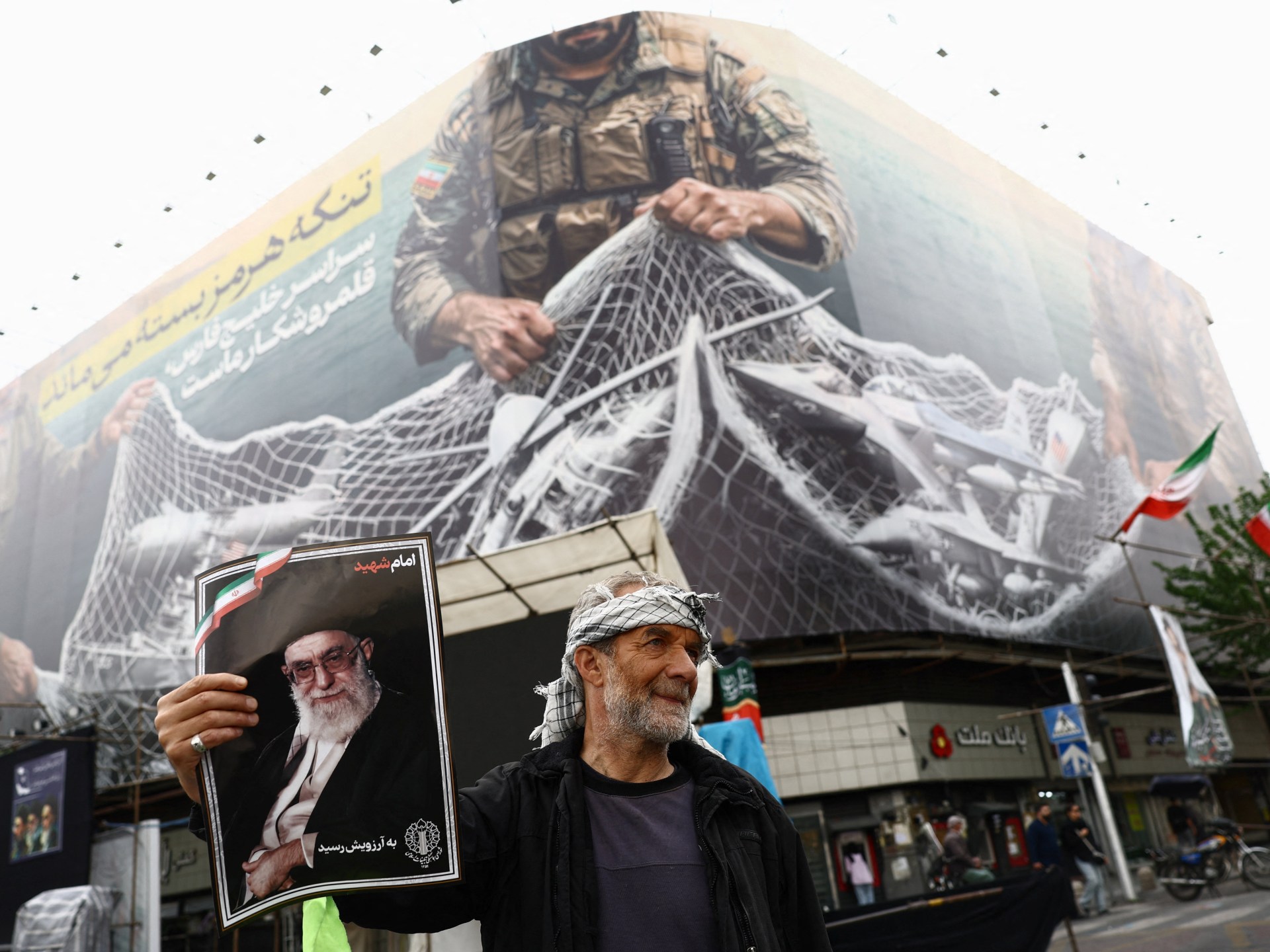
Al Jazeera; Reuters; House of Commons Library; CNN
Sixty-three days into the US-Israeli military campaign against Iran, President Donald Trump has not ruled out restarting direct hostilities, even as a conditional ceasefire holds and Pakistan-mediated talks continue over the naval blockade strangling
Sixty-three days into the US-Israeli military campaign against Iran, President Donald Trump has not ruled out restarting direct hostilities, even as a conditional ceasefire holds and Pakistan-mediated talks continue over the naval blockade strangling Iranian ports.
The Details
Reuters reported on April 30 that senior US military leaders were set to brief Trump on potential military options against Iran — a signal that Washington has not closed the door on renewed strikes. Al Jazeera summarized Trump's stance as saying Washington might need to restart the war.
Iranian President Masoud Pezeshkian pushed back sharply, condemning the US naval siege of Iranian ports as an extension of military operations that is "intolerable." His remarks came as Reuters reported the blockade has already shrunk Tehran's oil exports, leaving a growing stockpile of crude stranded on tankers as Iranian storage sites run out of capacity.
The US counter-blockade, which targets ships seeking to enter or exit Iranian ports, was launched on April 13 — five days after a conditional ceasefire was declared on April 8. According to a UK House of Commons Library research briefing, the Strait of Hormuz has become a central flashpoint in the Pakistan-mediated talks connected to that ceasefire arrangement.
Al Jazeera also reported that Israeli Defense Minister Israel Katz warned Israel may need to act again against Iran, adding another escalatory voice to a diplomatic environment that remains fragile.
The blockade's economic bite appears significant. Reuters, citing analysts, reported that Tehran entered the standoff with some crude stockpiled at sea, a cushion that appears to be diminishing as tankers have nowhere left to offload. Al Jazeera's reporting echoed analysts who believed Iran had prepared for a naval siege but that the pressure is mounting nonetheless.
Context
Israel and the United States began strikes against Iran on February 28, 2026, according to the House of Commons Library briefing. A conditional ceasefire followed on April 8, but the conflict has not ended cleanly. The US counter-blockade, launched April 13, has kept maximum economic pressure on Iran while formal hostilities remain paused.
Pakistan is playing a mediating role in talks tied to both the ceasefire terms and the blockade dispute, according to the House of Commons briefing. The outcome of those talks has not been publicly resolved.
Regional spillover is complicating the picture beyond Iran and Israel. The United Arab Emirates on April 30 banned its citizens from travelling to Iran, Lebanon, and Iraq, and urged any Emiratis already in those countries to leave immediately, Reuters reported, citing regional developments as the reason for the advisory.
Violence in southern Lebanon continues despite the broader ceasefire framework. CNN reported at least 10 people were killed in southern Lebanon on April 28 into April 29 in strikes. Al Jazeera later reported that Lebanon's health ministry said Israeli strikes killed at least 15 people in the south — figures that reflect an evolving casualty count rather than a settled total.
What's Next
The Pentagon briefing to Trump on military options, reported by Reuters, is the most immediate development to watch. Any presidential decision to resume strikes would effectively collapse the April 8 ceasefire framework. Separately, the Pakistan-mediated talks over the Strait of Hormuz blockade remain ongoing, with no publicly announced timeline or outcome. Iran's oil export situation is likely to deteriorate further as stranded tanker stockpiles grow, according to Reuters reporting. The UAE travel ban and continued Lebanon casualties suggest neighboring governments are preparing for further escalation rather than a swift resolution.
Never Miss a Signal
Get the latest breaking news and daily briefings from Zero Signal News directly to your inbox.