
Trump Pauses Hormuz Escort Mission; Pakistan Praises Move, Iran Withholds Public Response
Zero Signal Staff
Published May 6, 2026 at 7:24 AM ET · 159 days ago
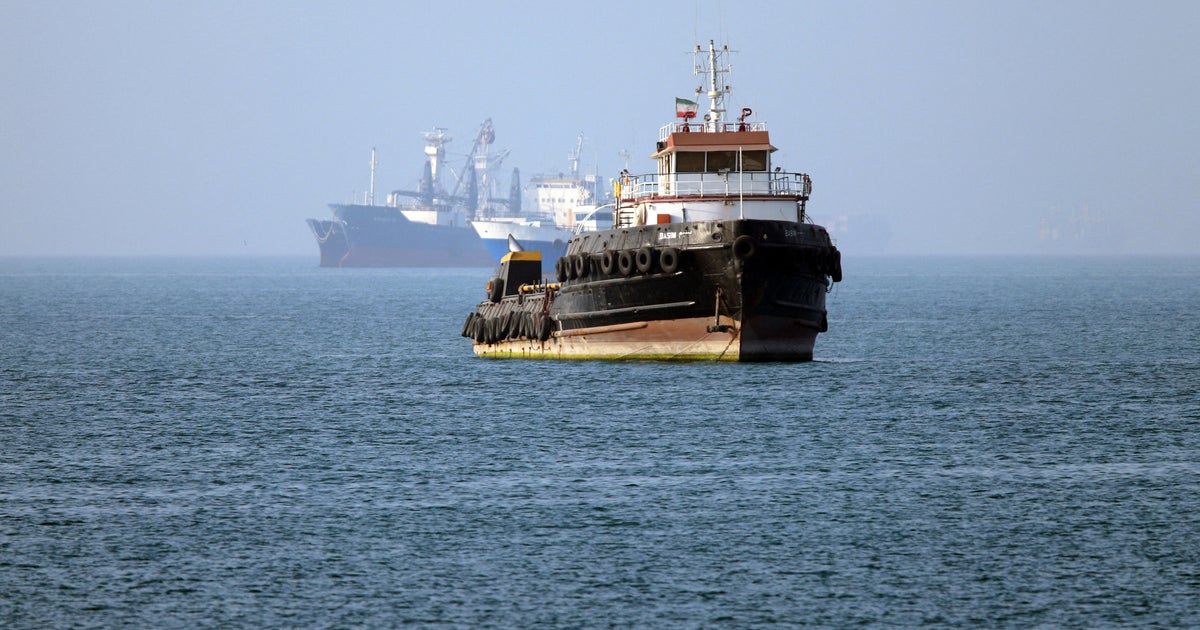
CBS News / Al Jazeera / AP
President Donald Trump announced on May 6 that Project Freedom — the United States’ escort mission in the Strait of Hormuz — would be paused temporarily while a maritime blockade remained in effect, citing what he described as “Great Progress” toward
President Donald Trump announced on May 6 that Project Freedom — the United States’ escort mission in the Strait of Hormuz — would be paused temporarily while a maritime blockade remained in effect, citing what he described as “Great Progress” toward a “Complete and Final Agreement” with Iran. Pakistan Prime Minister Shehbaz Sharif publicly welcomed the decision and expressed hope that it would advance regional peace. As of CBS News’s live update on May 6, Iran had not yet publicly responded, even though Iranian representatives had been engaged in Pakistan-mediated negotiations with the United States.
The Details
In a post on Truth Social quoted by CBS News, Trump said the halt came “Based on the request of Pakistan and other Countries.” He wrote that Project Freedom “will be paused for a short period of time,” while the ongoing blockade of the Strait of Hormuz would remain in place. He attributed the decision to what he called “Great Progress” toward a “Complete and Final Agreement with Representatives of Iran.”
Pakistan Prime Minister Shehbaz Sharif responded immediately. In a statement cited by CBS, Sharif said, “We are very hopeful that the current momentum will lead to a lasting agreement that secures durable peace and stability for the region and beyond.” He added that Pakistan remained committed to “dialogue and diplomacy,” presenting the pause as a step toward easing tensions rather than an endpoint. Pakistan’s mediation role in the talks predates the pause; Politico reported on April 19 that Trump had said U.S.-Iran talks would continue in Pakistan, reinforcing Islamabad’s central facilitation role.
Despite the positive reaction from Islamabad, Iran’s public stance remained muted. As of CBS’s May 6 live update, Tehran had not issued a public response to Trump’s pause announcement, though Iranian negotiators had already been involved in talks brokered by Pakistan.
That silence is notable because Tehran had recently transmitted a formal proposal to Washington. On May 3, Al Jazeera reported that Iran had delivered a new 14-point peace proposal to the United States through Pakistan in late April or early May, using the same mediator now praised by Trump. According to Al Jazeera’s summary of Iranian and regional media accounts, the proposal seeks a permanent end to the war, sanctions relief, guarantees against future military attacks, and a new mechanism for managing traffic through the Strait of Hormuz. The same report stated that Trump was reviewing the proposal skeptically at the time.
Iranian Foreign Minister Abbas Araghchi has maintained a firm position. In remarks carried by the Associated Press and reported by CBS, Araghchi said, “We will do our best to protect our legitimate rights and interests in the negotiations,” and added that Tehran would accept only what he described as a “fair and comprehensive agreement.”
Context
The pause follows a brief period during which the United States conducted an escort mission in the Strait of Hormuz, one of the world’s most important energy chokepoints, amid continuing tension over maritime traffic and broader regional security.
Pakistan’s role as facilitator is not new. Politico reported on April 19 that Trump had said U.S.-Iran talks would continue in Pakistan, reinforcing Islamabad’s position as the central venue and intermediary. CNN also reported on Pakistan’s intermediary function in late April, describing Islamabad as the venue and intermediary for ongoing U.S.-Iran talks.
The contents of Iran’s 14-point proposal, as summarized by Al Jazeera, reflect major substantive demands that remain unresolved even amid optimistic messaging from Washington and Islamabad. The inclusion of sanctions relief, security guarantees, and a formal mechanism for Hormuz were central to Iran’s May 3 proposal through the Pakistan channel.
What's Next
With Iran having not yet responded publicly to the pause as of CBS’s May 6 reporting, the timeline for a concrete diplomatic breakthrough remains unclear. Tehran’s insistence on a “fair and comprehensive agreement,” together with its detailed list of demands including sanctions relief and guarantees against future attacks, indicates that Iranian officials are approaching the talks with conditions that extend beyond a temporary halt to the escort mission.
Pakistan has indicated it will continue its mediation role. Sharif’s statement reiterates Islamabad’s commitment to dialogue and diplomacy even as the pause is in effect. The lack of a direct public Iranian reaction as of the latest CBS update leaves the immediate next step in the U.S.-Pakistan-Iran channel undefined.
Never Miss a Signal
Get the latest breaking news and daily briefings from Zero Signal News directly to your inbox.